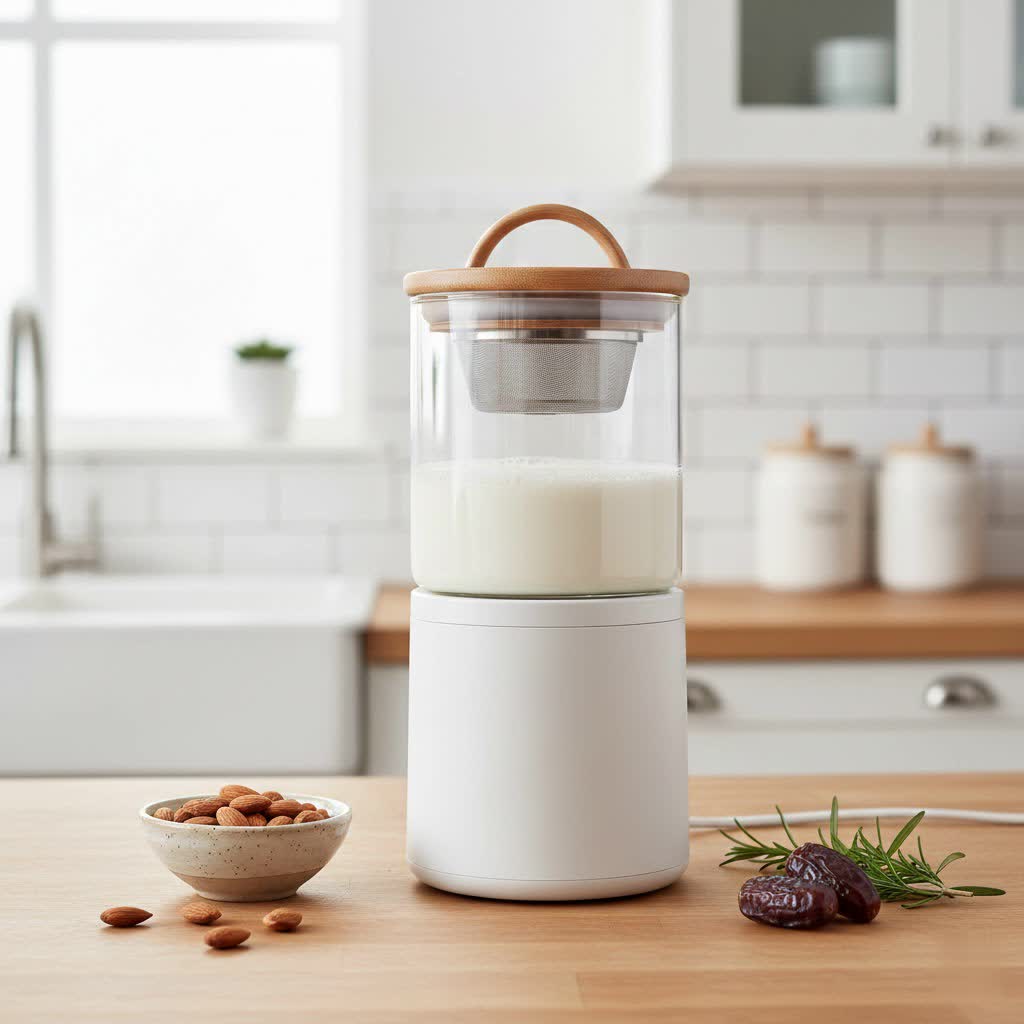
The rise of plant-based eating has put nut milk in the spotlight, becoming a daily staple for many. But with countless options lining supermarket shelves, a common question emerges: does homemade truly taste better than its carton counterpart? For anyone who has experienced the rich, creamy goodness of a freshly blended batch, the answer is a resounding yes. This isn’t just a matter of preference; it’s a difference rooted in ingredients, freshness, and the very essence of how these milks are produced.
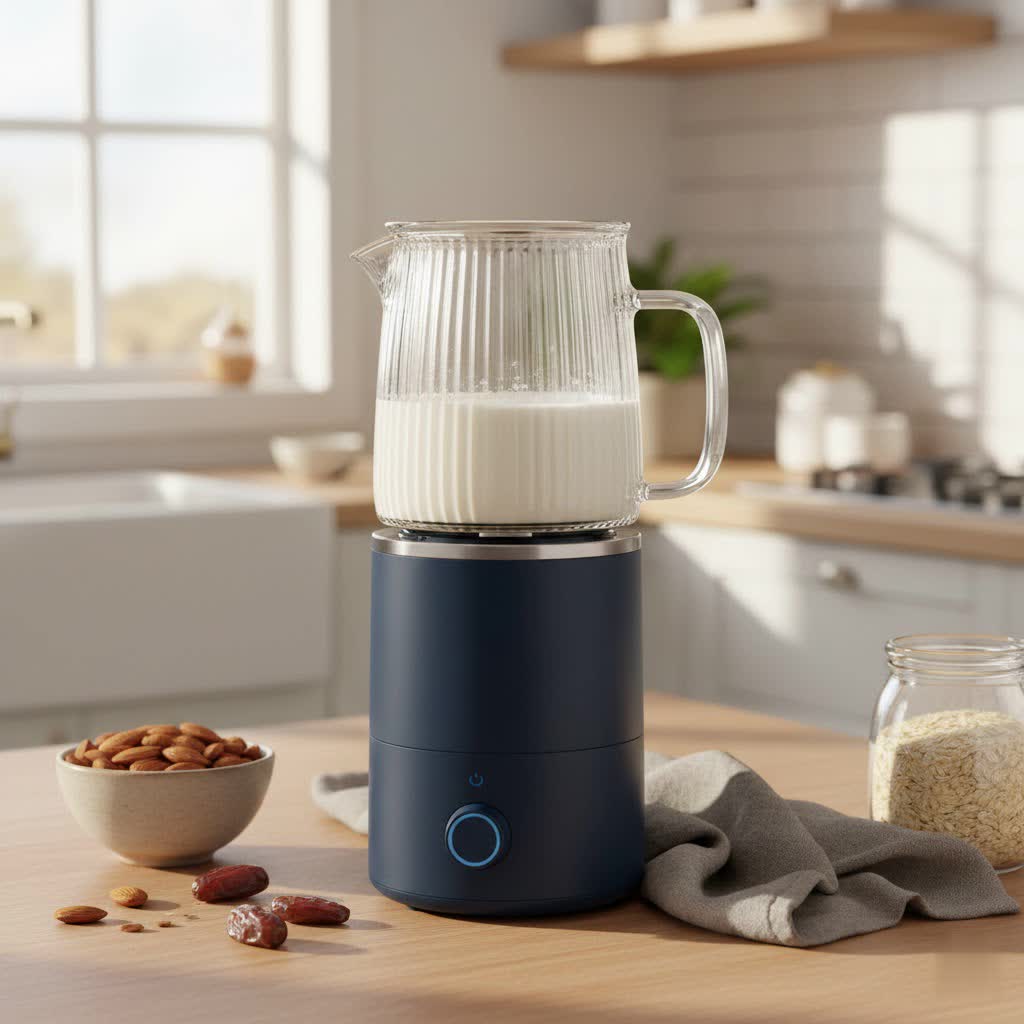
The Irresistible Benefits of Freshly Made Nut Milk
Plant-based milks have soared in popularity, offering a dairy-free alternative that caters to various dietary needs and preferences. Whether driven by lactose intolerance, a vegan lifestyle, or simply a desire for diverse flavors, nut milk has become a go-to. While traditional dairy milk offers calcium and protein, nut milks provide a different array of nutrients, often lower in saturated fat and cholesterol-free. Popular choices like almond and cashew milk are celebrated for their distinctive flavors and nutritional profiles, offering vitamins, minerals, and healthy fats.
The Core Difference: Ingredients and Freshness
The most significant distinction between homemade and carton nut milk lies in their ingredient lists and inherent freshness. Homemade nut milk is beautifully simple, typically requiring just two core components: nuts and water. This minimalist approach ensures that the natural essence of the nuts shines through, unburdened by extraneous substances.
In stark contrast, store-bought carton milks often feature a long list of ingredients designed to extend shelf life, stabilize texture, and enhance flavor artificially. These can include various gums, emulsifiers, vegetable oils, added sugars, and “natural flavors.” While these additives serve a commercial purpose, they inevitably dilute the authentic taste and quality of the nut milk. Furthermore, commercial nut milks are often ultra-pasteurized, a process that ensures shelf stability but can result in a “cooked” or less vibrant flavor compared to the immediate freshness of a homemade batch.
Unpacking the Flavor Profile: Why Homemade Wins
The flavor of homemade nut milk is often described as pure, vibrant, and deeply satisfying. This is because you taste the actual nuts, unfiltered and unadulterated. The subtle sweetness and nutty richness are pronounced, providing a clean finish that complements everything from coffee to cereal, or even enjoyed on its own.
Carton nut milks, on the other hand, frequently fall short in delivering this authentic taste. The presence of artificial flavors and sweeteners can create an off-putting aftertaste or an overly sweet profile that masks the natural goodness of the nuts. Many commercial brands also contain a significantly lower percentage of nuts, resulting in a watered-down product that lacks the depth and character of its homemade counterpart. The journey from nut to milk in a factory setting prioritizes consistency and longevity over the nuanced flavors of fresh ingredients.
Texture and Consistency: A Homemade Advantage
Homemade nut milk boasts a naturally creamier, smoother texture that is difficult for carton versions to replicate without the aid of artificial thickeners. When made fresh, the natural fats from the nuts create a luxurious mouthfeel that feels indulgent and satisfying. You also have the power to customize the consistency, making it thicker for richer smoothies or thinner for a light beverage.
Store-bought milks often rely on gums like gellan gum, carrageenan, xanthan gum, or guar gum, along with various emulsifiers, to achieve a standardized texture. While these additives prevent separation and provide a certain level of creaminess, they can sometimes lead to a slightly slimy, chalky, or overly thick sensation that feels unnatural. The quest for shelf stability often compromises the organic, pleasing texture that fresh, homemade nut milk effortlessly achieves.
Nutritional Superiority: Beyond Just Taste
Beyond the undeniable taste difference, homemade nut milk offers nutritional benefits that often surpass its store-bought rivals. When you make nut milk at home, you retain more of the raw nutrients from the nuts. The absence of extensive processing means that vitamins, minerals, and healthy fats are preserved more effectively.
Moreover, homemade versions allow you to completely control what goes into your drink. You can avoid unnecessary added sugars, unhealthy vegetable oils, and other synthetic ingredients that might be present in commercial products. This control is invaluable for those mindful of their sugar intake or seeking to minimize exposure to processed food components, ensuring a purer and potentially more nutrient-dense beverage.
Elevating Your Homemade Nut Milk: Tips for Perfect Taste
Achieving the perfect homemade nut milk is simpler than you might imagine.
- Choose Quality Nuts: Start with high-quality, raw, unsalted nuts. Organic options are often preferred for their purity.
- Optimal Soaking: Soaking nuts for several hours or overnight softens them, making them easier to blend and improving nutrient bioavailability.
- Don’t Over-Strain: While a fine mesh bag is essential for a smooth texture, excessive squeezing can introduce unwanted particles and make the milk less smooth.
- Creative Flavor Additions: This is where homemade truly shines. Elevate your milk with natural sweeteners like dates, a touch of maple syrup, or spices such as vanilla extract, cinnamon, or cardamom.
Addressing Common Concerns: Time, Cost, and Shelf Life
Some might hesitate to make their own nut milk due to perceived difficulties, but the process is surprisingly straightforward and efficient with a good blender. While it requires a small investment of time, the rewards in taste and quality are substantial.
Regarding cost, making your own nut milk can often be more economical in the long run, especially when buying nuts in bulk. You’re paying for high-quality ingredients, not excessive water or stabilizers. As for shelf life, homemade nut milk typically lasts 3-5 days when stored in an airtight container in the refrigerator. Its shorter shelf life is a testament to its freshness and lack of preservatives, encouraging regular, small-batch preparation for optimal taste.
“The true essence of a nut’s flavor is often lost in commercial processing. Making your own nut milk allows that authentic taste to emerge, pure and uncompromised.”
Conclusion
The choice between homemade and carton nut milk becomes clear when considering taste, ingredients, and nutritional value. Homemade nut milk offers a superior sensory experience, characterized by its fresh, pure flavor, creamy texture, and the freedom to customize every aspect. It strips away the unnecessary additives and processing found in many store-bought options, delivering a beverage that is not only more delicious but also often more wholesome. Embracing the art of making your own nut milk is a step towards greater control over your diet and an appreciation for the simple, unadulterated flavors of nature. Why not give it a try and discover the difference for yourself? What’s your favorite nut milk to make at home?
Frequently Asked Questions
Is homemade nut milk cheaper than store-bought?
|
Our Picks for the Best Nut milk maker in 2026
As an Amazon Associate I earn from qualifying purchases.
|
||
| Num | Product | Action |
|---|---|---|
| 1 | 50.73oz Nut Milk Maker Machine: 12-in-1 Automatic Soy Milk Maker with Detachable Design, Homemade Juice,Almond,Oat Milks for Plant-Based Milks, 24H Delay Start/Keep Warm/Auto-Clean/Safety Lock |

|
| 2 | 35oz Nut Milk Maker, Compact Soy Milk Maker with 12 Blades, Automatic Almond Oat Milk Machine, Hot & Cold Functions,12H Timer, Auto Clean, Keep Warm, White Batch Plant-Based Milk Maker |
|
| 3 | KIDISLE 32oz Automatic Soy Machine for Homemade Almond, Oat, Coconut, Soy, Plant Based Milks and Non Dairy Beverages with Delay Start/Keep Warm/Self-Cleaning/Boil Water, Black |
|
| 4 | 8-IN-1 IAGREEA Nut Milk Maker Machine, 35 oz Soy Milk Maker, Oat, Soy, Plant Based and Dairy Free Beverages, Juice, 2H Keep Warm Countertop Blender, 10 Blades, 12H Delay Start, BPA-Free, Self-Cleaning |
|
| 5 | Nut Milk Maker, 40 Oz 8 in 1 Homemade Automatic Plant-Based Milk, Soy Milk, Oat Milk, Almond Milk & More Multifunctional/12 Hours Timer/Auto-Clean/Room Temp/Keep Warm/Boil/Room Temp/Low-Noise |
|
| 6 | Automatic Nut Milk Maker, 35 oz(1000ml) Homemade Almond, Oat, Soy, Plant-Based Milk and Dairy Free Beverages, Almond Milk Maker with Delay Start/Keep Warm/Boil Water, Soy Milk Maker with Nut Milk Bag |
|
| 7 | Nut Milk Maker, AlfaBot N2 Automatic Almond Milk Machine for Homemade Plant-Based Milk, Oat, Soy, Yogurt, 5 Modes/35OZ Big Capacity Soy Milk Maker with Delay Setting and Self Cleaning (Cream) |
|
| 8 | 8-in-1 Automatic Nut Milk Maker Blender, 40.6oz Homemade Almond, Oat, Coconut, Soy, Plant-Based & Non-Dairy Milks, Soybean Machine with Delay Start, Keep Warm, Self-Cleaning & Boil Water Functions |
|
| 9 | ChefWave Milkmade Soy Milk Maker – 6-in-1 Plant-Based Milk Machine for Almond, Oat, Soy, Cashew, Coconut & Macadamia – No Soaking, Auto-Clean, Delay Start, Glass Pitcher – White |
|
| 10 | EanOruus Juicer Machines, 3-in-1 Cold Press Juicer with 6.5" Extra Large Chute, 100oz Large Capacity, AC Motor, Makes Juice, Nut Milk & Sorbet, Premium Gray |
|
In many cases, yes. While the initial cost of nuts might seem higher, buying them in bulk and making your own milk typically proves more cost-effective over time, especially when compared to premium store-bought brands.
How long does homemade nut milk last?
Homemade nut milk, being free of preservatives, generally lasts for 3 to 5 days when stored in a sealed container in the refrigerator. It’s best to make smaller batches to enjoy it at its freshest.
Do I need a special machine to make nut milk?
No, you don’t necessarily need a special machine. A high-speed blender and a fine mesh nut milk bag (or cheesecloth) are the primary tools required. Many home blenders can effectively process soaked nuts into milk.
Can I use any type of nut for homemade milk?
Absolutely! Almonds and cashews are popular choices, but you can also make delicious milk from hazelnuts, pecans, walnuts, and even hemp or oat milk. Each nut offers a unique flavor profile to explore.
Why does my homemade nut milk separate?
Natural separation is normal for homemade nut milk because it lacks emulsifiers found in commercial varieties. Simply give it a good shake before serving to reincorporate the ingredients.