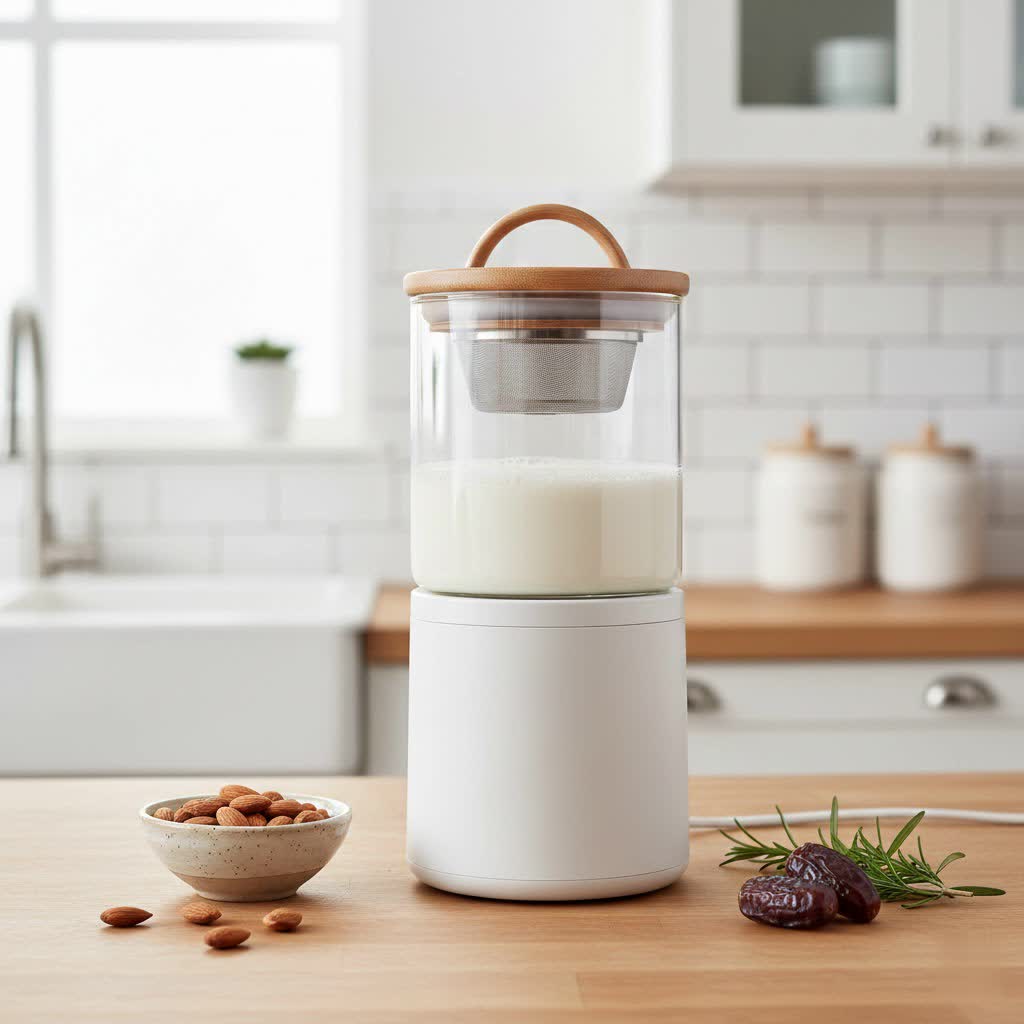
Soybeans are celebrated globally as a nutritional powerhouse, rich in protein, fiber, and essential minerals, making them a staple in many healthy diets. However, unlocking these benefits safely requires careful preparation, especially when dealing with raw, dried soybeans. Eating them raw or undercooked can pose significant health risks due to naturally occurring compounds. This guide delves into why thorough cooking is crucial and provides practical steps to ensure your soybeans are both safe and delicious.

Why Raw Soybeans Pose a Risk: Understanding the Antinutrients
Raw soybeans are not safe for direct consumption primarily because they contain several “antinutrients” that can interfere with human digestion and nutrient absorption. The most prominent of these are lectins, particularly phytohemagglutinin, and trypsin inhibitors. Lectins are proteins that can bind to the lining of the digestive tract, potentially causing damage, gastrointestinal distress, and interfering with nutrient absorption. Symptoms can range from nausea, vomiting, and diarrhea to more severe issues. Trypsin inhibitors, on the other hand, hinder the activity of trypsin, a key enzyme needed for protein digestion, leading to reduced protein utilization and potential pancreatic stress. Furthermore, raw soybeans contain phytic acid, which can bind to minerals like iron, zinc, and calcium, reducing their bioavailability. Thorough cooking is the most practical and effective method to neutralize these harmful compounds, making soybeans safe and beneficial to eat.
The Importance of Soaking: A Critical First Step
Before any cooking begins, soaking dried soybeans is an absolutely critical step that cannot be skipped. Soaking helps to rehydrate the beans, significantly reducing their cooking time and making them easier to digest. It also aids in reducing certain water-soluble antinutrients, contributing to better overall digestibility.
To soak soybeans effectively:
- Standard Soak: Rinse dried soybeans thoroughly in cold water, picking out any discolored or damaged beans. Place them in a large bowl and cover with at least three inches of cold water for 8 to 12 hours, or overnight. The beans will expand considerably, so ensure ample water. Discard the soaking water completely, as it contains many of the compounds you want to remove. Rinse the beans again with fresh water before cooking.
- Quick Soak (Use with Caution for Soybeans): While some beans can benefit from a quick soak (boiling for 2 minutes, then soaking for 1 hour off the heat), for soybeans, the overnight method is generally recommended for more consistent softening and antinutrient reduction.
- Enhancing Softness: For older beans or to achieve a creamier texture, some experts suggest adding a teaspoon of baking soda to the soaking water. This helps to break down the bean skins by raising the water’s pH level.
Step-by-Step Guide to Safe Stovetop Cooking
Stovetop cooking is a traditional and effective method for preparing soybeans. Follow these steps for thorough cooking:
- Preparation: After soaking, drain the soybeans and rinse them well under cold running water.
- Pot and Water Ratio: Transfer the rinsed soybeans to a large pot or Dutch oven. Use a generous amount of fresh water, typically a 1:4 ratio of soybeans to water. Since soybeans can foam during cooking, ensure your pot is large enough to prevent overflow.
- Boiling and Simmering: Bring the water to a rolling boil over high heat. As it boils, a grayish foam will rise to the surface. Skim this foam off and discard it.
- Cooking Time: Once boiling, reduce the heat to a medium-low setting to maintain a steady simmer. Cook the soybeans uncovered, or with the lid partially ajar, for at least 2.5 to 3 hours, but be prepared for cooking times to extend up to 5-6 hours for older beans or certain varieties. Stir occasionally to prevent sticking and add more hot water if the liquid level drops too much.
- Adding Salt: If desired, add salt during the last 30 minutes of cooking. Adding it earlier can sometimes toughen the bean skins.
- Checking for Doneness: The beans are thoroughly cooked when they are very soft and can be easily mashed between your fingers. There should be no firm, crunchy, or starchy texture.
Harnessing the Power of Pressure Cooking for Soybeans
For those seeking a faster yet equally effective method, a pressure cooker can dramatically cut down cooking time while still ensuring complete detoxification.
- Preparation: As with stovetop cooking, start with thoroughly rinsed and soaked soybeans.
- Water Ratio: Add the soaked soybeans to your pressure cooker. A general guideline is to use 2 cups of fresh water for every 1 cup of soaked soybeans.
- Cooking Time: Seal the lid and bring the pressure cooker to high pressure.
- For newer soybeans, cook for approximately 25 minutes.
- For older or larger soybeans, increase the cooking time to 35-40 minutes.
- Pressure Release: Allow the pressure to release naturally for at least 15 minutes before performing a quick release. This helps prevent the beans from bursting and ensures an even cook.
- Salt: Add salt after the pressure cooking process to avoid toughening.
“Thorough cooking is non-negotiable for soybeans. It’s the key to transforming a potentially harmful legume into a highly nutritious and versatile food.” – Dr. Eleanor Vance, Nutritional Scientist
Identifying Properly Cooked Soybeans: How to Be Sure
Knowing when your soybeans are truly “done” is essential for both safety and enjoyment. It’s not just about reaching a certain cooking time; it’s about the texture. Properly cooked soybeans should be uniformly soft, tender, and easily mashed. There should be no hint of crunchiness, firmness, or a raw, starchy taste. If you encounter any of these textures, continue cooking until they are completely tender. An undercooked soybean still retains harmful antinutrients and is also simply unpleasant to eat.
Beyond Cooking: Safe Storage and Usage of Prepared Soybeans
Once your soybeans are thoroughly cooked, cool them to room temperature before storing. Cooked soybeans can be kept in an airtight container in the refrigerator for 3 to 5 days. For longer storage, they can be frozen for several months. These safely prepared soybeans are incredibly versatile and can be used in a myriad of dishes, from hearty soups and stews to vibrant salads, homemade hummus, or as a nutritious side dish. Their mild flavor makes them an excellent addition to almost any meal.
Expert Insights on Soybean Safety
The rigorous heat treatment involved in proper cooking is what makes soybeans safe. Research confirms that boiling soybeans at or near 100°C, especially after they have been fully hydrated through soaking, effectively inactivates nearly all lectin activity and denatures trypsin inhibitors. This process ensures that the nutritional benefits of soybeans are maximized without the associated health risks of their raw form.
Conclusion
Soybeans offer a wealth of health benefits, but their raw state harbors compounds that can disrupt digestion and nutrient absorption. By adhering to thorough soaking and cooking methods—whether on the stovetop for several hours or more quickly with a pressure cooker—you can confidently transform these humble legumes into a safe, delicious, and highly nutritious component of your diet. Prioritizing proper preparation is not just about enhancing flavor; it’s a fundamental step towards ensuring your well-being and unlocking the full potential of this incredible plant-based protein source. Are you ready to confidently integrate thoroughly cooked soybeans into your next meal?
Frequently Asked Questions
Are green soybeans (edamame) safe to eat raw?
|
Our Picks for the Best Nut milk maker in 2026
As an Amazon Associate I earn from qualifying purchases.
|
||
| Num | Product | Action |
|---|---|---|
| 1 | Nut Milk Maker, 40 Oz 8 in 1 Homemade Automatic Plant-Based Milk, Soy Milk, Oat Milk, Almond Milk & More Multifunctional/12 Hours Timer/Auto-Clean/Room Temp/Keep Warm/Boil/Room Temp/Low-Noise |

|
| 2 | KIDISLE 32oz Automatic Soy Machine for Homemade Almond, Oat, Coconut, Soy, Plant Based Milks and Non Dairy Beverages with Delay Start/Keep Warm/Self-Cleaning/Boil Water, Black |
|
| 3 | ChefWave Milkmade Soy Milk Maker – 6-in-1 Plant-Based Milk Machine for Almond, Oat, Soy, Cashew, Coconut & Macadamia – No Soaking, Auto-Clean, Delay Start, Glass Pitcher – White |
|
| 4 | Automatic Nut Milk Maker, 35 oz(1000ml) Homemade Almond, Oat, Soy, Plant-Based Milk and Dairy Free Beverages, Almond Milk Maker with Delay Start/Keep Warm/Boil Water, Soy Milk Maker with Nut Milk Bag |
|
| 5 | 8-IN-1 IAGREEA Nut Milk Maker Machine, 35 oz Soy Milk Maker, Oat, Soy, Plant Based and Dairy Free Beverages, Juice, 2H Keep Warm Countertop Blender, 10 Blades, 12H Delay Start, BPA-Free, Self-Cleaning |
|
| 6 | Nut Milk Maker, AlfaBot N2 Automatic Almond Milk Machine for Homemade Plant-Based Milk, Oat, Soy, Yogurt, 5 Modes/35OZ Big Capacity Soy Milk Maker with Delay Setting and Self Cleaning (Cream) |
|
| 7 | 8-in-1 Automatic Nut Milk Maker Blender, 40.6oz Homemade Almond, Oat, Coconut, Soy, Plant-Based & Non-Dairy Milks, Soybean Machine with Delay Start, Keep Warm, Self-Cleaning & Boil Water Functions |
|
| 8 | 35oz Nut Milk Maker, Compact Soy Milk Maker with 12 Blades, Automatic Almond Oat Milk Machine, Hot & Cold Functions,12H Timer, Auto Clean, Keep Warm, White Batch Plant-Based Milk Maker |
|
| 9 | EanOruus Juicer Machines, 3-in-1 Cold Press Juicer with 6.5" Extra Large Chute, 100oz Large Capacity, AC Motor, Makes Juice, Nut Milk & Sorbet, Premium Gray |
|
| 10 | 50.73oz Nut Milk Maker Machine: 12-in-1 Automatic Soy Milk Maker with Detachable Design, Homemade Juice,Almond,Oat Milks for Plant-Based Milks, 24H Delay Start/Keep Warm/Auto-Clean/Safety Lock |
|
No, even green edamame should not be consumed raw. While often sold in pods, they are typically boiled or steamed before eating. Like dried soybeans, raw edamame contains antinutrients that are eliminated through proper cooking, making them safe and digestible.
Can undercooked soybeans cause long-term health issues?
Regular consumption of undercooked soybeans can lead to chronic digestive problems, nutrient deficiencies due to impaired absorption, and potential long-term stress on organs like the pancreas. While an occasional small amount might not cause severe harm, consistent undercooking is ill-advised.
How long do cooked soybeans last in the refrigerator?
Cooked soybeans can be stored safely in an airtight container in the refrigerator for 3 to 5 days. Always ensure they cool completely before refrigerating to prevent condensation, which can encourage bacterial growth and spoilage.
Does fermenting soybeans make them safe?
Yes, traditional fermentation processes, as seen in products like tempeh, miso, and natto, are highly effective at neutralizing antinutrients in soybeans. The fermentation microbes break down these compounds, making the soybeans not only safe but often more digestible and nutrient-rich.
What are the signs of raw soybean poisoning?
Symptoms of raw soybean poisoning, primarily due to lectins, often manifest as acute gastrointestinal distress, including nausea, vomiting, abdominal pain, diarrhea, and bloating. In more severe cases, headaches, dizziness, and even organ damage can occur, although this is rare with typical accidental ingestion.