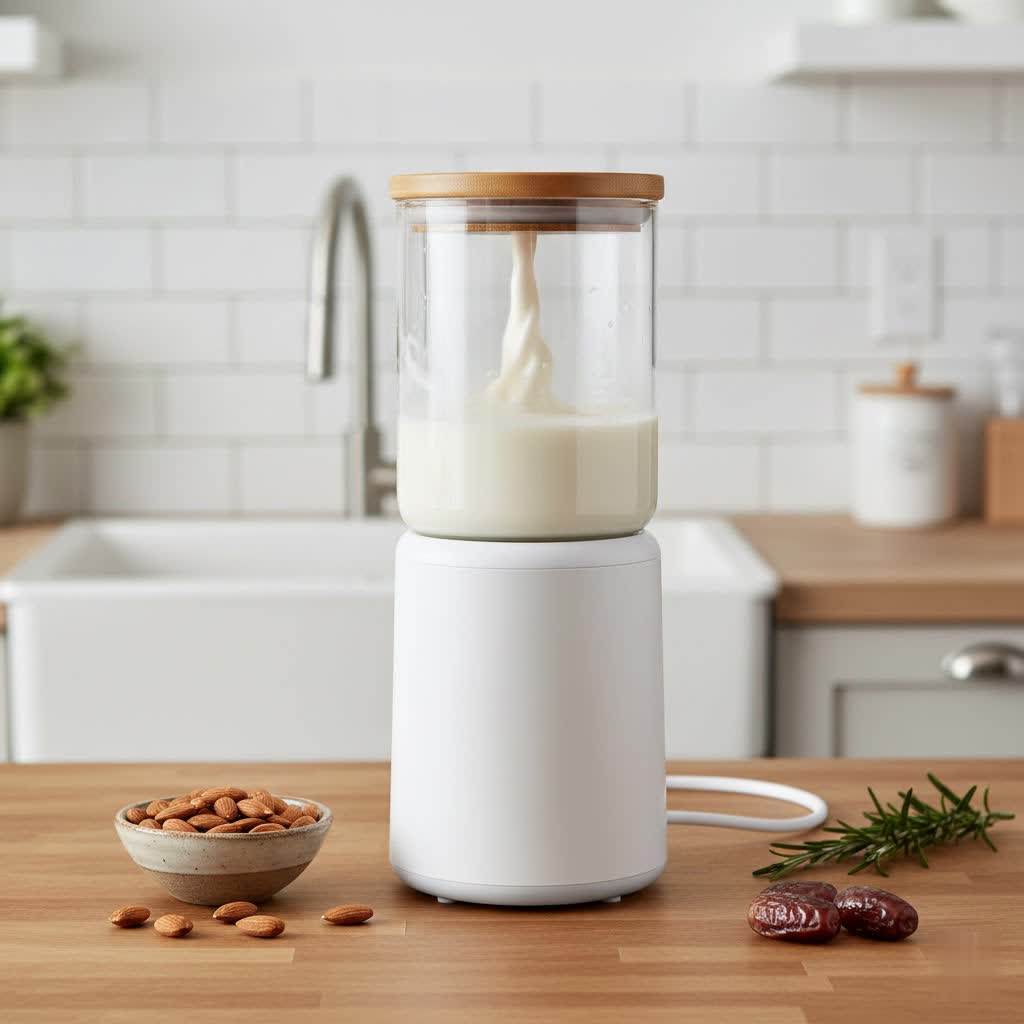
The rise of plant-based diets has brought plant milks into the culinary spotlight, transforming morning coffee routines and smoothie creations worldwide. While store-bought options offer convenience, they often fall short on fresh, vibrant flavor and can contain unwanted additives. The true magic, however, lies in crafting your own at home, especially when you learn how to flavor your plant milks with the timeless duo of vanilla and dates. This guide will empower you to create beverages that are not only delicious but also tailored to your taste and health preferences, taking your plant milk experience to an entirely new level.
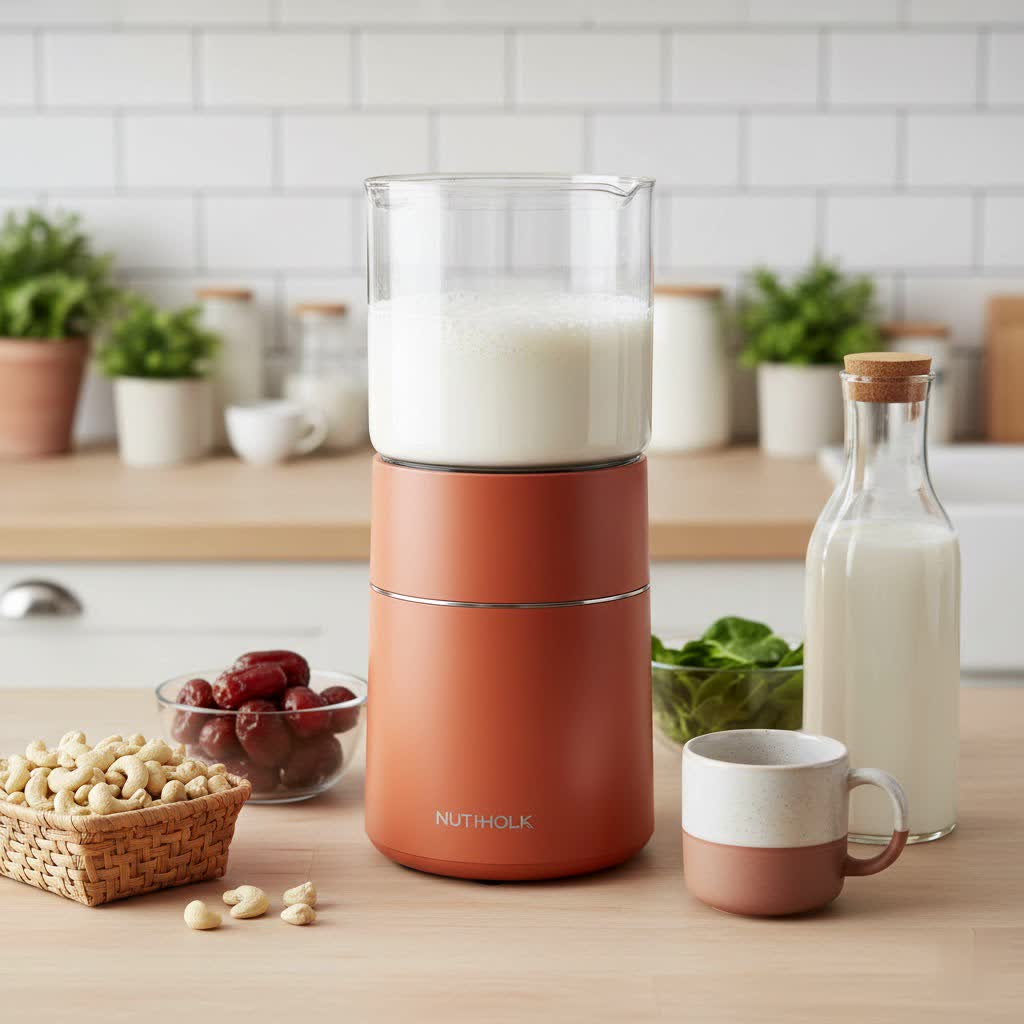
The Wonderful Benefits of Homemade Plant Milks
Plant milks have transcended niche health food status to become a mainstream staple, driven by increasing awareness of health, environmental impact, and ethical considerations. Opting for homemade plant milk offers a distinct advantage over commercial varieties, which can sometimes contain emulsifiers, thickeners like carrageenan, and added sugars that detract from their natural goodness. Homemade versions are typically free from these additives, ensuring a purer, cleaner taste and a more wholesome nutritional profile.
When comparing plant milks to traditional animal milk, the benefits are compelling. Plant milks, particularly almond milk, are naturally lower in calories and carbohydrates, making them a popular choice for weight management and blood sugar regulation. They contain no cholesterol or saturated fat, and many are fortified with vitamins, contributing to heart health. Furthermore, they are an excellent source of Vitamin E, an antioxidant known for its skin health benefits. For the millions globally with lactose intolerance, plant milks offer a readily digestible, creamy alternative.
Almonds, a popular base for homemade plant milks, are nutritional powerhouses. Rich in healthy monounsaturated fats, fiber, protein, magnesium, and Vitamin E, they contribute to overall well-being. “Creating your own plant milk at home gives you complete control over ingredients, ensuring a beverage that is pure, nutrient-dense, and free from industrial additives,” says a leading nutritionist. This level of transparency and freshness is virtually unmatched by packaged products.
Unlocking Flavor Potential: Why Flavor Your Plant Milks?
While the natural taste of plant milk is appealing to many, enhancing it with wholesome, natural flavors can transform it into a truly indulgent experience. Plain plant milk serves as an excellent base, but with a few simple additions, it can become a culinary delight, opening up a world of versatility for drinks and recipes. This approach allows you to move beyond the sometimes bland or singular notes of unflavored milk, introducing complexity and richness without resorting to artificial ingredients or excessive sugars.
The choice to flavor your plant milks naturally is a conscious step towards healthier eating. Unlike many commercial flavored milks that rely on artificial sweeteners and chemical flavorings, using whole ingredients like vanilla and dates provides authentic taste while adding nutritional value. This process elevates the sensory experience, turning a simple glass of plant milk into a comforting treat that satisfies both taste buds and health goals.
The Dynamic Duo: Vanilla and Dates
Among the myriad of natural flavorings, vanilla and dates stand out as a dynamic duo, offering a perfect balance of aromatic complexity and natural sweetness. Their combined profiles create a harmonious flavor that enhances almost any plant milk base.
Vanilla, a universally beloved aroma, brings warmth, depth, and a subtle floral note. Whether derived from a whole vanilla bean, a high-quality extract, or a rich paste, vanilla adds an unmistakable touch of luxury. It’s not just a flavor; it’s an experience, transforming ordinary ingredients into something extraordinary. Pure vanilla extract, made by steeping vanilla beans in alcohol and water, provides a concentrated flavor, while a whole vanilla bean offers a more nuanced and intense aroma, often detectable even after the milk is consumed.
Dates, nature’s candy, contribute a rich, caramel-like sweetness and a tender texture. Beyond their delicious taste, dates are packed with fiber, potassium, and essential minerals, offering a healthier alternative to refined sugars. Medjool dates, in particular, are prized for their large size, soft, chewy flesh, and intense sweetness, making them ideal for blending into creamy plant milks. Their natural sugars dissolve beautifully, integrating seamlessly into the liquid for a smooth, sweet finish.
Together, vanilla and dates create a synergy that is both comforting and sophisticated. The earthy sweetness of dates beautifully complements the fragrant notes of vanilla, resulting in a plant milk that is incredibly satisfying and naturally balanced. This pairing proves that healthy indulgence can be both simple and profoundly flavorful.
Mastering the Art: Crafting Vanilla and Date Plant Milk
Creating your own vanilla and date flavored plant milk is a rewarding process that allows for complete customization. While the most common base is almond milk, this method can be adapted for oat, cashew, or even sunflower seed milk.
Essential Ingredients:
- Raw Almonds (or other nuts): Start with 3/4 to 2 cups of raw, unsalted almonds. Soaking is key for a creamy texture.
- Pitted Medjool Dates: 3 to 4 large, soft Medjool dates for natural sweetness. Adjust to your preference.
- Quality Vanilla: 1 whole vanilla bean (scraped, with pod reserved) or 1/2 to 2 teaspoons of pure vanilla extract, depending on desired intensity. Vanilla bean paste is another excellent option.
- Fresh Filtered Water: 3.5 to 6 cups of water, or a ratio of 3-4 times the volume of nuts, for optimal consistency.
- Pinch of Sea Salt: A tiny pinch (e.g., 1/2 teaspoon kosher salt or Himalayan sea salt) enhances all the flavors.
|
Our Picks for the Best Nut milk maker in 2026
As an Amazon Associate I earn from qualifying purchases.
|
||
| Num | Product | Action |
|---|---|---|
| 1 | Nut Milk Maker, 40 Oz 8 in 1 Homemade Automatic Plant-Based Milk, Soy Milk, Oat Milk, Almond Milk & More Multifunctional/12 Hours Timer/Auto-Clean/Room Temp/Keep Warm/Boil/Room Temp/Low-Noise |

|
| 2 | 8-in-1 Automatic Nut Milk Maker Blender, 40.6oz Homemade Almond, Oat, Coconut, Soy, Plant-Based & Non-Dairy Milks, Soybean Machine with Delay Start, Keep Warm, Self-Cleaning & Boil Water Functions |
|
| 3 | 50.73oz Nut Milk Maker Machine: 12-in-1 Automatic Soy Milk Maker with Detachable Design, Homemade Juice,Almond,Oat Milks for Plant-Based Milks, 24H Delay Start/Keep Warm/Auto-Clean/Safety Lock |
|
| 4 | Nut Milk Maker, AlfaBot N2 Automatic Almond Milk Machine for Homemade Plant-Based Milk, Oat, Soy, Yogurt, 5 Modes/35OZ Big Capacity Soy Milk Maker with Delay Setting and Self Cleaning (Cream) |
|
| 5 | Automatic Nut Milk Maker, 35 oz(1000ml) Homemade Almond, Oat, Soy, Plant-Based Milk and Dairy Free Beverages, Almond Milk Maker with Delay Start/Keep Warm/Boil Water, Soy Milk Maker with Nut Milk Bag |
|
| 6 | 8-IN-1 IAGREEA Nut Milk Maker Machine, 35 oz Soy Milk Maker, Oat, Soy, Plant Based and Dairy Free Beverages, Juice, 2H Keep Warm Countertop Blender, 10 Blades, 12H Delay Start, BPA-Free, Self-Cleaning |
|
| 7 | EanOruus Juicer Machines, 3-in-1 Cold Press Juicer with 6.5" Extra Large Chute, 100oz Large Capacity, AC Motor, Makes Juice, Nut Milk & Sorbet, Premium Gray |
|
| 8 | 35oz Nut Milk Maker, Compact Soy Milk Maker with 12 Blades, Automatic Almond Oat Milk Machine, Hot & Cold Functions,12H Timer, Auto Clean, Keep Warm, White Batch Plant-Based Milk Maker |
|
| 9 | ChefWave Milkmade Soy Milk Maker – 6-in-1 Plant-Based Milk Machine for Almond, Oat, Soy, Cashew, Coconut & Macadamia – No Soaking, Auto-Clean, Delay Start, Glass Pitcher – White |
|
| 10 | KIDISLE 32oz Automatic Soy Machine for Homemade Almond, Oat, Coconut, Soy, Plant Based Milks and Non Dairy Beverages with Delay Start/Keep Warm/Self-Cleaning/Boil Water, Black |
|
Step-by-Step Guide:
- Soaking for Creaminess: Begin by soaking your raw almonds. Place them in a bowl and cover completely with fresh water. Let them soak overnight, or for a minimum of 12 hours. The longer the soak, generally the creamier your milk will be. This process softens the nuts, making them easier to blend and creating a smoother, richer milk.
- Blending for Smoothness: Once soaked, drain and thoroughly rinse the almonds, discarding the soaking water. In a high-speed blender (like a Vitamix), combine the rinsed almonds, fresh filtered water, pitted dates, vanilla (scraped seeds and perhaps the whole pod if using a bean, or extract/paste), and the pinch of sea salt. Blend on high for 1 to 2 minutes. Ensure the mixture is completely pulverized and smooth. “It’s better to over-blend slightly than to under-mix, to extract maximum flavor and creaminess,” advises experienced home cook Marcia Smart.
- Straining for Purity: Pour the blended mixture into a nut milk bag, cheesecloth, or a clean flour sack towel set over a large bowl. Gather the edges of the bag or cloth and squeeze firmly to extract all the liquid, leaving behind the almond pulp. This step is crucial for achieving a smooth, pulp-free milk.
- Storage for Freshness: Transfer your freshly made vanilla and date plant milk into airtight glass bottles or jars. Refrigerate immediately. The whole vanilla bean pod can be added to the finished milk to steep further in the fridge, intensifying the flavor over time.
Tips for Perfect Flavor and Consistency:
- Soaking Duration: While overnight is standard, some find a 24-hour soak yields an even silkier texture.
- Blender Power: A high-speed blender is highly recommended for achieving truly smooth, emulsified milk without grittiness.
- Straining Technique: Be patient and thorough when squeezing the nut milk bag to ensure maximum yield and minimal pulp.
- Date Quality: Soft, fresh Medjool dates are easiest to blend and offer the best sweetness. If your dates are dry, soak them in warm water for 10-15 minutes before pitting and adding to the blender.
Tips for Success and Storage
Achieving the perfect vanilla and date plant milk involves a few key considerations and best practices to ensure delightful flavor and optimal shelf life.
When selecting your ingredients, quality truly makes a difference. For dates, Medjool dates are often recommended for their large size, soft, caramel-like flavor, and easy blending. They impart a luscious sweetness and creamy texture to the milk. Regarding vanilla, a whole vanilla bean offers the most complex and intense flavor profile; scrape the seeds into the blender and then add the whole pod to the strained milk to continue infusing. If using vanilla extract, opt for a pure, high-quality extract for the best results. Vanilla bean paste is a convenient alternative that offers specks of vanilla bean and rich flavor.
Proper storage is crucial for homemade plant milk, as it lacks the preservatives found in commercial varieties. Your vanilla and date plant milk should be stored in airtight glass containers in the refrigerator. Its shelf life typically ranges from 4 to 10 days, though some sources suggest consuming it within 2-3 days for optimal freshness. It’s normal for the milk to separate into layers over time; simply give it a good shake before each use to re-emulsify. While freezing is possible, it can lead to texture changes and more noticeable separation upon thawing.
Troubleshooting Common Issues:
- Separation: As mentioned, this is natural. Shake well before serving.
- Gritty Texture: This usually indicates insufficient blending or inadequate straining. Ensure your nuts are thoroughly soaked and blended for long enough in a powerful blender. Use a fine-mesh nut milk bag.
- Flavor Too Weak/Strong: Adjust the amount of dates and vanilla in subsequent batches. Start with less and add more if needed.
- Leftover Pulp: Don’t discard the nutrient-rich almond pulp! It can be used in a variety of ways:
- Baking: Add to muffins, cookies, or energy balls for added fiber and moisture.
- Smoothies: Blend into your next smoothie for extra thickness and nutrients.
- Granola: Toast it with oats and other ingredients for a homemade granola base.
Creative Combinations and Recipes
Once you’ve mastered the basic vanilla and date flavored plant milk, a world of creative culinary possibilities awaits. This versatile base can be enjoyed on its own, but it also shines when incorporated into other dishes or enhanced with additional spices.
Beyond the Basic: Spices and Other Flavorings
To add an extra layer of warmth and complexity, consider infusing your milk with other spices. A pinch of cinnamon or freshly grated nutmeg can evoke cozy, autumnal notes, perfect for holiday seasons or chilly mornings. A tiny dash of cardamom can introduce an exotic, floral aroma. Always start with a small amount of spices, as their flavors can intensify over time and overpower the delicate vanilla and date notes. For an earthy touch, a hint of cocoa powder can transform it into a mocha-like treat.
Simple Recipes Using Vanilla and Date Flavored Plant Milk:
- Elevated Cereal or Oatmeal: Pour over your favorite granola, muesli, or oatmeal for a naturally sweetened and flavorful breakfast. The rich taste eliminates the need for extra sugar.
- Creamy Lattes: Heat gently and froth for a decadent vanilla and date latte. It pairs beautifully with espresso or chai tea.
- Nutrient-Packed Smoothies: Use as the liquid base for your morning smoothie. It complements fruits like bananas, berries, and mango, adding a layer of creamy sweetness without refined sugars.
- Healthy Milkshakes: Blend with a scoop of plant-based ice cream or frozen banana for a wholesome, guilt-free milkshake.
- Holiday Milk Punch: During festive periods, you can even serve it over ice with a touch of brandy and an extra grating of nutmeg for a sophisticated, dairy-free holiday drink.
Experimentation is key! Let your palate guide you as you discover new and exciting ways to incorporate your homemade vanilla and date plant milk into your daily routine.
Sourcing Quality Ingredients: Your Flavor Foundation
The excellence of your homemade vanilla and date plant milk hinges significantly on the quality of its foundational ingredients. Thoughtful sourcing ensures not only superior flavor but also maximum nutritional benefit.
Where to Find Premium Vanilla:
- Vanilla Beans: For the most profound and authentic vanilla flavor, whole vanilla beans are unmatched. Look for plump, moist, and pliable beans, often found in specialty spice shops, high-end grocery stores, or online retailers. Madagascar Bourbon vanilla beans are highly regarded for their rich, creamy, and sweet aroma.
- Vanilla Extract: If opting for extract, choose a pure vanilla extract over imitation vanilla. Pure extract contains actual vanilla bean essence, while imitation versions are chemically produced. Read labels carefully; high-quality pure extracts will list vanilla bean extractives, water, and alcohol.
- Vanilla Bean Paste: This is a fantastic middle ground, offering intense flavor and those coveted vanilla bean specks. It’s often found in baking sections of well-stocked grocery stores or online.
Selecting the Best Dates:
- Medjool Dates: These are the undisputed champions for plant milk. Their large size, soft, sticky texture, and rich, caramel-like sweetness blend effortlessly and contribute to a creamy mouthfeel. You can find them in the produce section of most grocery stores, often near other dried fruits or nuts.
- Deglet Noor Dates: While also sweet, Deglet Noor dates are firmer and less moist than Medjools, making them slightly less ideal for smooth blending without prior soaking.
Importance of Raw, Unsalted Nuts:
Always start with raw, unsalted nuts, especially almonds, for your plant milk. Roasted nuts will impart a different, sometimes overpowering, flavor to the milk, while salted nuts will make it too savory. Raw nuts also typically soak better, leading to a creamier final product. Look for them in bulk bins, health food stores, or the baking/nut aisle of your local supermarket.
Flavoring Your Plant Milks: A Comprehensive Ingredient Guide
Understanding the nuances of your ingredients is paramount to mastering the art of flavoring plant milks. Each component plays a vital role in the final taste, texture, and nutritional value.
Key Criteria for Choosing Vanilla Products:
- Pure Extract vs. Imitation: Pure vanilla extract is made from real vanilla beans and alcohol, offering a complex, natural flavor. Imitation vanilla uses artificial flavorings, which can taste harsher and lack depth. Always choose pure for the best results.
- Whole Bean Quality: A good vanilla bean should be plump, dark, and slightly oily, indicating freshness and rich flavor compounds. Avoid dry, brittle beans. The variety (e.g., Madagascar, Tahitian) influences subtle flavor notes, with Madagascar being the most common and versatile.
- Vanilla Bean Paste: This convenient option often combines vanilla extract with vanilla bean seeds, providing both concentrated flavor and visual appeal. It’s a great alternative when whole beans are too expensive or unavailable.
Understanding Date Varieties and Their Impact:
- Medjool Dates: As highlighted, their soft, succulent texture and deep caramel flavor make them ideal for blending. They dissolve readily, providing smooth, natural sweetness.
- Deglet Noor Dates: These are firmer and have a less intense sweetness. If using Deglet Noor, consider soaking them in warm water for about 15-20 minutes before blending to soften them and ensure a smoother consistency in your milk. The quantity might also need slight adjustment for comparable sweetness.
- Nutritional Value: All dates are a good source of natural sugars, fiber, and various minerals like potassium and magnesium. They provide energy and a natural way to sweeten your plant milk without refined sugars.
Considerations for Water Quality:
The water you use can subtly impact the final taste of your plant milk. Filtered water is always recommended to ensure a clean, neutral base that allows the flavors of the nuts, vanilla, and dates to shine through without any off-tastes from tap water impurities.
By making informed choices about your ingredients, you lay the groundwork for a truly exceptional homemade vanilla and date plant milk.
Conclusion
Embracing the simplicity of flavoring your own plant milks with vanilla and dates is a delightful journey that promises superior taste, customizable sweetness, and a healthier alternative to commercial options. This homemade approach allows you to control every ingredient, ensuring a pure, additive-free beverage that nourishes your body and delights your senses. The rich, aromatic warmth of vanilla combined with the natural, caramel-like sweetness of dates creates a harmonious blend that transforms basic plant milk into an extraordinary treat. So, gather your ingredients, fire up your blender, and experience the unparalleled joy of crafting your own wholesome, flavorful plant milk. What delicious creations will you infuse your next batch with?
Frequently Asked Questions
Is soaking almonds really necessary for homemade plant milk?
Yes, soaking almonds is highly recommended. It softens the nuts, making them easier to blend into a creamy, smooth consistency, and can also aid in digestibility by reducing phytic acid. Skipping this step may result in a grittier texture.
How long does homemade vanilla and date plant milk last?
Homemade plant milk typically lasts about 4 to 10 days when stored in an airtight container in the refrigerator. Natural separation will occur, but a good shake before serving will re-emulsify it.
Can I use other sweeteners instead of dates in plant milk?
Absolutely. While dates offer a unique caramel sweetness and nutritional benefits, you can use other natural sweeteners like maple syrup, agave nectar, or a small amount of stevia. Adjust quantities to achieve your desired level of sweetness.
What kind of vanilla is best for flavoring plant milk?
For the most authentic and intense flavor, a whole vanilla bean is ideal. Scrape the seeds into the blender and add the pod to the finished milk. Pure vanilla extract or vanilla bean paste are also excellent alternatives, offering concentrated flavor.
Can I freeze vanilla and date plant milk?
You can freeze homemade plant milk, but be aware that its texture might change upon thawing. Separation will likely be more pronounced, and the milk may become slightly grainy. It’s still safe to consume, but it might be best for use in smoothies or baking rather than drinking straight.
What can I do with the leftover almond pulp?
Don’t throw away the almond pulp! It’s a great source of fiber and can be repurposed in many ways. You can add it to smoothies, mix it into pancake or muffin batter, dehydrate it to make almond flour, or toast it for use in granola.