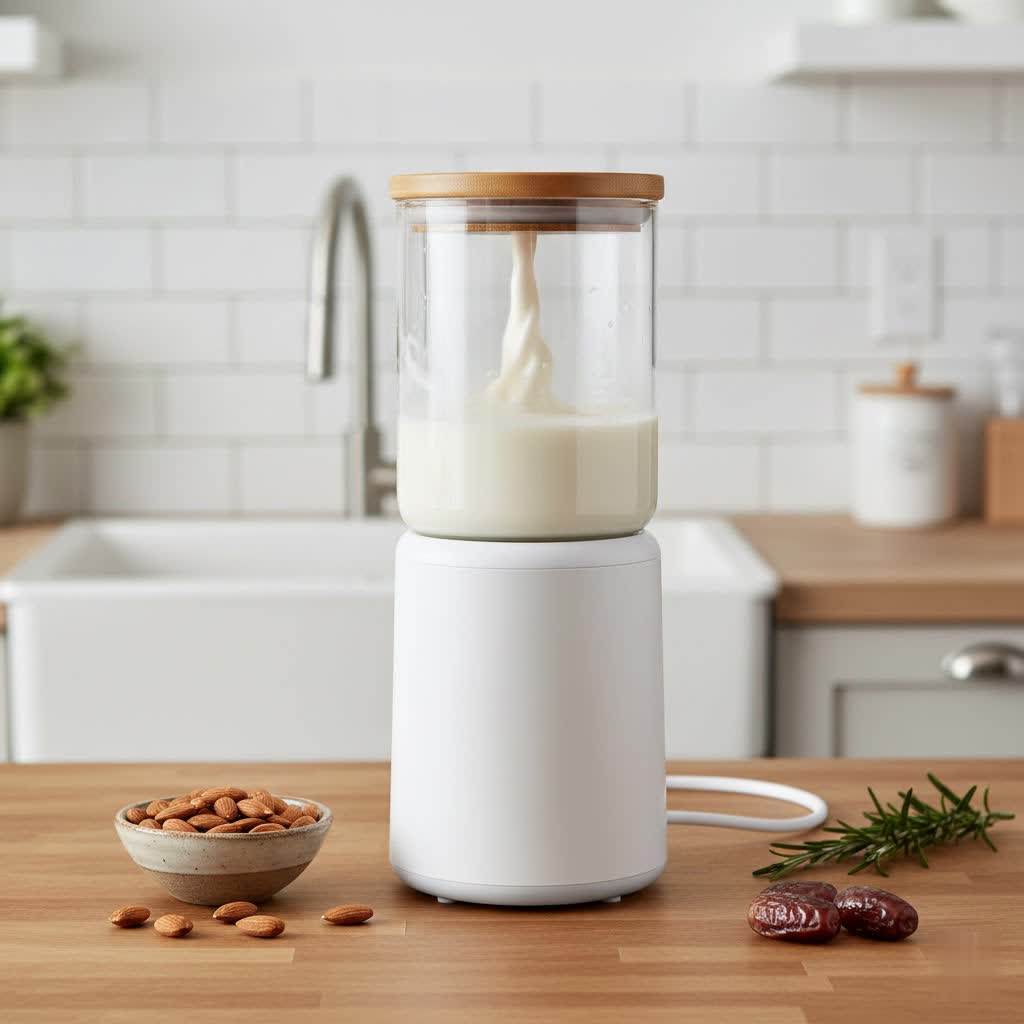
Embracing a plant-based lifestyle or simply seeking healthier alternatives often leads us to the delicious world of homemade nut milks. Among these, fresh coconut milk stands out for its rich flavor and numerous health benefits. While store-bought options are plentiful, they often come with unwanted additives and preservatives. This comprehensive guide will help you navigate the array of nut milk makers on the market, ensuring you choose the perfect appliance to create luscious, additive-free coconut milk right in your own kitchen.
The Wonderful Benefits of Homemade Coconut Milk
Homemade coconut milk offers a fresh, pure alternative to its store-bought counterparts, brimming with nutritional advantages and free from artificial extras. When you make coconut milk at home, you control every ingredient, ensuring a product free from gums, stabilizers, and excessive sugars often found in commercial versions.
This tropical delight is a fantastic source of medium-chain triglycerides (MCTs), which are known for providing quick energy and potentially aiding in satiety and weight management. It’s also rich in essential vitamins and minerals like manganese, vital for bone health and metabolism, and magnesium, crucial for nerve and muscle function. Homemade coconut milk also contains iron, important for red blood cell production, and potassium, which supports heart health. The lauric acid present in coconuts boasts antimicrobial and antiviral properties, potentially boosting your immune system, while dietary fiber contributes to digestive well-being. Opting for homemade not only provides a fresher taste but also reduces packaging waste, making it an eco-conscious choice.
Understanding Different Types of Nut Milk Makers
Choosing the right appliance is key to effortless homemade coconut milk. While high-speed blenders can be used in conjunction with a nut milk bag, dedicated nut milk makers offer a streamlined, often more convenient experience.
Dedicated Automatic Nut Milk Makers: These specialized machines integrate soaking, blending, and straining into a single automated cycle. They often feature built-in filtration systems, reducing mess and ensuring consistent, smooth milk. Many models also include heating functions, which can be beneficial for extracting the most flavor and creaminess from certain ingredients, including coconut. Their hands-free operation makes daily milk production simple and efficient.
High-Speed Blenders with Nut Milk Bags: A powerful blender can certainly process nuts and water into a milky liquid. However, this method typically requires manual straining through a fine-mesh bag or cheesecloth to separate the pulp, adding an extra step and more cleanup. While blenders offer versatility for other kitchen tasks, they lack the integrated automation of dedicated milk makers for plant-based beverages.
Combination Appliances: Some advanced machines, such as certain juicers, are also adept at making nut milks. These versatile devices might offer multiple functions, allowing you to create fresh juices, smoothies, and plant-based milks with a single appliance. When considering these, ensure they have strong grinding capabilities suitable for fibrous ingredients like coconut.
Key Features to Look for When Choosing a Coconut Milk Maker
To ensure you select a nut milk maker that excels at producing creamy coconut milk, consider these crucial features:
- Motor Power and Blades: Coconut is a fibrous ingredient, so a powerful motor (ideally 300W or higher) and sharp, durable blades are essential for thorough grinding and a smooth, well-emulsified milk.
- Capacity: Determine how much milk you need. Smaller machines (around 1.5-2 cups) are perfect for single servings or small households, while larger capacities (6 cups or more) are ideal for families or those who consume plant milk frequently.
- Cycle Time: Look for machines with efficient cycle times. While some can produce milk in under a minute, a slightly longer cycle (5-10 minutes, sometimes with a double cycle option) can lead to a creamier, richer coconut milk.
- Filtering Mechanism: An efficient, built-in filtration system, often a fine stainless steel mesh, is paramount for separating pulp and delivering a smooth texture without the need for additional straining.
- Ease of Cleaning: Self-cleaning functions or dishwasher-safe, removable parts can significantly reduce the effort required for maintenance, making daily use more appealing.
- Material Quality: Opt for models constructed with BPA-free plastics, food-grade stainless steel components, or glass carafes to ensure durability and chemical-free milk production.
- Pre-set Programs and Temperature Control: Machines with specific “coconut milk” settings or variable temperature controls (cold, warm, hot) can optimize the extraction process, yielding better results for different plant bases.
- Noise Level: A quieter motor is a desirable feature, especially if you plan to make milk early in the morning without disturbing others.
Top Nut Milk Makers for Homemade Coconut Milk
Based on their performance and features particularly suited for coconut milk, several machines stand out:
- Nama J2: While primarily known as a juicer, the Nama J2 is praised for its exceptional ability to produce incredible nut milks, including coconut milk. Its strong processing power handles fibrous ingredients effectively, though it comes with a higher price tag.
- Nutr Machine: This compact machine consistently delivers smooth and creamy results. For coconut milk, users often find that running a double cycle (approximately 10 minutes total) significantly enhances its richness and consistency, leading to a much creamier milk with less separation. It also features convenient temperature controls and a self-clean function.
- ChefWave Milkmade: The ChefWave Milkmade is a versatile appliance offering dedicated settings for various plant milks, including coconut. Its multiple programs ensure optimal blending and heating patterns for excellent texture, often eliminating the need for extra straining.
- Almond Cow: Known for its speed and larger capacity, the Almond Cow can produce nut milk in about a minute. While it handles a wide range of nuts and seeds, for the creamiest coconut milk, some users suggest it might benefit from extra straining or a specific recipe approach to avoid slight separation. It’s a great option for those needing quick, large batches.
- Tribest Soyabella: This budget-friendly option is well-suited for beginners and can handle various seed and nut milks. It can also warm your milk, a useful feature for some recipes. While effective, it may require more hands-on cleaning compared to models with self-cleaning functions.
Tips for Making the Best Coconut Milk at Home
Achieving that perfect, velvety coconut milk requires a few simple techniques:
- Choose Your Coconut Wisely: Desiccated (shredded and dried) unsweetened coconut is often the easiest and most accessible option. For an even richer milk, use fresh coconut meat if available.
- Warm Water is Key: When using desiccated coconut, blending with hot water helps extract maximum flavor and fat, resulting in a creamier texture.
- Soaking for Superior Results: While some machines can handle unsoaked ingredients, a brief soak (10-15 minutes in hot water for desiccated coconut) can further soften the coconut, leading to a smoother, more flavorful milk.
- Consider a Double Cycle: For machines like the Nutr, running a second blend cycle for coconut milk can dramatically improve creaminess and reduce any grittiness.
- Season to Taste: A small pinch of salt can balance the flavors and enhance the natural sweetness of the coconut, eliminating the need for added sugar or artificial sweeteners.
- Proper Storage: Store your freshly made coconut milk in an airtight container in the refrigerator. It typically stays fresh for 3-5 days. Separation is natural; simply shake it well before use.
- Utilize the Pulp: Don’t discard the leftover coconut pulp! It can be dried and used in baking, added to smoothies, or incorporated into raw energy bites, minimizing waste.
Where to Buy Reliable Nut Milk Makers
Finding your ideal nut milk maker is easier than ever with various purchasing avenues available.
- Online Retailers: Major online platforms like Amazon, as well as the official websites of brands like Nama, Nutr, Almond Cow, and ChefWave, offer a wide selection. Online shopping often provides competitive pricing, detailed product specifications, and customer reviews to aid your decision.
- Specialty Kitchen Stores: Local kitchenware or health food stores may carry a curated selection of nut milk makers. Shopping in person allows you to see the product, discuss features with knowledgeable staff, and sometimes even watch demonstrations.
- Consider Warranties and Customer Service: Regardless of where you purchase, always check the product warranty and review the manufacturer’s customer service reputation. A good warranty provides peace of mind, and responsive customer support can be invaluable should any issues arise.
Buying Guide: What to Know Before You Purchase
Before making your final decision, take a moment to assess your specific needs and priorities.
- Usage Frequency: If you plan to make coconut milk daily or multiple times a week, investing in an automated, easy-to-clean machine is highly recommended. Occasional users might find a high-speed blender sufficient.
- Budget: Nut milk makers range in price from budget-friendly options to high-end models. Determine your comfortable spending limit, keeping in mind that more expensive machines often offer enhanced features, durability, and convenience.
- Countertop Space: Consider the footprint of the appliance. Compact models are great for smaller kitchens, while larger machines will require more dedicated counter or storage space.
- Specific Milk Types: While this guide focuses on coconut milk, think about other plant-based milks you might want to make. Ensure the chosen machine is versatile enough to handle your full range of preferences.
Conclusion
Creating your own homemade coconut milk is a rewarding experience, offering unparalleled freshness, nutritional control, and delicious flavor. With the right nut milk maker, this once seemingly complex task becomes an effortless part of your routine. By considering the benefits of homemade milk, understanding the different types of machines, and prioritizing key features like motor power, capacity, and ease of cleaning, you can confidently select an appliance that will revolutionize your plant-based beverage journey. Embrace the joy of crafting creamy, pure coconut milk at home and discover a world of culinary possibilities.
What will you create first with your freshly made coconut milk?
Frequently Asked Questions
Can I make coconut milk without soaking the coconut?
|
Our Picks for the Best Nut milk maker in 2026
As an Amazon Associate I earn from qualifying purchases.
|
||
| Num | Product | Action |
|---|---|---|
| 1 | ChefWave Milkmade Soy Milk Maker – 6-in-1 Plant-Based Milk Machine for Almond, Oat, Soy, Cashew, Coconut & Macadamia – No Soaking, Auto-Clean, Delay Start, Glass Pitcher – White |

|
| 2 | Nut Milk Maker, AlfaBot N2 Automatic Almond Milk Machine for Homemade Plant-Based Milk, Oat, Soy, Yogurt, 5 Modes/35OZ Big Capacity Soy Milk Maker with Delay Setting and Self Cleaning (Cream) |
|
| 3 | Automatic Nut Milk Maker, 35 oz(1000ml) Homemade Almond, Oat, Soy, Plant-Based Milk and Dairy Free Beverages, Almond Milk Maker with Delay Start/Keep Warm/Boil Water, Soy Milk Maker with Nut Milk Bag |
|
| 4 | 8-IN-1 IAGREEA Nut Milk Maker Machine, 35 oz Soy Milk Maker, Oat, Soy, Plant Based and Dairy Free Beverages, Juice, 2H Keep Warm Countertop Blender, 10 Blades, 12H Delay Start, BPA-Free, Self-Cleaning |
|
| 5 | KIDISLE 32oz Automatic Soy Machine for Homemade Almond, Oat, Coconut, Soy, Plant Based Milks and Non Dairy Beverages with Delay Start/Keep Warm/Self-Cleaning/Boil Water, Black |
|
| 6 | Nut Milk Maker, 40 Oz 8 in 1 Homemade Automatic Plant-Based Milk, Soy Milk, Oat Milk, Almond Milk & More Multifunctional/12 Hours Timer/Auto-Clean/Room Temp/Keep Warm/Boil/Room Temp/Low-Noise |
|
| 7 | 8-in-1 Automatic Nut Milk Maker Blender, 40.6oz Homemade Almond, Oat, Coconut, Soy, Plant-Based & Non-Dairy Milks, Soybean Machine with Delay Start, Keep Warm, Self-Cleaning & Boil Water Functions |
|
| 8 | EanOruus Juicer Machines, 3-in-1 Cold Press Juicer with 6.5" Extra Large Chute, 100oz Large Capacity, AC Motor, Makes Juice, Nut Milk & Sorbet, Premium Gray |
|
| 9 | 35oz Nut Milk Maker, Compact Soy Milk Maker with 12 Blades, Automatic Almond Oat Milk Machine, Hot & Cold Functions,12H Timer, Auto Clean, Keep Warm, White Batch Plant-Based Milk Maker |
|
| 10 | 50.73oz Nut Milk Maker Machine: 12-in-1 Automatic Soy Milk Maker with Detachable Design, Homemade Juice,Almond,Oat Milks for Plant-Based Milks, 24H Delay Start/Keep Warm/Auto-Clean/Safety Lock |
|
Yes, many modern nut milk makers and high-speed blenders can process unsoaked desiccated coconut, especially when using hot water. However, soaking for 10-15 minutes can often lead to a creamier texture and more efficient extraction of flavors and nutrients.
How long does homemade coconut milk last?
Homemade coconut milk typically lasts for about 3 to 5 days when stored in an airtight container in the refrigerator. It’s best to consume it fresh for optimal taste and quality.
Is a nut milk maker better than a blender for coconut milk?
For frequent homemade coconut milk production, a dedicated nut milk maker generally offers superior convenience and consistency. It automates the blending and straining process, reducing mess and effort compared to using a blender with a separate nut milk bag.
What type of coconut should I use for making coconut milk at home?
Unsweetened desiccated coconut (shredded and dried) is the most common and convenient option. If you have access to fresh coconuts, using the fresh meat will yield an incredibly rich and flavorful milk.
Are nut milk makers hard to clean?
Many modern nut milk makers are designed for easy cleaning, featuring self-cleaning cycles or removable, dishwasher-safe parts. Look for these features to simplify maintenance and ensure your machine remains a joy to use.