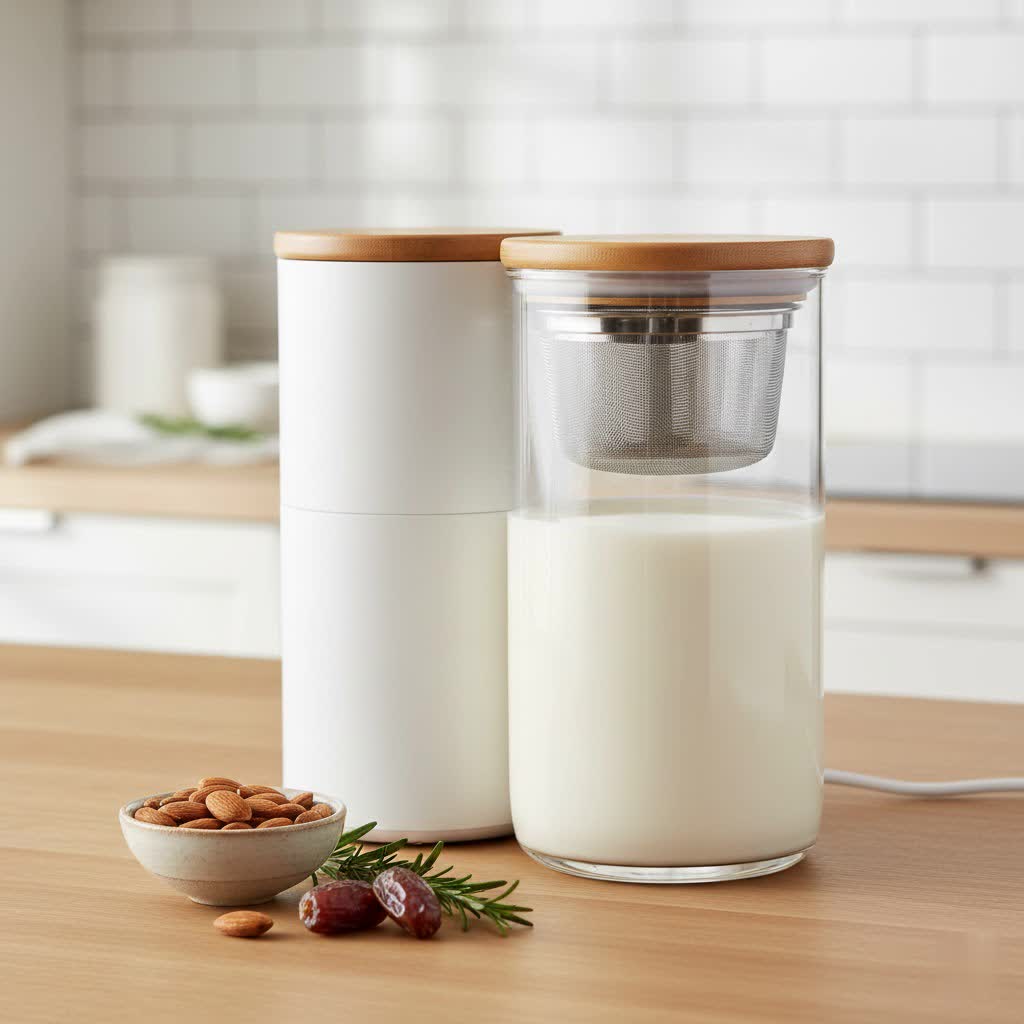
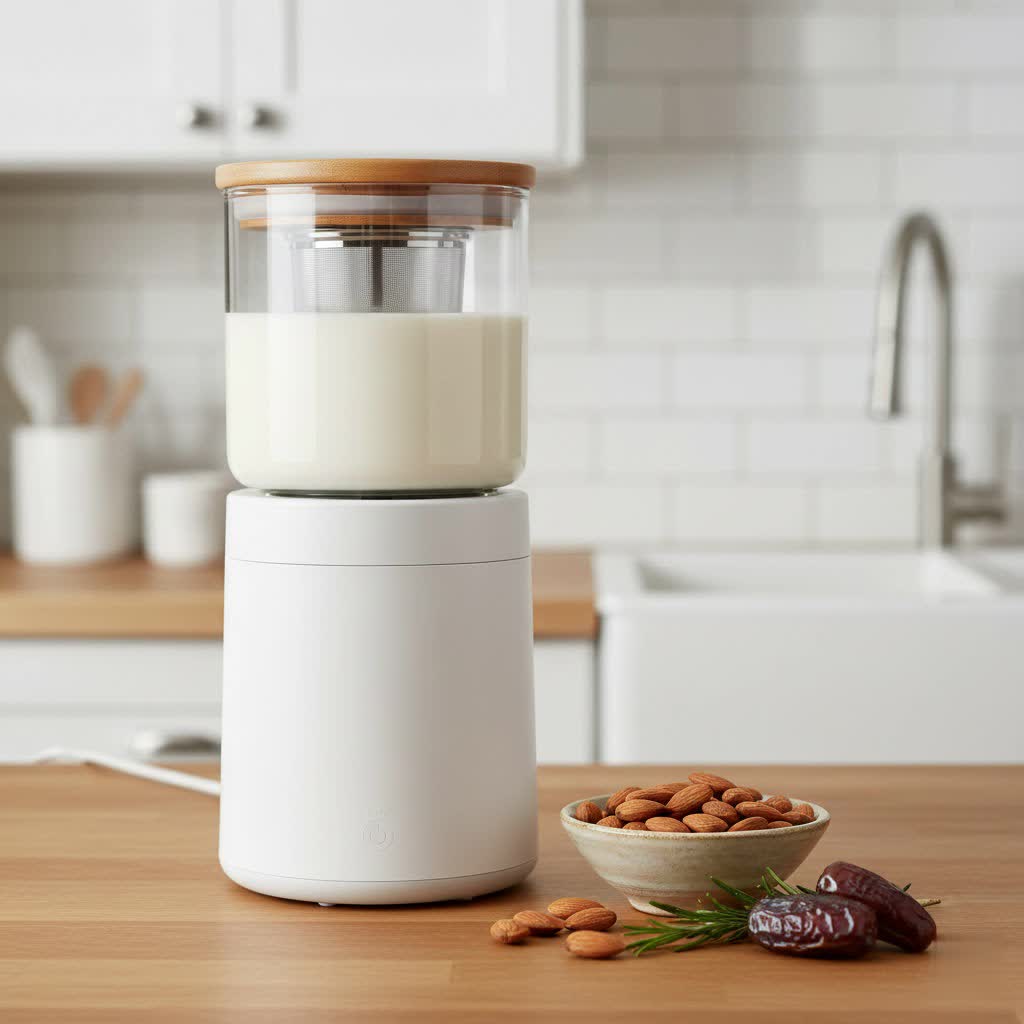
For enthusiasts of plant-based living, crafting your own nut milk at home using a reliable nut milk maker is a rewarding experience. The promise of fresh, additive-free, and customizable milk is incredibly appealing. However, the joy of a perfectly smooth batch can quickly turn to frustration when you notice your homemade creation separating or curdling. As a technician with over a decade of experience in the nut milk maker field, I understand these challenges intimately. This comprehensive guide will delve into the root causes of milk separation and provide expert solutions to ensure your homemade nut milk consistently achieves that desirable creamy texture, from the first sip to the last drop.
The Science Behind Separation: Understanding Your Homemade Nut Milk
At its core, homemade nut milk is an emulsion – a delicate blend of water, tiny fat particles, and proteins. Unlike cow’s milk, which contains natural emulsifiers like casein proteins and phosphates that help stabilize its structure, plant-based milks lack these robust buffers. This inherent difference makes homemade nut milk naturally more prone to separating. The solid components (fats and proteins) are denser than water, and without strong emulsifying agents, they will inevitably settle over time, leading to a noticeable layer at the bottom of your container. This natural settling is typically harmless, indicating simply that the milk needs a good shake before use. However, sometimes separation can signify curdling, a more drastic change that impacts both texture and palatability.
Common Culprits: Why Your Nut Milk Curdles or Separates
Understanding the “why” behind separation is the first step to achieving consistently smooth homemade nut milk. Several factors can disrupt the delicate balance of your plant-based emulsion, leading to undesirable textures.
Acidity is Key
Table is empty.One of the most frequent causes of curdling, especially when adding nut milk to hot beverages, is acidity. Hot liquids like coffee or certain teas often have a low (acidic) pH. When the proteins in plant-based milk are introduced to an acidic environment, they denature or coagulate, forming visible curds. This reaction is similar to how lemon juice curdles dairy milk. The natural acidity of certain nuts, the age of the milk, or even the acidity of tap water can also contribute to a lower pH, making your milk more susceptible to curdling.
Temperature Troubles
Sudden temperature shifts are another major factor. Pouring cold nut milk directly into a steaming hot cup of coffee or tea can cause a rapid denaturation of proteins, leading to instant separation or curdling. Conversely, overheating your nut milk during the preparation process can also cause proteins to coagulate and separate from the liquid. This is particularly true if the milk is brought to a vigorous boil.
Ingredient Quality & Ratios
The foundation of excellent homemade nut milk lies in its ingredients.
- Freshness: Using nuts that are stale, rancid, or past their prime can significantly impact the quality and stability of your milk, leading to poor texture and a higher likelihood of separation.
- Ratios: Deviating from recommended ingredient ratios, especially too much water relative to nuts, can result in a thinner, less stable emulsion that separates more easily. A higher concentration of solids contributes to a creamier, more stable product.
Improper Processing
How you process your ingredients plays a crucial role.
- Soaking: For many nuts and seeds, proper soaking is essential. It softens the ingredients, aids in blending, and can improve digestibility and nutrient absorption. Inadequate soaking might lead to a less refined milk texture that is prone to separation.
- Blending: Insufficient blending can leave larger particles, which will settle quickly. Conversely, over-blending at very high speeds with some nuts might generate too much heat or aeration, potentially affecting stability.
- Straining: While optional for some, straining the milk through a fine-mesh bag or cloth removes pulp, resulting in a smoother consistency that may appear more uniform.
Expert Fixes and Prevention Strategies
Don’t despair if your homemade nut milk isn’t perfectly smooth. With these expert strategies, you can minimize separation and enjoy consistently creamy results.
Mastering the Temperature Game
- Warm it Up: When adding nut milk to hot beverages like coffee or tea, gently warm the milk beforehand. This reduces the temperature shock and helps prevent immediate curdling. A quick warm-up in a saucepan or microwave is usually sufficient.
- Slow & Steady: Introduce the warmed nut milk slowly into your hot beverage, stirring continuously. This gradual incorporation allows the liquids to temper, minimizing protein shock.
- Avoid Boiling: When cooking with nut milk, heat it gently over medium-low heat. Avoid vigorous boiling, which can rapidly denature proteins.
Balancing pH
- Cool the Coffee: Allow your coffee or tea to cool slightly before adding nut milk. This reduces the acidity, making it less likely to curdle.
- Choose Wisely: If consistently experiencing issues with coffee, consider using darker roasted beans, which are typically less acidic than lighter roasts. Also, avoid overly strong coffee, as concentrated acidity increases curdling risk.
- Alkaline Boost: For stubborn cases, a tiny pinch of baking soda (sodium bicarbonate) added to your coffee before the milk can slightly raise the pH and help prevent curdling. However, experiment with small amounts, as it can affect taste.
Optimizing Ingredients
- Fresh is Best: Always use the freshest possible nuts, seeds, and grains. Store nuts in an airtight container in the refrigerator to prolong their freshness and prevent rancidity.
- Precise Ratios: Follow recipes carefully, especially regarding the ratio of nuts to water. Using the recommended 80ml of ingredients, as suggested by some nut milk maker experts, ensures optimal consistency and reduces curdling risk.
- Add Healthy Fats: Incorporating a small amount of healthy fat can act as a natural emulsifier, improving the milk’s creaminess and stability. A teaspoon of coconut flakes, coconut oil, or a few dates blended with your nuts can make a noticeable difference.
Refining Your Preparation Process
- Soak Properly: Ensure nuts are adequately soaked as per recipe recommendations. This makes them easier to blend into a smooth emulsion.
- Thorough Blending: Use a high-quality blender or nut milk maker to achieve a very fine, homogenous mixture. The smaller the particles, the less noticeable any natural settling will be.
- Consider Straining: If you prefer an ultra-smooth consistency and want to minimize separation, strain your nut milk through a fine-mesh nut milk bag or cheesecloth multiple times.
Beyond the Basics: Advanced Tips for Ultra-Smooth Nut Milk
For those aiming for barista-level perfection, a few additional tricks can elevate your homemade nut milk.
- Natural Emulsifiers: Beyond coconut oil, ingredients like a small amount of soy lecithin or even a few soft dates can significantly improve the milk’s stability and creaminess without altering the flavor profile dramatically.
- Ingredient Combinations: Experiment with blending different nuts or adding a small amount of oats or soaked sunflower seeds. Certain combinations can create a more stable emulsion that holds up better, especially in hot beverages. For example, oat milk is often more tolerant of heat than almond milk due to its fat composition.
- Storage Practices: While natural separation is normal, proper storage prevents spoilage-induced curdling. Store your homemade nut milk in an airtight container in the refrigerator for 3-5 days. Shake well before each use.
When to Worry: Is Separated Milk Always Spoiled?
It’s important to distinguish between natural separation and spoilage. Natural separation, where the water and solids simply divide, is common with homemade nut milk and doesn’t indicate spoilage. A quick shake will reintegrate the components.
However, if your nut milk exhibits any of the following, it’s best to discard it:
- Unpleasant Odor: A sour, off, or rotten smell.
- Thick, Slimy, or Chunky Texture: Beyond simple settling, if the milk is noticeably thick, slimy, or has large, hard curds even after stirring, it’s likely spoiled.
- Change in Color: Any discoloration or presence of mold.
- Fizzy Appearance: Bubbles or fizz could indicate fermentation due to bacterial growth.
If you are ever in doubt, it’s always safer to err on the side of caution and discard the milk.
“Many believe that plant-based milks are temperamental, but with a deeper understanding of acidity and temperature, mastering creamy homemade batches is entirely achievable.”
Conclusion
The journey to consistently perfect homemade nut milk can have its moments of frustration, particularly when faced with separation. However, by understanding the underlying science of emulsions, mastering temperature control, selecting fresh ingredients, and refining your preparation techniques with your Nut Milk Maker, you can overcome these common hurdles. Embrace the experimentation, tweak your methods, and you’ll soon be enjoying luxuriously smooth, stable, and delicious plant-based milk tailored precisely to your taste. What’s your go-to trick for preventing nut milk separation?
Frequently Asked Questions
Can I still drink separated nut milk?
Yes, if the separation is merely the solids settling to the bottom and there are no signs of spoilage (bad smell, off taste, thick texture), it is perfectly safe to drink. Just give it a good shake before pouring.
What’s the best way to store homemade nut milk?
Store homemade nut milk in an airtight container in the refrigerator. It typically lasts 3 to 5 days. For optimal freshness, avoid storing it in the refrigerator door where temperatures fluctuate more often.
How do I make my nut milk thicker and less prone to separation?
To make your nut milk thicker and more stable, ensure you’re using a higher nut-to-water ratio. Additionally, blending in healthy fats like coconut cream or a few soaked dates can significantly improve consistency and act as natural emulsifiers.
Can high-speed blenders cause separation in homemade nut milk?
While a high-speed blender is excellent for achieving a fine, smooth consistency, excessive blending can generate heat, which might contribute to protein denaturation and separation if not managed. Always follow recommended blending times and allow the mixture to cool if necessary.