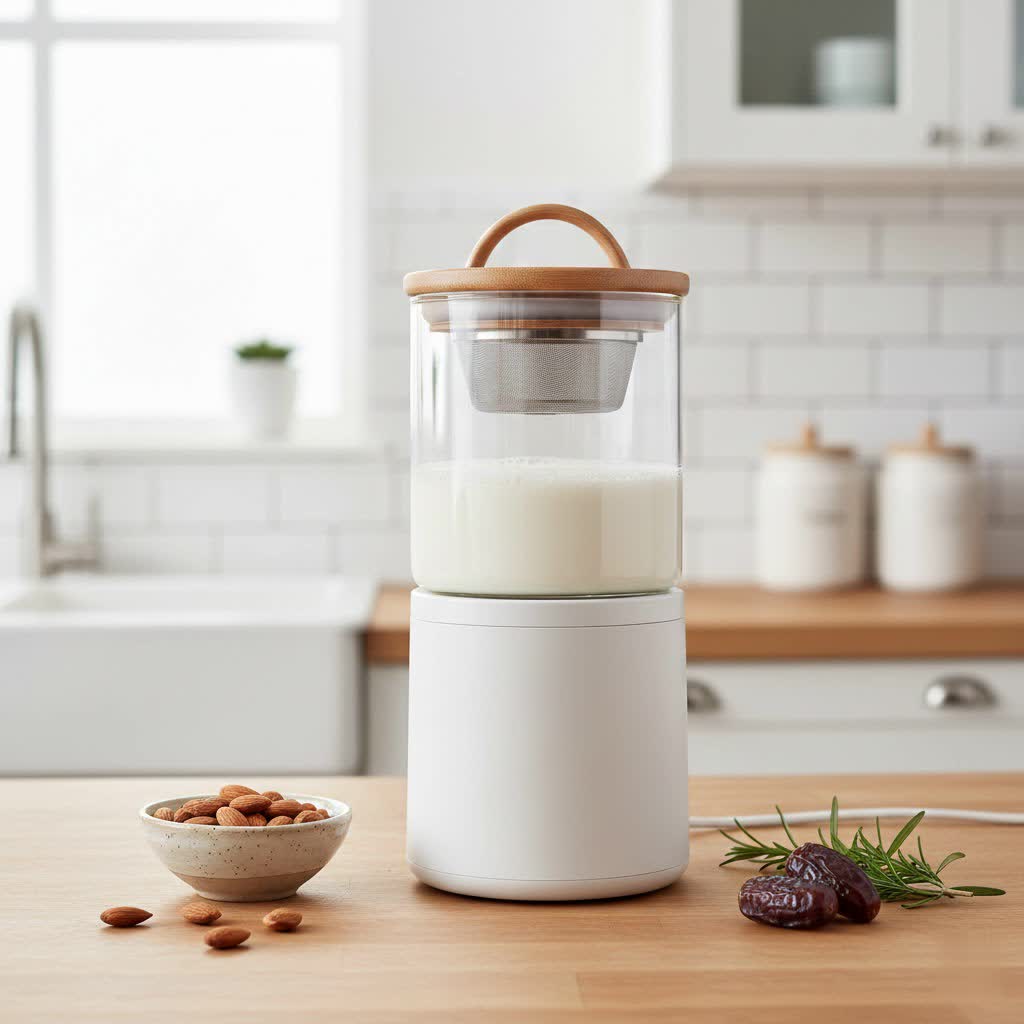
The homemade nut milk revolution is in full swing, with countless individuals turning to automatic nut milk makers for fresh, preservative-free plant-based beverages. As you embark on this culinary journey, a common question often arises: “Do I need to soak nuts before using an automatic maker?” This is a nuanced question, touching on everything from milk texture to nutrient absorption. While many modern machines boast a “no-soak” feature for convenience, understanding the science and benefits behind soaking can help you craft the perfect glass of nut milk tailored to your preferences.
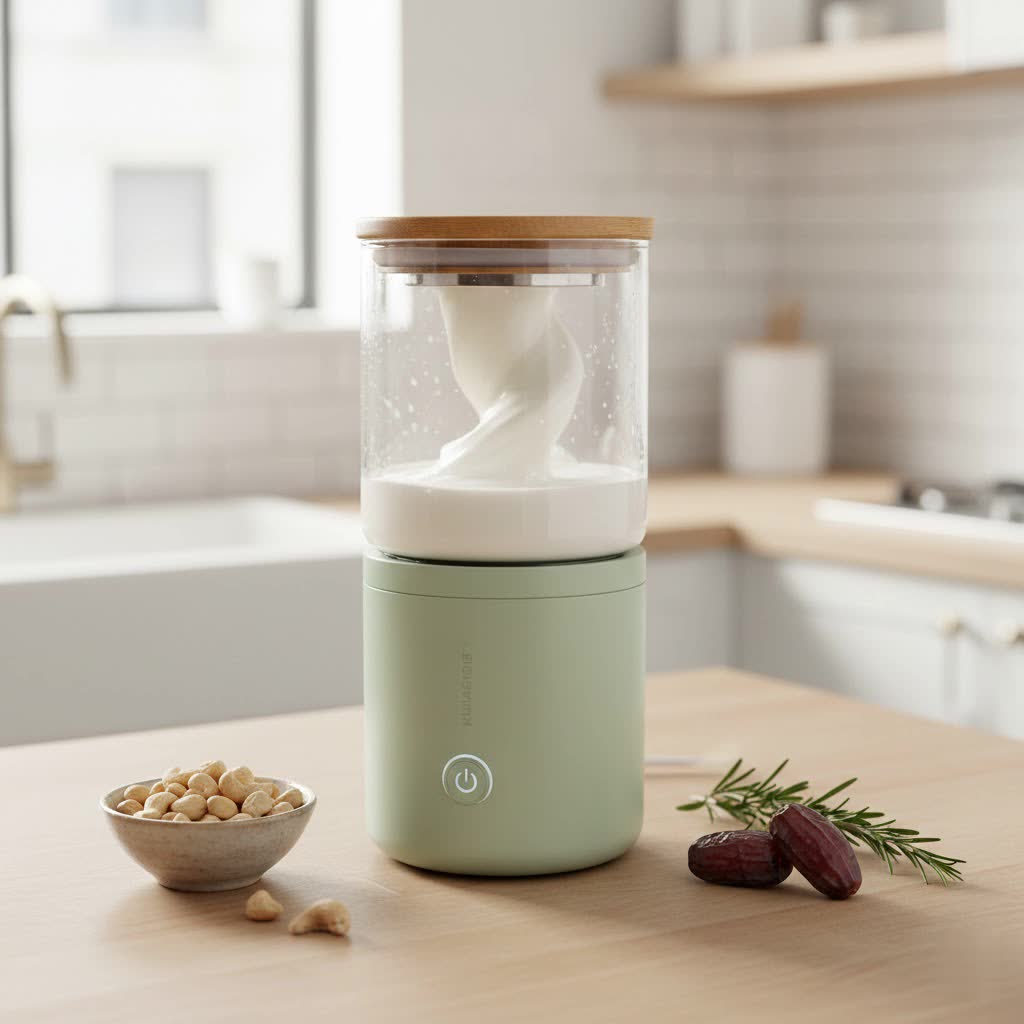
The Science Behind Soaking Nuts
Table is empty.Why do people soak nuts in the first place? Beyond softening, there’s a fascinating biological process at play. Raw nuts contain natural compounds like phytic acid and enzyme inhibitors. These are the plant’s defense mechanisms, designed to protect the seed until conditions are right for germination. When consumed, these “anti-nutrients” can bind to essential minerals such as iron, zinc, and calcium, potentially reducing their absorption in your digestive tract. They can also make nuts harder to digest for some individuals, leading to discomfort like bloating or gas.
Soaking mimics the natural germination process, signaling to the nut that it’s time to “awaken.” This process helps neutralize some of these enzyme inhibitors and phytic acid, making the nuts potentially easier to digest and allowing your body to absorb more of their beneficial nutrients. Soaking also hydrates the nuts from the inside out, leading to a much softer texture. This softening is key for achieving a smoother, creamier milk and can even yield a greater volume of liquid during the blending process. Additionally, soaking can mellow out some of the naturally bitter or astringent flavors found in the skins of certain nuts, resulting in a more palatable milk.
However, the scientific community holds varied views on the extent of these benefits for nuts and seeds. While soaking has shown significant effects on legumes and grains, some studies suggest that the reduction in phytate levels in nuts, and the subsequent increase in nutrient bioavailability, can be minimal. Interestingly, phytic acid isn’t entirely “bad”; it possesses antioxidant properties and has been linked to protective effects against certain conditions. Therefore, the decision to soak often balances traditional wisdom, personal digestive comfort, and desired culinary outcome.
Automatic Nut Milk Makers: Redefining the Rules
Gone are the days when homemade nut milk invariably meant overnight soaking, messy straining, and multiple kitchen tools. Modern automatic nut milk makers have revolutionized the process, often featuring powerful motors and advanced blending systems designed to break down ingredients efficiently, without the need for pre-soaking [1, 3 (search result 1), 4 (search result 1)]. Brands like Nama and Almond Cow explicitly state that soaking is optional, not required, highlighting the convenience of their machines [1, 2 (search result 1)].
These appliances are engineered for speed and ease, allowing you to go from whole nuts to fresh milk in minutes. Their high-speed blades can pulverize unsoaked nuts and grains into a remarkably smooth consistency, making delicious plant-based milk accessible on demand. This technological advancement directly addresses one of the primary drawbacks of traditional nut milk making: the time commitment involved in soaking. For many busy individuals, the ability to skip the soak is a significant advantage, ensuring a steady supply of homemade milk without extensive planning.
To Soak or Not to Soak: Weighing the Pros and Cons for Your Machine
Even with the capabilities of automatic makers, the question of soaking remains a personal choice. Here’s a breakdown to help you decide:
Pros of Soaking (Even with an Automatic Maker):
- Superior Texture: Soaking almost universally leads to a noticeably creamier and smoother milk with less pulp or grittiness. This is often the primary reason users choose to soak, even when their machine doesn’t require it [1 (search result 1), 2 (search result 2)].
- Enhanced Digestibility: For those with sensitive digestive systems, soaking can significantly improve how well nuts are tolerated, reducing the likelihood of bloating and gas [2, 3, 5 (search result 2)].
- Potentially Better Nutrient Absorption: While debated, soaking may increase the bioavailability of certain vitamins and minerals, helping you get more nutritional value from your nuts [1, 2, 3, 5 (search result 2)].
- Milder Flavor: Soaking can leach out some bitter compounds, particularly from nuts with skins like almonds, resulting in a sweeter, cleaner-tasting milk [1, 2, 5 (search result 2)].
- Increased Yield: Hydrated nuts can produce slightly more milk, offering better value from your ingredients [3 (search result 3)].
Cons of Soaking (Even with an Automatic Maker):
- Time Commitment: The most obvious drawback is the need for advance planning. Soaking can take anywhere from a few hours to overnight, adding an extra step to your routine [4 (search result 3)].
- Risk of Spoilage: If nuts are soaked for too long (e.g., beyond 48 hours without refrigeration), they can spoil or even begin to sprout, which isn’t ideal for milk making [3 (search result 3)].
- Extra Step: It simply adds another task to your milk-making process, even if it’s passive.
- Minimal Nutritional Impact: For some, the perceived nutritional boost from soaking might not outweigh the added effort, especially given that some studies show only a tiny difference in nutrient levels [4 (search result 1)].
“While modern nut milk makers have made pre-soaking optional, many users find that a quick soak dramatically improves the smoothness and creaminess, elevating the homemade milk experience.”
A Practical Guide to Soaking Nuts (If You Choose To)
If you decide the benefits of soaking are worth the extra step, here’s a simple guide:
- Choose Raw Nuts: Always start with raw, unsalted nuts.
- Rinse Thoroughly: Give your nuts a quick rinse before soaking.
- Soak in Water: Place the nuts in a bowl and cover them with filtered water, ensuring about two inches of water above the nuts [2 (search result 3)]. Some recommend adding a pinch of Himalayan pink salt to the water, as it can further aid in deactivating enzyme inhibitors [3, 5 (search result 2)].
- Soaking Times Vary:
- Hard Nuts (Almonds, Hazelnuts, Pistachios): 8 hours or overnight [2 (search result 1)].
- Oily Nuts (Pecans, Walnuts, Brazil Nuts): Less than 8 hours, often 4-6 hours [2 (search result 1)].
- High-Fat Nuts (Cashews, Macadamias, Pine Nuts): 2-4 hours [2 (search result 1)].
- Quick Soak Option: For cashews, you can often achieve a quick soak by pouring boiling water over them and letting them sit for about 10-30 minutes [5 (search result 3)].
- Discard Soaking Water & Rinse: Always discard the soaking water after the process, as it contains the released phytic acid and enzyme inhibitors [5 (search result 1); 4 (search result 3)]. Rinse the nuts thoroughly under cool running water before adding them to your automatic nut milk maker [1, 4 (search result 3)].
Beyond Soaking: Tips for the Best Homemade Nut Milk
Regardless of whether you soak your nuts, a few additional tips can enhance your homemade nut milk experience:
- Quality Ingredients: Start with fresh, high-quality nuts. Organic, raw nuts will always yield the best flavor and nutritional profile.
- Water Quality: Use filtered water for both soaking (if applicable) and blending. This significantly impacts the final taste of your milk.
- Experiment with Ratios: Most machines provide recommended ratios, but don’t hesitate to experiment with more or fewer nuts to achieve your preferred richness and consistency.
- Flavor Boosts: Add a pinch of sea salt, a pitted date, vanilla extract, or a touch of maple syrup directly to your machine for added flavor.
- Proper Storage: Homemade nut milk typically lasts 3-5 days in the refrigerator. Store it in an airtight container. Separation is natural; just shake before serving.
Conclusion
The evolution of automatic Nut Milk Makers has undeniably brought convenience to the forefront, largely eliminating the necessity of pre-soaking nuts. However, the age-old practice of soaking still offers compelling benefits, primarily in achieving a smoother, creamier texture and potentially improving digestibility and nutrient absorption. While your automatic maker will produce excellent milk with unsoaked nuts, a little pre-planning with a soak can elevate your plant-based milk to a truly gourmet experience. The ultimate decision rests with you: prioritize speed and simplicity, or embrace the subtle enhancements that soaking can offer. What will your next batch of homemade nut milk bring to your table?
Frequently Asked Questions
Does soaking nuts make nut milk last longer?
No, soaking nuts does not typically extend the shelf life of nut milk. Homemade nut milk, whether from soaked or unsoaked nuts, generally lasts 3-5 days in the refrigerator due to the absence of preservatives found in commercial varieties.
Can I soak nuts directly in the automatic nut milk maker?
Most manufacturers advise against soaking ingredients directly inside the machine’s chamber. If you choose to soak, do so in a separate container and then drain and rinse the nuts before adding them to your automatic maker [1 (search result 1)].
What kind of nuts benefit most from soaking for milk?
Harder nuts like almonds and hazelnuts often show the most noticeable improvement in texture and creaminess after soaking. However, most nuts will yield a smoother result with a pre-soak.
Is discarding the soaking water important?
Yes, it is generally recommended to discard the soaking water. This water contains phytic acid, enzyme inhibitors, and other compounds released from the nuts, which are the very substances you might be trying to reduce for better digestion and nutrient absorption [4 (search result 3)].