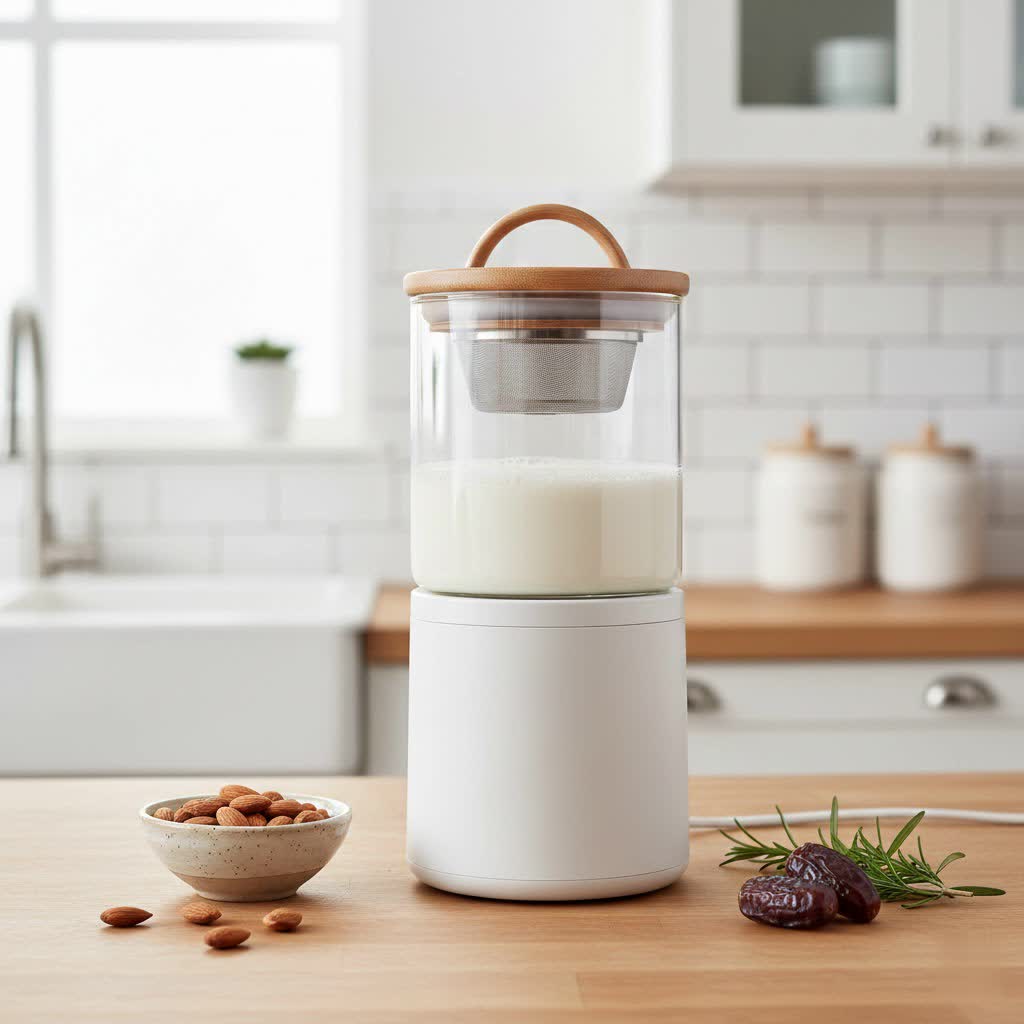
In a world increasingly conscious of health, sustainability, and dietary choices, homemade plant-based milk has surged in popularity. Ditching store-bought cartons for fresh, additive-free alternatives is a game-changer for many, offering superior taste and control over ingredients. If you’re ready to embrace the DIY plant milk movement, you’ve likely encountered two prominent contenders: the Tribest Soyabella and the Almond Cow. Both promise to transform nuts, seeds, and grains into delicious beverages, but they cater to slightly different needs and preferences. This comprehensive review will delve into the features, benefits, and drawbacks of each, helping you decide which nut milk maker is the ideal fit for your kitchen and lifestyle.

The journey to making your own plant milk is often driven by a desire for fresher ingredients, fewer preservatives, and a reduction in packaging waste. From the creamy richness of almond milk to the versatile protein power of soy milk, the options are vast. Choosing the right appliance can make this process enjoyable and effortless, opening up a world of culinary possibilities.
The Appeal of Homemade Plant Milk
Homemade plant milk has become a staple for many, transcending dietary restrictions to become a preferred choice for its purity and customizable nature. Unlike many commercial varieties, which often contain thickeners, emulsifiers, and added sugars, homemade versions allow you to control every single ingredient. This means you get a truly fresh product, brimming with natural flavor and nutritional benefits.
Compared to animal milk, plant-based alternatives offer a lighter footprint on the environment and are suitable for those with lactose intolerance or dairy allergies. Common nuts like almonds provide vitamin E and healthy fats, oats are known for their fiber, and soybeans are a complete protein source. Crafting these milks at home ensures you’re maximizing their natural goodness without unwanted additives.
Introducing the Contenders: Tribest Soyabella and Almond Cow
At the heart of the homemade plant milk trend are innovative appliances designed to simplify the process. The Tribest Soyabella (model SB-130) is a versatile machine celebrated for its multi-functionality. It’s not just a nut milk maker; it’s also adept at producing traditional soy milk, grinding coffee beans, and even preparing soups or porridges. Its key differentiator is its ability to heat ingredients during the cycle, a crucial feature for properly cooked soy milk.
The Almond Cow, on the other hand, carved its niche by offering a fast, streamlined approach to creating raw nut and oat milks. It prides itself on speed and simplicity, making fresh milk in under a minute without any heating elements. This machine is favored by those prioritizing quick preparation and a sleek, minimalist design focused purely on raw plant milk production. Both machines aim to simplify your plant milk routine, but they achieve this through distinct designs and feature sets.
Key Differences: A Head-to-Head Battle
When comparing the Tribest Soyabella and the Almond Cow, several core distinctions emerge, influencing which machine might better suit your specific needs.
Functionality & Versatility
Table is empty.The Tribest Soyabella truly shines in its versatility. It features a “Milk” setting that cooks and blends soybeans, making it one of the few machines capable of producing authentic, ready-to-drink soy milk from dry beans. Beyond soy, its “Mill” setting handles raw nut, oat, and seed milks efficiently. What sets it apart is its additional capacity for grinding coffee beans, flax seeds, and spices, and even making hot soups and porridges. This multi-purpose design makes it a valuable asset for a broader range of kitchen tasks.
In contrast, the Almond Cow is a specialist. Its primary focus is on producing raw plant-based milks quickly. While it excels at almond, oat, and cashew milks, it lacks a heating element. This means it cannot cook soybeans, requiring you to pre-cook them separately if you wish to make soy milk, adding an extra, time-consuming step to the process. For those solely interested in raw milks, its focused design is an advantage; for those seeking versatility, it falls short.
Material & Build Quality
Material composition is a significant point of comparison. The Almond Cow boasts an all-stainless steel construction for components that come into contact with your milk. This gives it a premium feel and is a strong selling point for users who prioritize avoiding plastic in their food preparation. Its robust build contributes to its perceived durability.
The Tribest Soyabella features a stainless steel carafe and a fine mesh basket, but it incorporates a BPA-free plastic top and handle that touch the milk during operation. While the plastic is certified BPA-free, some consumers prefer to completely avoid plastic contact with food, which might make the Soyabella less appealing for them. Some users also note that the Soyabella’s base and handle can feel less premium compared to the Almond Cow.
Speed & Efficiency
For raw nut and oat milks, the Almond Cow is hard to beat in terms of speed. Its powerful blades can transform ingredients into creamy milk in under a minute, often taking as little as 30 seconds for softer nuts like cashews and oats. This makes it incredibly efficient for quick, fresh batches.
The Tribest Soyabella offers respectable speed for raw milks, capable of producing them in about 30 seconds using its “Mill” function. However, its “Milk” setting for cooking soybeans takes approximately 15 minutes, which is necessary for traditional soy milk preparation. So, while it offers more functionality, the heated processes naturally require more time.
Ease of Cleaning
Cleaning is often a deciding factor in kitchen appliances. The Almond Cow is generally considered easier to clean due to its simpler design and predominantly stainless steel interior. The streamlined components tend to make residue removal more straightforward.
The Tribest Soyabella, while functional, is noted by some users as being less polished in terms of cleanup. Attaching the motor head to the fine mesh container can be a bit tricky, and the various components, especially the mesh screens and heating element, require thorough hand washing. It doesn’t offer the same effortless cleaning experience as the Almond Cow.
Price Point
The Tribest Soyabella typically comes at a lower price point, making it an attractive option for budget-conscious consumers looking for good value and multi-functionality. It’s often recommended as a great budget-friendly nut milk maker.
The Almond Cow, while offering a premium build and user experience, is generally more expensive. This higher investment is justified for those who prioritize its speed, all-stainless steel design, and dedication to raw plant milk production.
Specific Milk Types
If traditional, cooked soy milk is a priority, the Tribest Soyabella is the clear winner due to its integrated heating and cooking functions. It simplifies the process, delivering ready-to-drink soy milk in one cycle. It also handles a variety of other nuts and seeds.
For enthusiasts of raw almond, oat, or cashew milk who value speed and simplicity above all else, the Almond Cow is exceptional. Its design is optimized for these specific milk types, ensuring smooth and creamy results rapidly.
Comparison Table: Tribest Soyabella vs. Almond Cow
| Feature | Tribest Soyabella (SB-130) | Almond Cow |
|---|---|---|
| Primary Function | Soy milk, nut/seed milk, soups, grinding | Raw nut/seed milk |
| Heating Function | Yes (for soy milk, soups) | No |
| Materials (Food Contact) | Stainless steel carafe, BPA-free plastic top/handle | All stainless steel |
| Speed (Raw Milk) | ~30 seconds | < 1 minute (often 30 seconds) |
| Speed (Soy Milk) | ~15 minutes (cooks and blends) | Requires pre-cooking soybeans externally |
| Capacity | ~5.5 cups | 5-6 cups |
| Cleaning Ease | Hand wash, can be more intricate | Easier, simpler design |
| Price Point | Lower / Mid-range | Higher / Premium |
| Versatility | High (milks, soups, grinding) | Specialized (raw milks) |
| User Interface | One-touch operation, Milk/Mill settings | One-button blending (“Cow” button) |
| Durability Feel | Good, but some plastic components | Premium, all-stainless steel components |
Choosing Your Ideal Nut Milk Maker
Deciding between the Tribest Soyabella and the Almond Cow boils down to your personal priorities and kitchen habits. There’s no single “best” machine; only the best machine for you.
Consider your primary needs: If your main goal is to make traditional soy milk from scratch, including the crucial cooking step, the Soyabella is undoubtedly the more convenient and efficient choice. Its heating element handles the entire process. If, however, you predominantly make raw milks like almond, oat, or cashew, and value speed and a pure, unheated product, the Almond Cow excels. It’s purpose-built for this task, delivering quick results.
Budget: The Soyabella offers a more budget-friendly entry point into homemade plant milk production, providing a wide array of functions for its price. If cost is a significant factor, but you still want versatility, the Soyabella presents excellent value. The Almond Cow, while a higher investment, provides a premium experience with its all-stainless steel construction and rapid processing.
Material preference: For those committed to avoiding plastic in food contact, the Almond Cow’s all-stainless steel design is a compelling advantage. If BPA-free plastic is acceptable and versatility is more important, the Soyabella remains a strong contender.
Cleaning convenience: If quick and easy cleanup is a top priority, the Almond Cow’s design may be more appealing. While both require some attention, the Almond Cow’s simpler internal components often make the post-milk-making routine less cumbersome.
“The right nut milk maker simplifies a healthy lifestyle. It’s about finding the balance between desired functionality, ease of use, and your personal values, whether that’s multi-purpose cooking or pristine, raw milk production.”
Ultimately, both machines empower you to enjoy fresh, homemade plant milk. Your choice will reflect whether you prioritize the comprehensive capabilities of a multi-functional appliance or the specialized efficiency of a dedicated raw milk maker.
Tips for Using Your Nut Milk Maker
Making delicious plant milk at home is a rewarding experience, and with a few simple tips, you can ensure optimal results and extend the life of your machine.
To get the creamiest milk, always use high-quality, fresh nuts or seeds. Soaking nuts like almonds overnight can also help soften them, leading to a smoother consistency and potentially making them easier to digest. For oat milk, avoiding over-blending is key to prevent sliminess; a quick blend is often sufficient. Experiment with different ratios of ingredients to water to find your preferred thickness and flavor. A pinch of salt or a date can enhance the taste without resorting to refined sugars.
Proper maintenance is crucial for longevity. Always follow the manufacturer’s cleaning instructions carefully. For the Soyabella, ensure all pulp is thoroughly rinsed from the mesh screen and heating element immediately after use to prevent drying and sticking. For the Almond Cow, a quick rinse of the internal components after each batch helps maintain cleanliness. Store both machines in a clean, dry place. Regularly inspect seals and blades for wear and tear, and address any issues promptly.
Where to Buy with Confidence
When you’re ready to invest in a nut milk maker, purchasing from reputable sources ensures you receive an authentic product with warranty support. Major electronics retailers, dedicated kitchen appliance stores, and official brand websites are excellent places to start. Online marketplaces also carry these machines, but it’s vital to check seller reviews and authenticity to avoid counterfeit or refurbished products without proper guarantees. Look for retailers that offer clear return policies and customer service, especially for larger kitchen investments.
Buying Guide: What to Look for Before You Purchase
Before making your final decision, consider these critical aspects to ensure your chosen Nut Milk Maker aligns perfectly with your expectations. First, evaluate the capacity – how much milk do you need to make at once? Both Soyabella and Almond Cow offer similar capacities, suitable for most households. Next, prioritize features: do you need a heating function for soy milk or hot beverages, or is raw milk your sole focus? The versatility of the Soyabella contrasts with the specialized nature of the Almond Cow here.
Ease of use is paramount; both machines boast simple, one-button operations, but consider the entire process, including soaking ingredients and cleanup. Durability is tied to materials; the Almond Cow’s all-stainless steel construction may offer greater peace of mind for some. Finally, consider the brand reputation and customer support. Researching user reviews and professional comparisons, like this one, can provide valuable insights into real-world performance and reliability.
Conclusion
The journey into homemade plant milk offers a fresh, healthier, and more sustainable alternative to store-bought options. Choosing between the Tribest Soyabella and the Almond Cow ultimately depends on your specific needs and priorities. The Soyabella stands out as a multi-functional powerhouse, ideal for those who desire traditional, cooked soy milk alongside various other plant-based milks, soups, and even grinding tasks, all at a more accessible price point. Its versatility is unmatched for a budget-conscious consumer.
Conversely, the Almond Cow is the champion of speed and simplicity for raw nut and oat milks. Its all-stainless steel construction and rapid processing time appeal to those who prioritize a premium build, effortless cleanup, and unheated, fresh milks, despite its higher cost and more specialized functionality. Both machines excel in their respective domains, promising to elevate your kitchen experience and provide delicious, wholesome beverages. So, what kind of homemade milk will you be crafting first?
Frequently Asked Questions
Which machine is better for making traditional soy milk that requires cooking?
The Tribest Soyabella is significantly better for making traditional soy milk as it includes a built-in heating element that cooks the soybeans during the blending cycle. The Almond Cow lacks this feature, requiring you to pre-cook soybeans separately, which adds extra steps.
How quickly can the Almond Cow make nut milk?
The Almond Cow is renowned for its speed, capable of producing raw nut and oat milks in under a minute. For softer ingredients like cashews and oats, it often takes as little as 30 seconds.
Does the Tribest Soyabella have any plastic parts that touch the milk?
Yes, the Tribest Soyabella uses a BPA-free plastic top and handle that come into contact with the milk. While certified BPA-free, the Almond Cow offers an all-stainless steel interior for those preferring to avoid any plastic contact.
Is the Almond Cow worth the higher price?
The Almond Cow’s higher price is justified for users who prioritize its all-stainless steel construction, incredibly fast raw milk production, and simpler cleaning process. If these features align with your preferences and budget, it offers a premium experience.
Can the Tribest Soyabella make more than just milk?
Absolutely. Beyond various plant milks, the Tribest Soyabella is designed to make hot soups, porridges, and can also be used for grinding coffee beans, flax seeds, and spices, offering excellent multi-functionality.