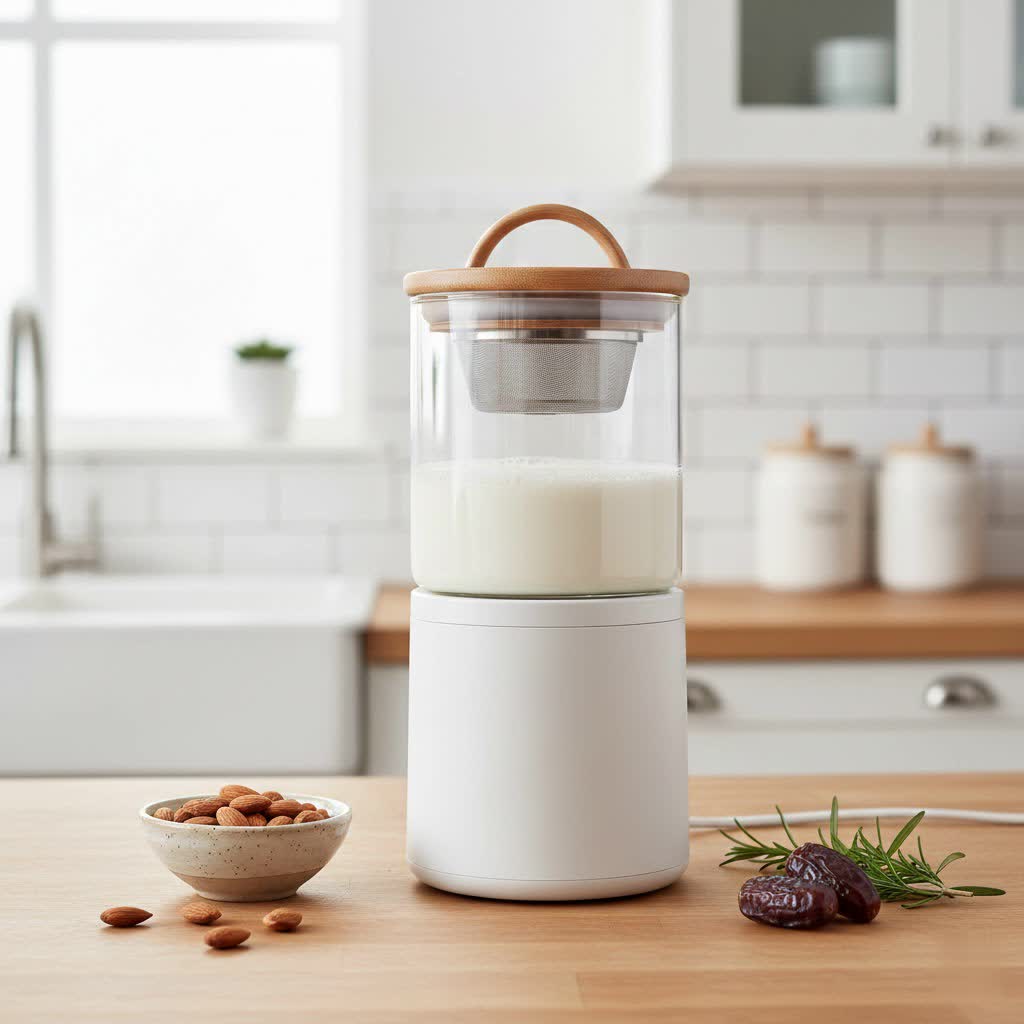
Embracing a plant-based diet or simply seeking a healthier alternative to dairy can lead you down the delightful path of homemade nut milks. The desire for fresh, additive-free beverages often brings to mind specialized milk makers, but what if your versatile Hurom slow juicer could handle the task with surprising prowess? Many wonder if these powerful machines can truly deliver creamy, delicious nut milk. The answer is a resounding yes, and often, with exceptional results. This comprehensive review delves into how Hurom slow juicers not only excel at producing high-quality nut milks but also offer a range of benefits that make them a standout choice for the health-conscious kitchen.
The Rise of Plant-Based Milks and the Homemade Advantage
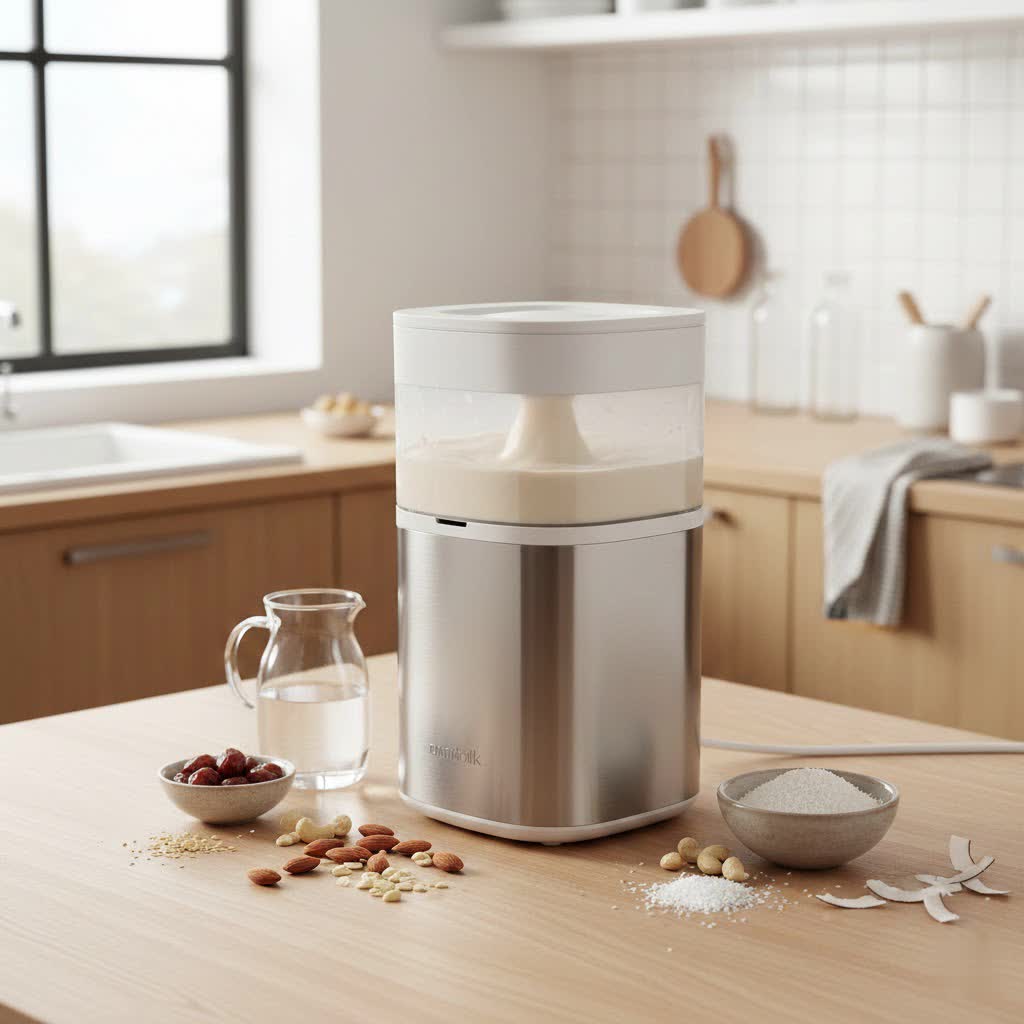
The increasing popularity of plant-based diets and dietary restrictions has propelled nut milks to the forefront of healthy beverage choices. Far more than just an alternative, homemade nut milks offer a refreshing and nutritious addition to any lifestyle. They are naturally lactose-free, vegan, plant-based, paleo-friendly, and gluten-free, catering to a wide array of dietary needs. Beyond their allergen-friendly profile, homemade versions boast a significant advantage over their store-bought counterparts: they are free from the undesirable thickeners, emulsifiers, and preservatives that often dilute the goodness of commercial options.
Crafting your own nut milk at home ensures you control every ingredient, yielding a beverage rich in natural flavor and vital nutrients. Almond milk, for instance, is not only low in calories but also free from cholesterol and saturated fat. It’s packed with essential vitamins like A, various B vitamins, D, and E, which support healthy skin, strong bones, and muscle growth. Furthermore, nuts provide beneficial minerals such as phosphorus, potassium, and zinc. This allows for a truly pure, nutrient-dense drink that supports overall well-being.
How Hurom Slow Juicers Excel in Nut Milk Production
Hurom slow juicers are renowned for their cold-press technology, a method that sets them apart in the world of home beverage preparation. Unlike high-speed centrifugal juicers that generate heat, Hurom machines operate at a slow masticating speed, typically around 43 RPM. This gentle “slow squeeze” technique minimizes heat exposure and oxidation, effectively preserving the delicate enzymes, vitamins, and minerals that give nuts their exceptional nutritional value and rich flavor. The result is a vibrant, nutrient-packed nut milk that truly captures the essence of its ingredients.
The efficiency of a Hurom slow juicer in extracting liquid from solids is particularly evident when making nut milk. These machines consistently produce very dry pulp, indicating maximum liquid extraction and less waste. Many models, such as the Hurom HZ, even feature a pulp control lever and different strainers (fine and coarse) that allow users to customize the texture of their nut milk, achieving anything from a perfectly smooth consistency to a slightly thicker, richer beverage. While dedicated Nut Milk Makers exist, Hurom’s ability to achieve such high-quality results for nut milk, alongside its primary function of juicing fruits and vegetables, highlights its remarkable versatility. This makes it an invaluable multi-functional appliance for any kitchen.
Step-by-Step Guide: Making Your Own Nut Milk with a Hurom
Creating fresh, homemade nut milk with your Hurom slow juicer is a straightforward process, elevating your daily beverage routine with minimal effort.
Preparation: The Key to Creaminess
Table is empty.The foundation of great nut milk begins with proper preparation. It is crucial to soak your raw nuts overnight, or for a minimum of 6 to 8 hours (some suggest up to 10 hours). Soaking softens the nuts, making them easier for the juicer to process and ensuring optimal milk extraction. After soaking, thoroughly drain and rinse the nuts under cool water. This step removes any enzyme inhibitors and contributes to a cleaner taste.
Mastering Nut-to-Water Ratios
The ideal nut-to-water ratio can be adjusted to achieve your preferred consistency. For a rich, creamy milk perfect for coffee or baking, aim for one cup of fresh water per cup of soaked nuts. If you prefer a lighter, thinner milk suitable for smoothies or cereal, a ratio of two to three cups of water per cup of nuts will work well. Experimentation is encouraged to find your perfect balance.
The Juicing Process: Simple and Efficient
Assemble your Hurom slow juicer, ensuring the fine strainer is in place for the smoothest results. With the juice cap closed, begin feeding the soaked nuts into the hopper, alternating with the fresh water. A ladle or large spoon can help you maintain an even flow, typically adding nuts and water in equal parts. The slow auger will methodically grind and press the mixture, extracting the liquid gold. Allowing the drum to fill up before opening the spout can enhance the mixing and extraction process, leading to a richer final product.
Optional Enhancements for Flavor
Once your nut milk is ready, you can customize it with a variety of natural flavorings. A touch of maple syrup or honey can add a gentle sweetness, while a few pitted dates can provide a richer, more caramel-like note. For aromatic blends, consider a dash of vanilla extract, a pinch of cinnamon, or even a tiny amount of sea salt to enhance the overall taste. Mix these in using a whisk or by briefly blending in a separate container.
Repurposing Your Nut Pulp
One of the most appealing advantages of homemade nut milk is the leftover pulp. Far from waste, this nutrient-rich byproduct can be transformed into culinary delights. Once dried, it makes an excellent gluten-free flour substitute for baking cookies, muffins, or crackers. You can even add it to smoothies or energy balls for an extra fiber boost. Freeze the pulp if you don’t plan to use it immediately.
Storage for Freshness
Because homemade nut milk contains no artificial stabilizers, it’s best consumed within three days. Store it in an airtight glass jar or bottle in the refrigerator. Remember to shake it well before each use, as natural separation is common.
Hurom Models for Nut Milk Enthusiasts: H70, H400, H-AA, HZ, HP
Hurom offers a range of slow juicer models, many of which are highly capable of producing excellent nut milk. Each model brings unique features and design elements to the table, catering to different user preferences and kitchen setups.
- Hurom H70: This model is recognized for producing exceptionally silky smooth and delicious nut milks, often eliminating the need for additional straining bags. Its easy disassembly also contributes to a quick and simple cleaning experience. While generally efficient, users should pre-cut fibrous ingredients to prevent occasional clogging.
- Hurom H400: Celebrated for its revolutionary easy-clean design, the H400 is versatile and makes various nut milks. It boasts simplified assembly and disassembly. Due to its scrubless screen design, some users might notice microscopic traces of pulp, though this is often negligible for most.
- Hurom H-AA and HZ: These Alpha technology-powered models are among Hurom’s bestsellers. The H-AA is known for its sleek design, while the HZ features a premium stainless steel casing. Both are highly versatile, capable of making not only juice and nut milks but also sorbet and ice cream. The HZ, in particular, often includes a pulp control lever and multiple strainers for precise texture management. The H-AA, however, can be seen as having more parts to clean by some.
- Hurom HP: As part of the personal series, the HP is a compact and more affordable option. It delivers reliable performance for making nut milks, making it an excellent choice for individuals or smaller households with limited counter space.
Across the range, Hurom juicers generally operate quietly, a significant advantage over noisy blenders. While they represent a premium investment, their robust build quality and multi-functionality often justify the price for serious home cooks and health enthusiasts. A common consideration across all models is the need for pre-cutting produce to fit the feed chute, and the initial learning curve for assembly for some models.
Hurom vs. The Alternatives: Juicers and Dedicated Nut Milk Makers
When considering a Hurom for nut milk, it’s natural to compare it with other options.
Hurom vs. Blenders
For nut milk, a Hurom slow juicer generally outperforms a traditional blender. Juicers extract milk by pressing, resulting in a cleaner separation of liquid from pulp. This often means less mess, a more potent and flavorful milk, and a finer pulp byproduct that can be easily repurposed for baking. Blenders, conversely, typically require an additional step of straining through a nut milk bag or cheesecloth to achieve a smooth consistency, which can be cumbersome and messy.
Hurom vs. Dedicated Nut Milk Makers
While specialized appliances like the Nama M1 Plant Milk Maker or Nutramilk are designed specifically for nut milk production and may offer slightly higher yields or even quicker processing times, Hurom slow juicers provide a compelling multi-functional alternative. Hurom’s core design as a juicer means it excels at extracting juice from a wide array of fruits and vegetables, in addition to its impressive nut milk capabilities. For those who prioritize a single, high-performance appliance that can handle both juicing and nut milk creation, a Hurom slow juicer offers exceptional value and convenience. It’s a juicer first, but one that undeniably shines in nut milk preparation.
Choosing Your Hurom: A Buying Guide
Investing in a Hurom slow juicer is a decision that can significantly impact your healthy living journey. When selecting the right model, consider a few key factors:
- Budget: Hurom juicers are premium appliances. Determine your budget and explore models like the compact HP for affordability or the HZ for top-tier features and aesthetics.
- Desired Features: Do you prioritize automatic feeding, fine-tuned pulp control, or specific attachments for sorbets? Consider models like the H400 for easy cleaning or the HZ for advanced control.
- Kitchen Space: Account for the physical size of the juicer. Smaller models like the HP are ideal for limited counter space.
- Frequency of Use: If you plan to make nut milk and juices regularly, the durable build and efficient performance of any Hurom model will prove to be a worthwhile long-term investment.
Additionally, always review the warranty information and consider customer support, as these aspects contribute to the overall value and peace of mind of your purchase.
Conclusion
The question “Can a Hurom slow juicer make nut milk too?” is confidently answered with an emphatic yes. These sophisticated machines leverage their slow masticating technology to produce exquisite, nutrient-rich nut milks that rival, and often surpass, store-bought varieties. From the silky smoothness achieved with minimal pulp to the vibrant, natural flavors, Hurom juicers prove to be exceptional multi-talented appliances. They offer the distinct advantage of fresh, additive-free beverages, coupled with the versatility to create a wide range of other healthy juices and frozen desserts. By understanding the simple preparation steps and choosing a model that fits your lifestyle, you unlock a world of wholesome possibilities. Are you ready to transform your kitchen into a hub for fresh, wholesome nut milks and more?
Frequently Asked Questions
What types of nuts can I use in my Hurom slow juicer?
Hurom slow juicers are versatile and can process various nuts, including almonds, cashews, macadamias, and soy. Always remember to soak them overnight for best results and optimal milk extraction.
Do I need to strain the nut milk after making it in a Hurom?
While Hurom slow juicers are designed to produce a smooth milk with very dry pulp, some users prefer an “absolute smoothest result” and may opt for an additional straining step using a fine-mesh sieve. However, many find this unnecessary.
How long does homemade nut milk last?
Because homemade nut milk does not contain any preservatives or stabilizers, it is best consumed within three days when stored in an airtight container in the refrigerator. Always shake well before serving.
Is a Hurom slow juicer better than a blender for nut milk?
For making nut milk, a Hurom slow juicer often offers advantages over a blender, including less mess and a more potent, flavorful milk with a finer pulp. Blenders typically require an additional straining step through a nut milk bag.
Can I use raw or roasted nuts for making nut milk in my Hurom?
It is recommended to use raw nuts for making nut milk in your Hurom slow juicer. Raw nuts are ideal for soaking, which is a crucial step for achieving the best texture and nutrient extraction. Roasted nuts can change the flavor and may not soak as effectively.