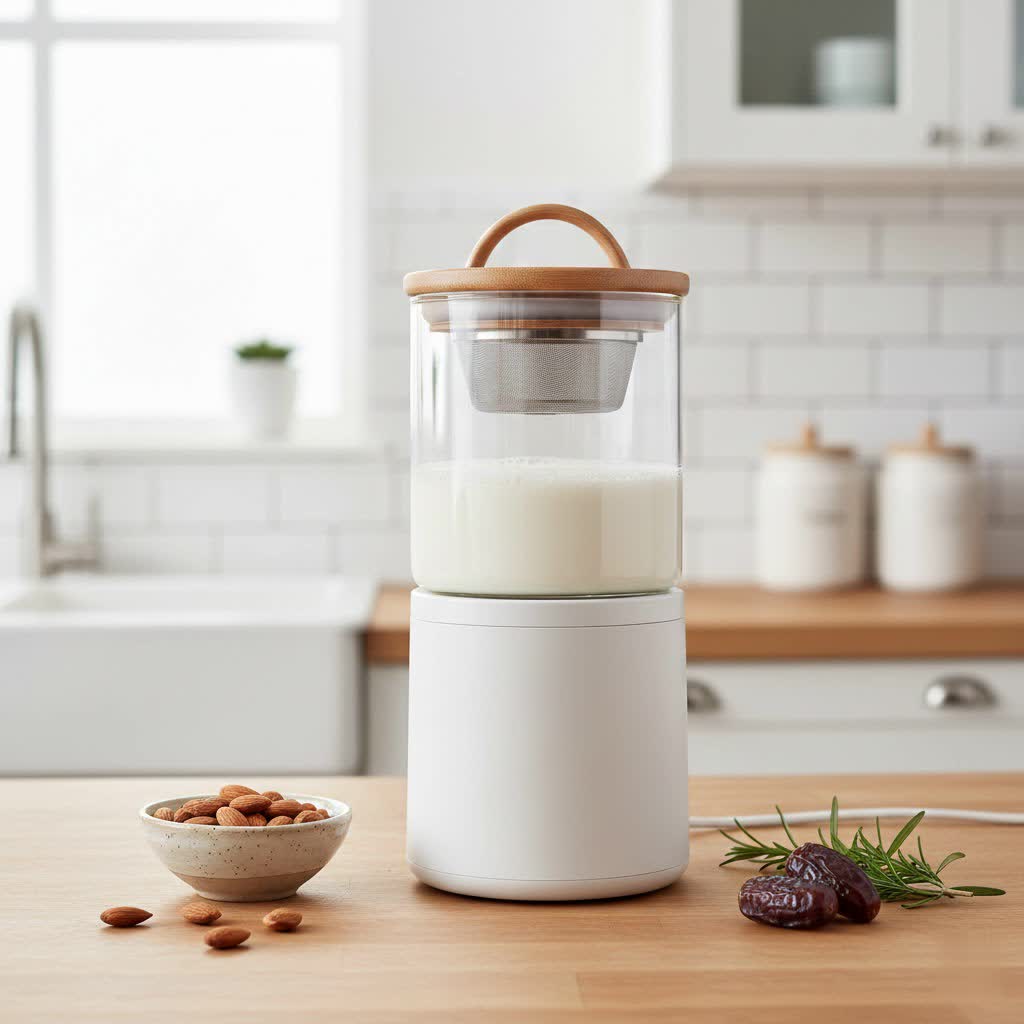
There’s nothing quite like the satisfaction of homemade nut milk – fresh, creamy, and free from additives. But the experience can quickly turn sour when your trusty nut milk maker flashes an enigmatic error code like E1 or E2, halting your production. These codes can be frustrating, leaving you wondering what went wrong and how to get your appliance back on track. Fortunately, many common error messages are simple to diagnose and fix, often stemming from minor operational oversights or basic maintenance needs. This comprehensive guide will demystify the E1 and E2 errors, explaining their typical causes and providing clear, actionable steps to troubleshoot them, helping you resume your plant-based milk journey with confidence.
Understanding Common Nut Milk Maker Errors
Nut milk makers are designed with safety and efficiency in mind, and error codes are often an indication of a protective mechanism at work. They signal that a specific condition required for safe and proper operation has not been met. While the exact meaning of each code can vary slightly between brands, E1 and E2 are frequently associated with fundamental issues that users can often resolve without needing professional assistance. Before diving into specific codes, it’s always a good practice to perform a basic power cycle – unplugging the machine for 5-10 minutes and then plugging it back in – as this can often reset minor glitches. Always consult your appliance’s user manual for brand-specific guidance, but the general troubleshooting steps here apply broadly.
Decoding the E1 Error: Causes and Solutions
The E1 error code on your nut milk maker typically points to issues related to water levels or the machine’s overall setup. It often acts as a safeguard, preventing the machine from operating under conditions that could lead to damage or poor performance.
Insufficient Water or Forgetting to Add Water
Table is empty.One of the most frequent culprits behind an E1 error is simply not adding enough water, or forgetting to add water entirely, to the grinding chamber before starting the machine. When the appliance attempts to heat or grind without adequate liquid, its thermal relay can activate, causing the machine to shut down and display the E1 error to prevent overheating or motor damage.
Solution: Always ensure you add the recommended amount of water according to your specific recipe and machine guidelines. For many models, pouring about 800-1000ml of water into the grinding chamber, alongside your nuts or grains, will resolve this issue. After adding water, select your desired function and press the start button.
Improper Assembly or Placement
Another common reason for the E1 error is that the machine’s parts are not correctly assembled or securely in place. If components like the grinding chamber or lid are misaligned, the machine’s sensors may prevent it from starting, signaling an E1 error.
Solution: Carefully check that all parts of your nut milk maker are correctly and securely assembled. Ensure the grinding chamber is properly seated on the base and that any internal components are fitted snugly. If your machine has multiple detachable parts, confirm each one is aligned as specified in your manual before powering on.
Tackling the E2 Error: Common Scenarios and Fixes
The E2 error code is predominantly associated with issues concerning the machine’s lid or potential moisture around its heating elements. These are critical safety checks that prevent the machine from operating unsafely.
Lid Not Properly Closed or Aligned
The most common cause for an E2 error is an improperly closed or misaligned lid. Nut milk makers often have safety interlocks that require the lid to be perfectly sealed for operation to begin, preventing spills and ensuring efficient processing. If the lid is not securely in place, the machine will beep continuously and display E2.
Solution: Verify that the lid is firmly closed and correctly aligned with the grinding chamber. For many models, this involves placing the lid and then rotating it clockwise until it locks into position, often indicated by an arrow aligning with a lock symbol or an audible click. Ensure there are no obstructions preventing a tight seal.
Water on Heating Plate or Base
Accidental water spillage onto the machine’s heating plate or into the base during cleaning can also trigger an E2 error. Water on these sensitive electrical components can create a short circuit risk, prompting the machine’s safety features to prevent operation and display the error.
Solution: If you suspect water ingress, immediately unplug the machine. If you are comfortable and it’s safe to do so, carefully remove any detachable parts and gently dry the components, especially the heating plate and the machine’s base, using a soft cloth. Allow the machine to air dry completely for several hours (or even a full day) before reassembling and attempting to use it again. If the issue persists or you are unsure about disassembling, it is best to contact customer support or a qualified technician.
“Many seemingly complex appliance errors are actually simple safety warnings. Understanding what these codes mean empowers users to quickly resolve issues and maintain their machines effectively.” – Admin, Reviewyb.com, Appliance Technician
Proactive Maintenance to Prevent Future Errors
Preventing error codes is often simpler than fixing them. Incorporating a few good habits into your nut milk maker routine can significantly extend its lifespan and ensure smooth operation.
- Mind Your Water Levels: Always use the correct amount of water specified for your recipe and machine. Too little can trigger E1, while overfilling can lead to spills and potential E2-related issues if water reaches electrical parts.
- Secure Assembly is Key: Before every use, double-check that all machine parts, especially the grinding chamber and lid, are assembled correctly and securely locked into place. Listen for clicks or ensure alignment marks match up.
- Careful Cleaning: When cleaning your nut milk maker, avoid submerging the main base unit in water. Wipe it down with a damp cloth and be meticulous about preventing water from seeping into the electrical connections or onto the heating plate.
- Don’t Overfill Ingredients: While tempting to make a larger batch, overloading the grinding chamber can stress the motor and affect performance, potentially leading to errors. Stick to the recommended maximum fill lines.
When to Seek Professional Help
While many E1 and E2 errors are user-fixable, there are instances where professional assistance is warranted. If you’ve diligently followed all troubleshooting steps and the error persists, or if you notice any visible damage, smoke, unusual odors, or electrical issues, it’s crucial to stop using the appliance immediately. Attempting repairs beyond basic troubleshooting, especially involving electrical components or internal disassembly (unless explicitly instructed by the manufacturer), can be dangerous and may void your warranty. In such cases, contact the manufacturer’s customer support or a certified appliance repair technician.
Conclusion
Encountering an E1 or E2 error code on your nut milk maker can be a momentary hiccup, but with the right knowledge, it’s often an easy fix. By understanding that E1 typically points to insufficient water or improper assembly, and E2 to lid issues or moisture around the heating element, you can quickly diagnose and resolve these common problems. Consistent proper usage, careful assembly, and diligent cleaning are your best defense against future errors, ensuring your nut milk maker continues to deliver delicious, homemade plant-based beverages for years to come. What fresh nut milk will you create once your machine is running perfectly again?
Frequently Asked Questions
What is the most common cause of an E2 error on a nut milk maker?
The most common cause of an E2 error is the lid not being properly closed or securely aligned. Most Nut Milk Makers feature safety sensors that prevent operation unless the lid is fully sealed, so ensuring a tight, correctly positioned lid will often resolve this error.
Can I fix an E1 error myself?
Yes, in most cases, you can fix an E1 error yourself. It typically indicates either insufficient water in the grinding chamber or improper assembly of the machine’s parts. Adding the correct amount of water or reassembling the components securely usually resolves the E1 error.
How can I prevent error codes on my nut milk maker?
To prevent error codes, always ensure proper water levels, securely assemble all parts before operation, and clean your machine carefully to avoid water getting into electrical areas. Adhering to the manufacturer’s guidelines for filling and assembly will significantly reduce the occurrence of errors.