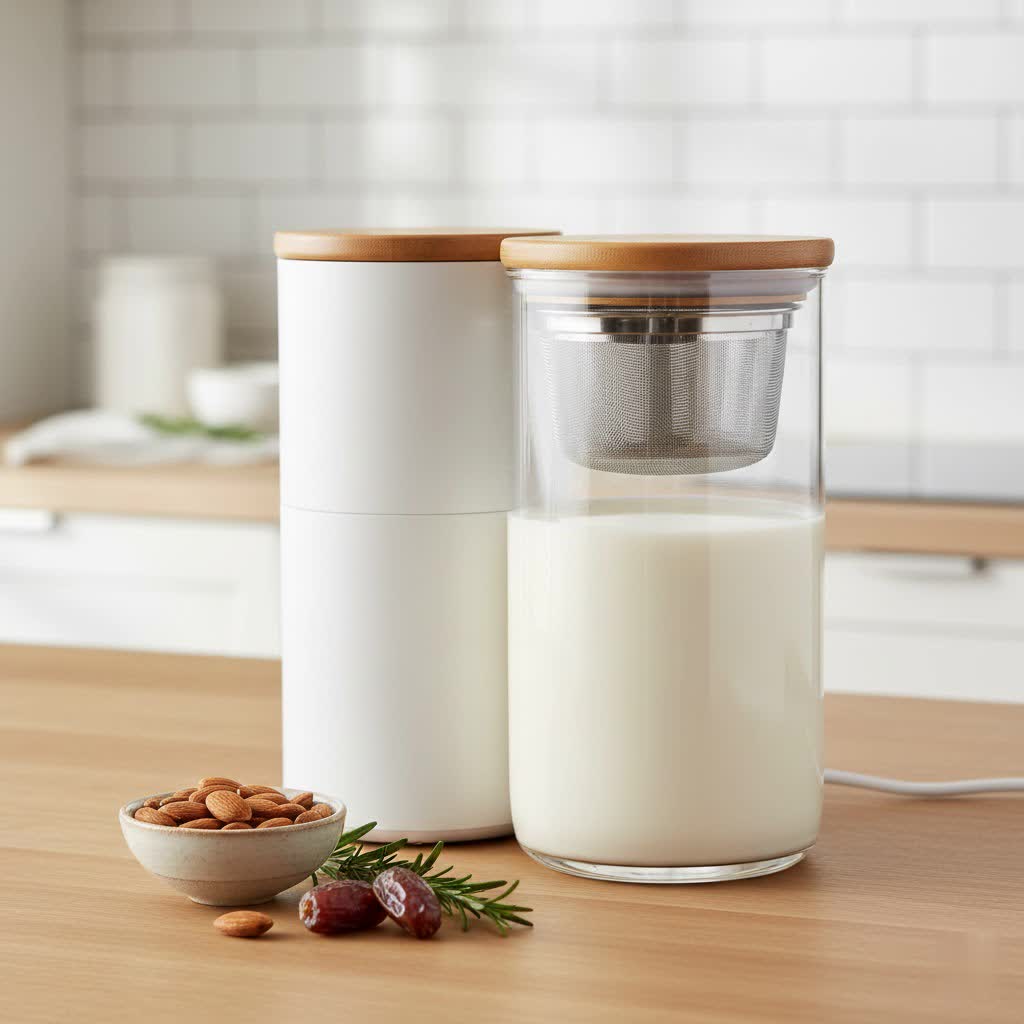
Have you ever wondered why some homemade plant-based milks taste remarkably richer and creamier than others? The secret often lies in one simple yet transformative step: soaking your nuts. Far from just a preliminary chore, soaking is a crucial technique that unlocks both superior texture and enhanced nutritional benefits, elevating your homemade nut milk from good to absolutely glorious. Whether you’re a seasoned enthusiast or just beginning your journey into the world of Nut Milk Makers, understanding this fundamental process is key to crafting the most luscious and digestible plant-based beverages.
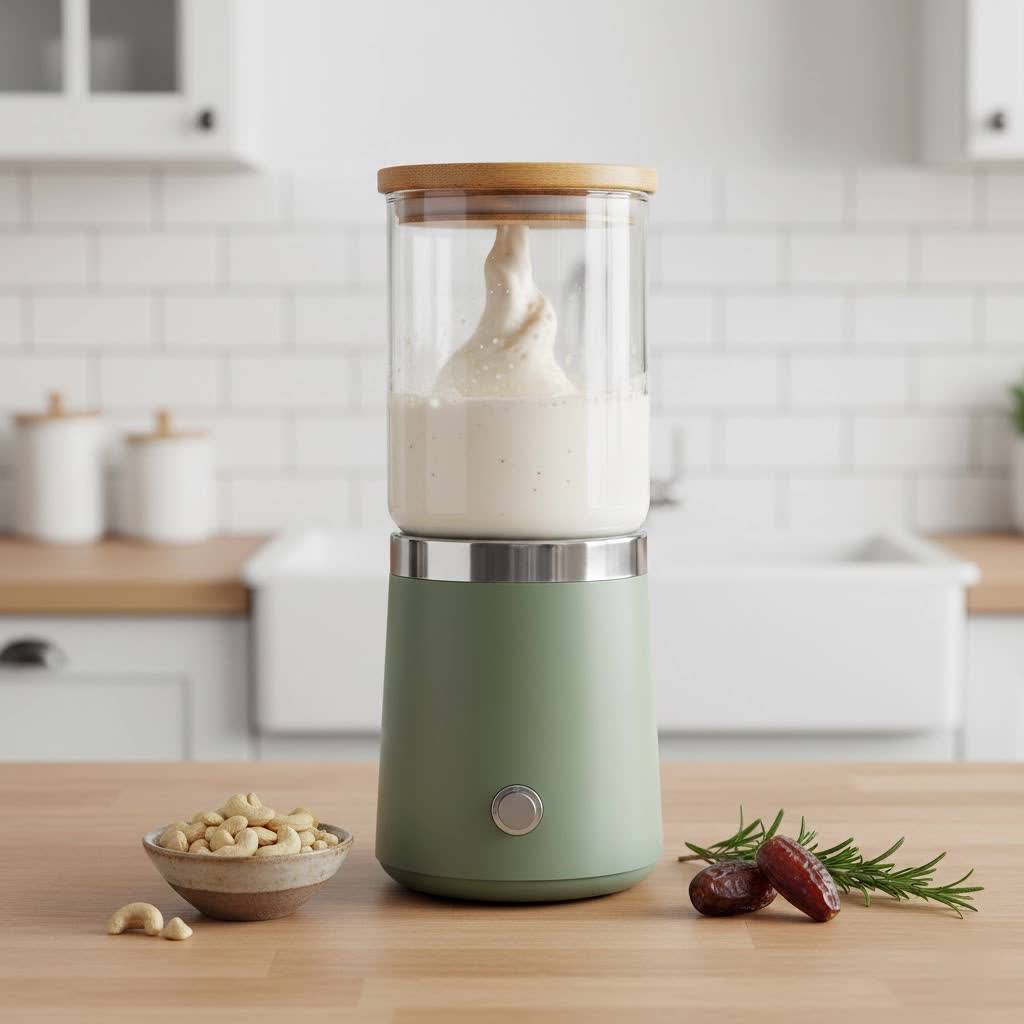
The Science Behind the Soak: Why It Matters for Creaminess and Health
Soaking nuts before blending them is a practice rooted in both culinary excellence and nutritional science. This simple step achieves two primary goals: optimizing the texture of your milk and improving its digestibility and nutrient availability.
Firstly, when nuts are submerged in water for several hours, they become saturated and significantly soften. This crucial transformation allows them to break down into much finer particles during blending. Smaller particles mean a smoother, more uniform emulsion with the water, leading to a noticeably thicker, creamier texture and a richer, more profound flavor in your finished milk. With less fibrous material left behind during the straining process, you achieve a truly luxurious mouthfeel.
Beyond texture, soaking offers significant health advantages. Nuts are nature’s dormant seeds, protected by compounds like enzyme inhibitors and phytic acid. These “anti-nutrients” can make nuts harder to digest and interfere with the absorption of essential minerals in the human gut. Soaking effectively “wakes up” the nuts, neutralizing these inhibitors and phytic acid. This process not only makes the nuts more digestible but also increases the potency of beneficial nutrients, such as B vitamins, and promotes the growth of healthy enzymes vital for a thriving digestive system. It can also help remove any naturally occurring bitter flavors, resulting in a cleaner-tasting milk.
Your Nut Soaking Guide: Times and Techniques
The duration of soaking varies depending on the type of nut, as different nuts have different hardness and protective compounds. While a general rule of “4 hours to overnight” often applies, precise timing can make a significant difference in both digestibility and ultimate creaminess.
To properly soak your nuts, simply place them in a bowl and cover them with filtered water. For enhanced benefits, some experts suggest using warm salted water to activate beneficial enzymes or an acidic solution (like water with a splash of lemon juice or apple cider vinegar) to further neutralize phytic acid. After soaking, always drain the nuts and rinse them thoroughly under fresh, cool water before blending. This step helps remove any released enzyme inhibitors and provides a clean slate for your milk.
Here’s a general guide for soaking various nuts for optimal blendability:
| Nut Type | Soaking Time (for blendability) | Activation Time (for digestibility) | Notes |
|---|---|---|---|
| Almonds | 2 days | 12 hours | One of the most popular choices for nut milk, benefiting greatly from a good soak for texture and flavor. |
| Hazelnuts | 2 days | 12 hours | Soaking helps soften the skin, which can also be removed after soaking for an even smoother milk. |
| Pecans | 1 day | 6 hours | A shorter soak is generally sufficient for pecans. |
| Walnuts | 16 hours | 4 hours | Soaking helps reduce their natural bitterness. |
| Brazil Nuts | 12 hours | 3 hours | While some sources suggest Brazil nuts don’t strictly require soaking for enzyme inhibition, a soak significantly improves their blendability and results in a creamier milk. Over-soaking can sometimes diminish some healthy oils. |
| Cashews | 8 hours | 4 hours | Cashews soften quickly; be careful not to over-soak as they can become slimy and lose some beneficial oils, affecting the final texture and taste. |
| Macadamias | 8 hours | 2 hours | Similar to cashews, macadamias are softer nuts. Soaking primarily benefits texture. Over-soaking can reduce the richness of their healthy oils. |
| Sunflower Seeds | 3 days | 1 day | Seeds generally require longer soaking times than most nuts for optimal blendability and digestibility. |
| Pumpkin Seeds | 1.5 days | 8 hours | A good soak helps reduce the strong, earthy flavor and improve texture. |
| Sesame Seeds | 1.5 days | 8 hours | |
| Hemp Seeds | 0 hours | 0 hours | Hemp seeds do not require soaking, as they are soft and easily blended. |
Note: The “activation time” refers to the minimum soaking duration for improved digestibility, while “soaking time” aims for optimal blendability and creaminess.
It’s crucial to avoid over-soaking nuts, especially softer varieties like cashews and macadamias. Excessive soaking can compromise their flavor and texture, leading to waterlogged nuts and potentially reducing their healthy oil content. It can also encourage fermentation, shortening the shelf life of your homemade milk. During soaking, any nuts that float to the surface should be discarded, as they are often rancid.
Beyond Soaking: Tips for Unrivaled Creaminess
While soaking is foundational, several other techniques can help you achieve that desirable, ultra-creamy plant-based milk:
- Adjust the Nut-to-Water Ratio: For a thicker, more luxurious milk, use a higher ratio of nuts to water. While a common starting point is one part nuts to four parts water, reducing the water to three parts can yield a noticeably creamier result.
- Opt for Raw, Unseasoned Nuts: Roasted or seasoned nuts can introduce unwanted flavors and a harder texture, making them less ideal for creamy milk. Always choose raw, unseasoned nuts. For some nuts, like almonds, blanching and removing the skins after soaking can further refine the flavor and yield a whiter, cleaner milk.
- Invest in a High-Speed Blender: A powerful blender is indispensable for breaking down soaked nuts into the finest possible particles, which is key to a smooth, creamy texture.
- Effective Straining: After blending, strain your nut milk using a fine-mesh nut milk bag or several layers of cheesecloth. This step removes the pulp, leaving you with a silky-smooth liquid. Squeeze thoroughly to extract as much liquid as possible, but be gentle to avoid pushing too much pulp through the mesh.
- Consider Natural Emulsifiers: Homemade nut milk naturally separates in the fridge because water and fats don’t mix permanently without help. A small amount of sunflower lecithin can act as a natural emulsifier, helping the milk stay homogenous and preventing obvious separation.
- Gentle Heating for Thickness: If you desire an even thicker consistency, gently heat your strained nut milk in a saucepan. Bring it to just below boiling point, then reduce the heat to a gentle simmer for about 10 minutes, stirring frequently. This process can significantly increase viscosity, making your milk closer to cream. Remember to heat gently, as boiling can cause the finely ground nut particles to separate and result in a grainy texture.
- Add Healthy Fats: For an extra decadent touch, a tablespoon of liquid coconut oil or a spoonful of canned full-fat coconut cream can be added during blending to boost richness and creaminess.
Troubleshooting Common Nut Milk Challenges
Even with careful preparation, you might encounter a few common issues with homemade nut milk.
- Separation: It’s completely natural for homemade nut milk to separate into a clearer liquid and a denser layer at the bottom when stored in the fridge. Unlike commercial varieties that often contain emulsifiers to prevent this, homemade milk is pure. Simply give your bottle a vigorous shake before each use to reintegrate the components.
- Curdling in Hot Liquids: If you notice your nut milk curdling when added to hot coffee or tea, it’s often due to temperature shock. Emulsions are sensitive to sudden temperature changes. To avoid this, allow your hot beverage to cool slightly before stirring in your homemade nut milk.
- Short Shelf-Life: Homemade nut milk, without the preservatives found in store-bought options, has a shorter lifespan. It’s a trade-off for purity and freshness.
Storing Your Liquid Gold
Homemade nut milk typically lasts for about 3 to 5 days when stored in an airtight container in the refrigerator. Always smell and visually inspect your milk before consuming it; a sour smell or altered texture indicates spoilage. To maximize freshness, ensure your containers are clean and sealed tightly.
As for your unsoaked nuts and seeds, proper storage is vital to prevent rancidity and maintain their quality. Store nuts in airtight containers in the refrigerator, or even the freezer for longer periods, to protect their delicate oils from light and heat. Seeds can generally be kept in cupboards or on shelves, but away from direct light. Hemp seeds are an exception and should always be refrigerated.
Don’t discard the leftover nut pulp! This fibrous byproduct is a versatile ingredient. You can dry it in a low oven to make nut flour, add it to smoothies for extra fiber, incorporate it into baked goods like muffins or cookies, or even use it as a thickener for soups and stews.
Quote:
“Soaking raw nuts makes nuts more digestible and removes bitter flavors without requiring roasting while also increasing the nutritional content of A, B and C vitamins.” – Angie Spuzak, Holistic Nutrition Consultant
Conclusion
Soaking nuts is more than just a recommended step; it’s an essential technique for anyone aiming to create truly exceptional plant-based milk at home. By softening the nuts, enhancing their digestibility, and improving their flavor, you lay the groundwork for a rich, smooth, and nutritionally superior beverage. Experiment with different nuts, soaking times, and the tips for extra creaminess to find your perfect recipe. Why settle for anything less than the creamiest, most wholesome plant-based milk you can make? Unlock the full potential of your nuts and elevate your daily ritual.
Frequently Asked Questions
How long can I store homemade nut milk?
Table is empty.Homemade nut milk typically lasts for about 3 to 5 days when stored in an airtight container in the refrigerator. Unlike commercial milks, it contains no preservatives, so freshness is key.
What causes homemade nut milk to separate?
Separation is a natural phenomenon in homemade nut milk, as it’s an emulsion of fat and water without added stabilizers. The fats will naturally rise to the top over time. Simply shake the container vigorously before use to recombine the layers.
Can I skip soaking the nuts?
While you can blend nuts without soaking, the resulting milk will generally be less creamy, less flavorful, and potentially harder to digest. Soaking significantly improves texture and nutrient availability, making it a highly recommended step.
Do all nuts require soaking for the same amount of time?
No, soaking times vary by nut type. Softer nuts like cashews and macadamias require shorter soaking periods (around 4-8 hours) compared to harder nuts like almonds and hazelnuts (8-12 hours or even longer for full activation). Refer to a soaking guide for specific recommendations.
What can I do with the leftover nut pulp?
The leftover nut pulp is a valuable ingredient! You can dry it to make nut flour, add it to smoothies, use it in baking recipes (muffins, cookies), or incorporate it into savory dishes as a thickener. Store wet pulp in the fridge and use within 2-3 days, or dry it completely for longer storage.