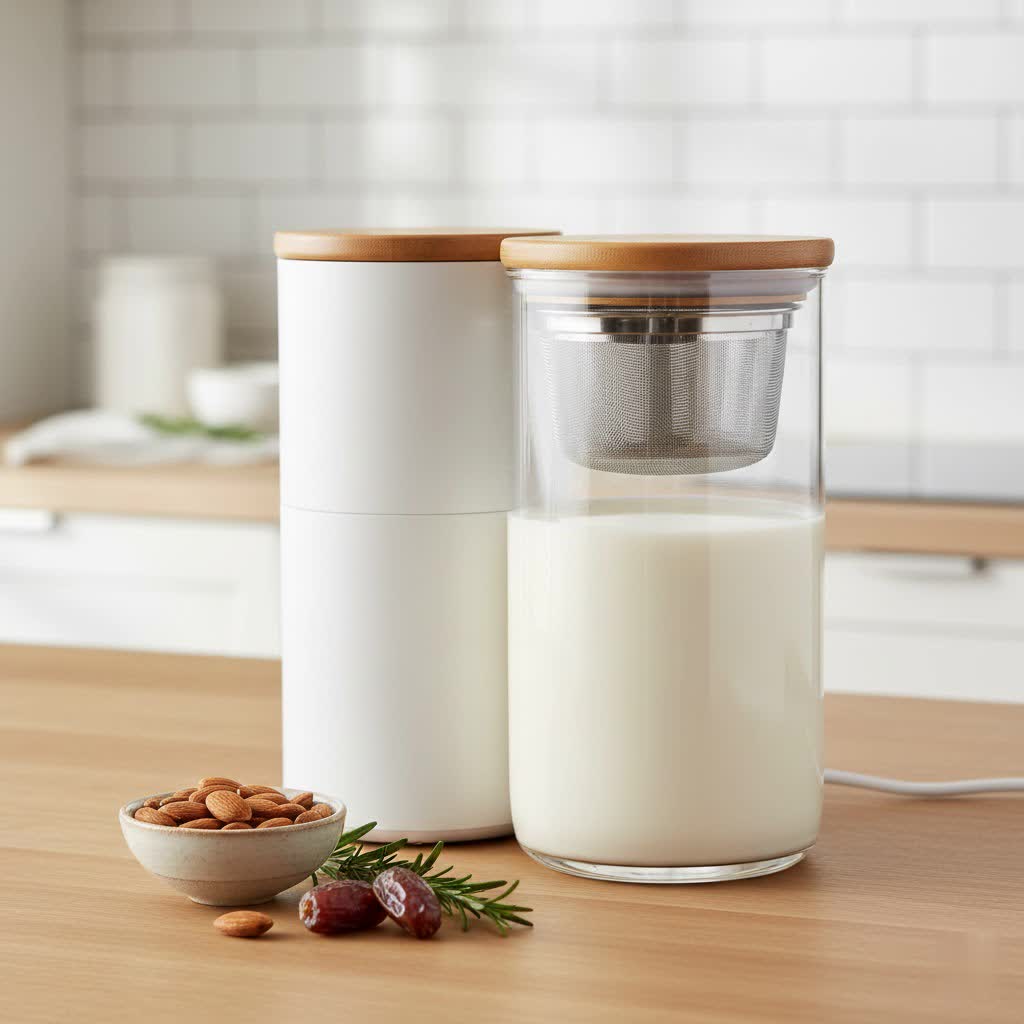
Stepping into the world of homemade plant-based milks opens up a realm of fresh flavors and incredible health benefits, offering a delightful alternative to traditional dairy. Many home chefs are discovering the joy of crafting their own almond, oat, or cashew milk right in their kitchens. If you’re passionate about wholesome ingredients and crave milk free from additives, a high-quality nut milk bag is an indispensable tool, especially when you’re without a dedicated nut milk machine. This guide will walk you through everything you need to know to choose, use, and care for the best nut milk bag, ensuring smooth, delicious results every time.
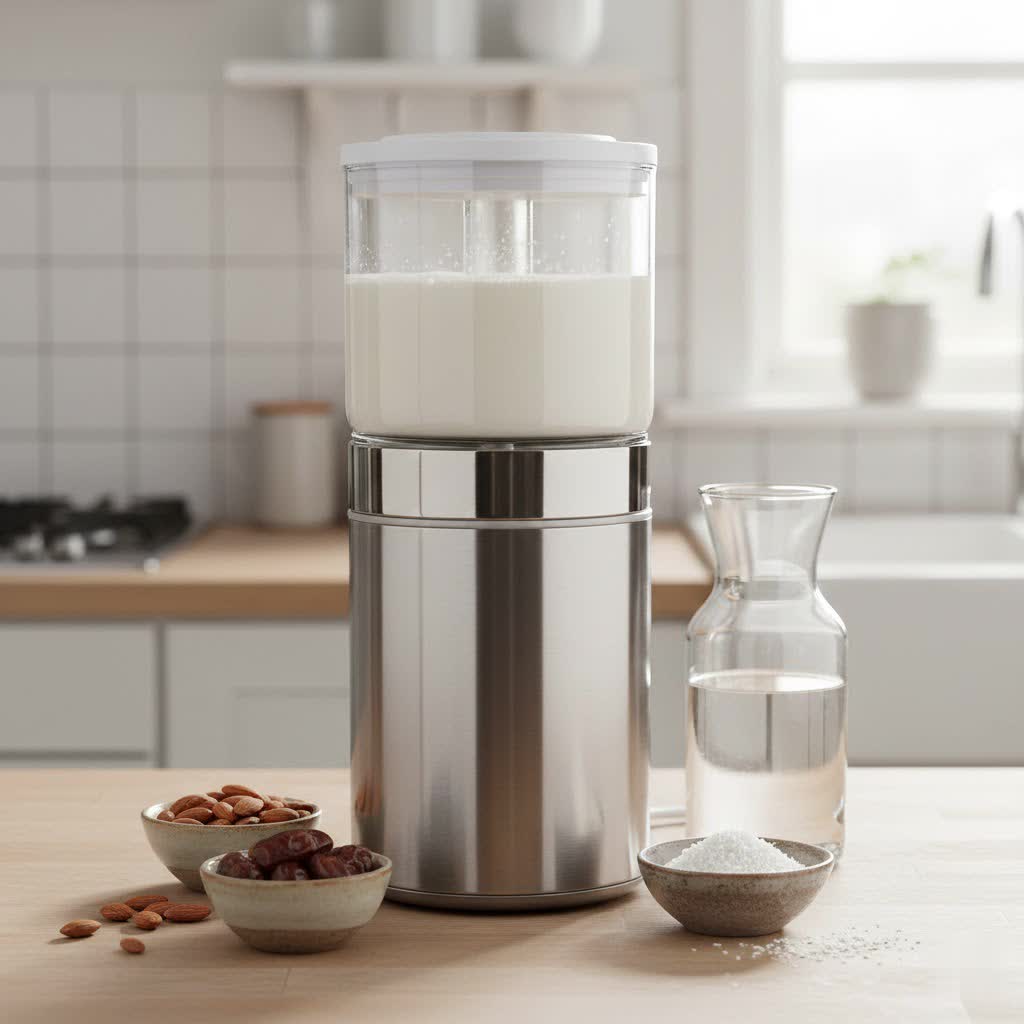
The Wonderful Benefits of Homemade Plant Milks (and Why Straining Matters)
Homemade plant milks have surged in popularity for good reason, offering a nutritious and customizable alternative to dairy. Unlike many store-bought options that can contain stabilizers, sweeteners, and emulsifiers, making your own ensures you know exactly what goes into your glass. You control the ingredients, allowing for fresher flavors and a cleaner nutritional profile.
When comparing homemade plant milk to its store-bought counterparts, the advantages often lean towards the DIY route. Homemade versions are typically richer in nutrients, providing a burst of vitamins, minerals, and antioxidants that contribute to overall well-being. They can be heart-healthy, packed with beneficial unsaturated fats, and gentle on the digestive system for those with sensitivities. While commercial milks are often fortified with calcium and vitamin D, you can still achieve bone health support with homemade versions by incorporating calcium-rich nuts and seeds or supplementing your diet.
A diverse range of nuts and seeds can be transformed into delicious milk, each offering unique nutritional benefits. Almonds are rich in Vitamin E, magnesium, and healthy fats, while cashews provide a creamy texture and good levels of copper and magnesium. Oats are an excellent source of soluble fiber, and hemp seeds are packed with omega-3 fatty acids and protein. For optimal taste and texture, and to remove any fibrous pulp, straining is a crucial step in achieving that silky-smooth consistency everyone loves in homemade plant milk.
Understanding Nut Milk Bags: An Alternative to Machines
A nut milk bag is a simple yet incredibly effective filtration pouch, typically made from finely woven, food-grade fabric. It serves as the primary tool for separating liquid from solid pulp after blending soaked nuts, seeds, grains, or vegetables with water. This reusable kitchen essential stands as a versatile and cost-effective alternative for anyone who wants to make plant-based milks without investing in a specialized machine.
The advantages of using a nut milk bag over a dedicated nut milk machine are manifold. Firstly, it’s significantly more budget-friendly, making homemade milk accessible to everyone. The simplicity of its design means there are no complex parts to break down, no electricity required, and no bulky appliance taking up valuable counter space. Users also gain more control over the straining process, allowing them to squeeze the pulp to their desired dryness and consistency. Beyond nut milks, these bags are incredibly versatile, useful for making cold brew coffee, straining yogurt, juicing, and even sprouting seeds.
Nut milk bags come in a few different types, primarily distinguished by their material and mesh size. Common materials include nylon, cotton, and sometimes hemp. Nylon bags are often lauded for their durability and very fine mesh, while cotton and hemp options appeal to those seeking natural, biodegradable fibers. Mesh size is also a critical factor; finer mesh sizes, typically around 200 microns, ensure a smoother, pulp-free liquid, preventing unwanted grit from passing through into your finished product.
Comparing Popular Nut Milk Bag Materials and Features
When selecting a nut milk bag, the material is a primary consideration, with nylon and organic cotton being the most prevalent choices. Each offers distinct advantages and disadvantages, catering to different user priorities.
Nylon Nut Milk Bags:
- Durability: Known for superior strength, nylon bags can withstand vigorous squeezing without tearing, making them a long-lasting option for frequent use.
- Mesh Size & Drainage: Typically feature a very fine mesh (often 200 microns or finer), ensuring exceptionally smooth, pulp-free milk. Nylon also allows for faster drainage and is less absorbent than natural fibers.
- Ease of Cleaning: Nylon is generally easier to rinse clean, resisting stains and drying quickly, which helps prevent mildew. They often hold their shape well after washing.
- Eco-friendliness: As a synthetic material, nylon is not biodegradable or compostable, which can be a drawback for environmentally conscious consumers. Some users may also report lingering odors after repeated use with strong-flavored ingredients like turmeric.
Cotton (and Hemp) Nut Milk Bags:
- Durability: While durable, cotton and hemp bags may not withstand the same intensity of squeezing over time as nylon, and their weave can sometimes be less consistent.
- Mesh Size & Drainage: Cotton bags typically have a slightly coarser weave than fine nylon, though still effective. They tend to absorb a bit more liquid, which can mean slightly less yield if not squeezed thoroughly.
- Ease of Cleaning: Cotton and hemp are natural fibers that require diligent drying to prevent mildew. They can be more prone to staining but are generally easy to hand wash.
- Eco-friendliness: These are the preferred choice for those prioritizing sustainability. Organic cotton bags are natural, biodegradable, and free from chemicals, bleach, or pesticides.
Beyond material, several design features enhance a nut milk bag’s usability:
- Drawstring Closure: A secure drawstring helps seal the bag, preventing pulp from spilling and making it easier to twist and compress for maximum liquid extraction.
- Shape: Many bags feature a U-shaped or rounded bottom, which eliminates hard-to-clean corners where pulp might get trapped, minimizing waste and simplifying cleaning.
- Size: Bags come in various sizes, from standard (around 10″x12″) to extra-large (up to 18″), accommodating different batch sizes and blender capacities. Larger bags can be particularly beneficial for less mess and fewer straining rounds.
Ultimately, the best material and features depend on your usage frequency, commitment to cleaning, and personal values regarding synthetic versus natural fibers.
How to Choose the Right Nut Milk Bag for Your Needs
Selecting the ideal nut milk bag can seem daunting with various options available, but by considering your specific needs, you can easily narrow down the choices. The right bag will enhance your homemade plant milk experience, making it enjoyable and efficient.
First, determine your usage needs. If you plan to make nut milk frequently, perhaps several times a week, durability should be a top priority. A robust nylon bag with double-stitched seams would likely serve you best, as it can withstand regular squeezing and washing. For occasional use or for making smaller batches of delicate milks, an organic cotton bag could be perfectly adequate. Consider the types of plant milks you’ll be making; finer meshes are excellent for smooth almond or cashew milk, while slightly looser weaves might be fine for oat milk.
Next, consider your budget. Nut milk bags are generally affordable, ranging from $5 to $15. While it might be tempting to opt for the cheapest option, remember that compromising on weave integrity or seam strength can lead to early replacement. A mid-range, well-reviewed bag often offers the best long-term value. Investing a little more upfront can save you frustration and money in the long run.
Finally, prioritize essential features that contribute to a hassle-free experience.
- Fine Mesh: Look for a mesh size of 200 microns or finer to ensure a truly smooth, pulp-free milk. This is crucial for achieving that desirable velvety texture.
- Sturdy Construction: Reinforced seams and durable fabric are key. A strong drawstring is also vital for securely closing the bag and aiding in efficient squeezing.
- Easy-to-Clean Design: Bags with rounded corners or an extra-wide opening are easier to clean, as pulp won’t get stuck in crevices. Materials that rinse clean quickly and dry fast, like nylon, are also a plus for busy individuals.
By focusing on these practical aspects, you can confidently choose a nut milk bag that perfectly suits your homemade plant milk journey.
Masterful Tips for Using and Caring for Your Nut Milk Bag
Mastering the art of using and maintaining your nut milk bag is key to consistently producing delicious, smooth plant milks and extending the life of your essential kitchen tool. With a few simple techniques, you can ensure efficiency and hygiene.
For efficient straining, start by placing your blended nut or seed mixture into the nut milk bag, holding it over a large bowl or pitcher. Instead of squeezing immediately with brute force, gather the top of the bag securely and let gravity do some of the work first. Allow the liquid to drip naturally for a minute or two. Then, gently begin to squeeze the bag from the top down, gradually increasing pressure. It’s often unnecessary to squeeze excessively hard; leaving a little slack in the bag can actually allow the milk to flow out more easily and quickly. Repositioning the pulp inside the bag can also help extract more liquid. The goal is a steady, controlled squeeze to extract the maximum amount of milk without forcing pulp through the fine mesh.
Cleaning and maintenance for longevity are crucial. Immediately after each use, turn your nut milk bag inside out and rinse it thoroughly under running water to remove any coarse pulp residue. A soft brush can help dislodge stubborn particles. If your bag feels oily (common with nuts like cashews), a drop of mild, unscented dish soap can be used for a deeper clean. Rinse it meticulously to ensure no soap residue remains. After cleaning, hang the bag to air dry completely. Proper drying is vital to prevent mildew, especially for natural fiber bags. For an extra layer of sanitation, particularly with cotton bags, boiling the bag for a minute or two every 2-3 uses can eliminate lingering germs. Be cautious with nylon bags and boiling water, as prolonged exposure to high heat can damage the material. Some nylon bags are also top-rack dishwasher safe after an initial rinse, offering added convenience.
Common issues and quick fixes can arise, but they are typically easy to manage. If your bag develops lingering smells from strong ingredients like garlic or turmeric, a soak in a solution of white vinegar or hydrogen peroxide can help neutralize odors. For stains, pre-treating with a mild stain remover (suitable for food contact) or soaking in a natural whitener can be effective. Always ensure the bag is completely dry before storing it to prevent mold and keep it separate from other cooking utensils to avoid cross-contamination.
Top-Rated Nut Milk Bags for Superior Straining (If You Lack a Machine)
For those who prioritize homemade plant milks but lack a dedicated machine, choosing a top-rated nut milk bag is essential for a seamless experience. The market offers several excellent options, each with distinct features that cater to different preferences for design, performance, and durability.
Many users rave about nylon nut milk bags for their robust construction and ultra-fine mesh. Brands like Ellies Best and Pro Quality often receive high marks for their durable, food-grade nylon that ensures no pulp makes it into your milk. These bags are frequently designed with features such as rounded corners and extra-wide openings, which are praised for minimizing waste and making pouring incredibly easy. Their performance is consistently excellent, yielding incredibly smooth milks for everything from almonds to cold brew coffee. The primary advantage of these models is their longevity and ease of cleaning, often being dishwasher safe on the top rack, which saves time.
On the other hand, for those who prefer natural fibers, unbleached organic cotton bags from brands like Hapar or Things & Thoughts are highly regarded. These bags appeal to eco-conscious consumers who want a biodegradable option free from synthetic materials. They are known for their soft texture and sturdy weave, providing a natural alternative for straining. While they may require more diligent cleaning and drying to prevent mildew, their natural composition and ethical sourcing are significant advantages for many home users. Cotton bags typically offer a slightly different straining experience, often requiring a bit more careful squeezing.
When evaluating these top-rated products, key aspects consistently highlighted include:
- Design: Bags with ergonomic shapes, secure drawstrings, and ample size are preferred for ease of use and reduced mess.
- Performance: The ability to achieve a consistently smooth, pulp-free liquid is paramount, directly linked to the mesh fineness and the bag’s ability to withstand squeezing pressure.
- Durability: A high-quality bag should endure numerous uses and washes without fraying, tearing, or losing its shape, representing a sustainable kitchen investment.
Ultimately, whether you lean towards the synthetic durability of nylon or the natural appeal of organic cotton, investing in a well-reviewed nut milk bag ensures a superior straining experience, transforming your blended ingredients into delightful homemade plant-based beverages.
Where to Purchase Reliable Nut Milk Bags
Finding a reliable nut milk bag is crucial for a successful homemade plant milk journey. Thankfully, these versatile kitchen tools are widely available through various retail channels, making them accessible to almost everyone. Knowing where to look and what precautions to take can help you secure a high-quality product.
Retail channels for nut milk bags include both physical stores and online marketplaces. You can often find them in:
- Health Food Stores: Specialty stores focusing on organic and natural products are excellent places to find high-quality, often organic cotton or hemp nut milk bags. Staff at these stores may also offer valuable advice on specific brands and materials.
- Kitchenware and Home Goods Stores: Larger stores that stock a wide range of kitchen tools, particularly those with a focus on healthy cooking or sustainable living, will often carry various types of nut milk bags, including nylon options.
- Online Marketplaces: Platforms like Amazon, Etsy, and dedicated eco-friendly kitchen supply websites offer the broadest selection. This is often where you’ll find the most competitive prices and a vast array of brands and sizes, including popular choices like Ellies Best and Pro Quality.
When buying online to avoid low-quality goods and counterfeits, several tips can guide your purchase:
- Read Reviews: Customer reviews are invaluable. Look for consistent positive feedback regarding durability, mesh quality, ease of cleaning, and overall performance. Pay attention to comments about the bag holding up over time or issues with seams tearing.
- Check Seller Reputation: On large marketplaces, scrutinize the seller’s rating and feedback. Reputable sellers are more likely to offer genuine, high-quality products.
- Material Transparency: Ensure the product description clearly states the material (e.g., “food-grade nylon” or “GOTS-certified organic cotton”) and mesh size (e.g., “200 micron”). Avoid vague descriptions.
- Brand Recognition: While smaller brands can offer excellent quality, established brands often have a track record of reliability and customer satisfaction.
- Return Policy: Verify the seller’s return policy. A hassle-free return option provides peace of mind if the product doesn’t meet your expectations.
By being an informed shopper, you can confidently purchase a reliable nut milk bag that will serve your plant milk making needs for years to come.
Buying Guide: Essential Considerations Before Your Nut Milk Bag Purchase
Embarking on the journey of making your own plant-based milks is rewarding, and choosing the right nut milk bag is a foundational step. Before you make a purchase, consider these crucial factors to ensure you select a tool that perfectly aligns with your culinary needs and preferences.
The material of your nut milk bag significantly impacts its performance and longevity. Nylon bags are celebrated for their exceptional durability, resilience under pressure, and fine mesh that delivers super-smooth milk. They are also generally easier to clean and dry quickly, minimizing the risk of mildew. However, they are synthetic. Organic cotton and hemp alternatives appeal to those seeking natural, biodegradable options, free from synthetic chemicals. These bags are soft and eco-friendly but may require more diligent care to prevent staining and ensure thorough drying. Consider your priorities: do you value ultimate durability and ease of care, or a completely natural and sustainable product?
Mesh fineness is perhaps the most critical technical specification. A finer mesh, typically around 200 microns, is essential for achieving a truly smooth, pulp-free texture, especially with denser nuts like almonds. Bags with coarser meshes might leave some sediment, resulting in a slightly grittier milk. Verify the micron count in the product description to match your desired milk consistency.
Size and reusability are also important. Standard nut milk bags are often around 10×12 or 12×12 inches, which is suitable for most home blenders and batch sizes. If you plan to make larger quantities or use an extra-large blender, an 18-inch bag might be more practical. All quality nut milk bags are designed to be reusable, but their true longevity depends on the material, construction, and proper care. Look for features like double-stitching on seams, which significantly enhances durability and prevents tears over time, ensuring your bag lasts for hundreds of uses.
Finally, selecting reputable brands and suppliers cannot be overstated. Brands known for their quality control and positive customer feedback are more likely to deliver a superior product. Whether you’re purchasing from an online retailer or a physical store, opt for suppliers with transparent product information and clear return policies. An authentic, well-made nut milk bag is an investment that will consistently contribute to delicious, homemade plant milks for years to come.
Conclusion
Embracing homemade plant-based milks is a journey toward healthier, more customized nutrition, and a high-quality nut milk bag makes this endeavor simple and accessible, even without a specialized machine. We’ve explored the diverse benefits of crafting your own milk, from superior nutrient content to avoiding unwanted additives, and detailed why proper straining is vital for that desired silky texture. Understanding the distinctions between durable nylon and eco-friendly cotton bags, coupled with insights into essential features like fine mesh and reinforced construction, empowers you to make an informed choice. By following simple usage and cleaning tips, your chosen nut milk bag will become a long-lasting staple in your kitchen, delivering consistently smooth and delicious results. Why not experience the fresh taste and health advantages of homemade plant milk today?
Frequently Asked Questions
What is the best material for a nut milk bag?
Table is empty.The best material depends on your priorities. Food-grade nylon offers superior durability, very fine mesh for extra-smooth milk, and is easy to clean. Organic cotton or hemp bags are natural, biodegradable, and eco-friendly, appealing to those who prefer natural fibers.
How do I clean my nut milk bag properly?
Immediately after use, turn the bag inside out and rinse thoroughly under running water to remove pulp. Use a mild, unscented dish soap if there are oily residues, then rinse completely. Air dry the bag completely to prevent mildew. Some nylon bags are top-rack dishwasher safe.
Can I use a nut milk bag for things other than nut milk?
Absolutely! Nut milk bags are incredibly versatile. They are excellent for making cold brew coffee, straining yogurt or kefir, extracting juice from fruits and vegetables, making herbal infusions, or even sprouting seeds.
How often should I replace my nut milk bag?
With proper care, a high-quality nut milk bag can last for hundreds of uses. Signs it’s time for a replacement include fraying, tearing, persistent odors that won’t wash out, or a noticeable decrease in straining efficiency.
What mesh size is best for a nut milk bag?
For the smoothest, pulp-free plant milk, a fine mesh size of around 200 microns is generally recommended. This fineness prevents even tiny particles from passing through, ensuring a silky texture.
Is making nut milk with a bag better than using a machine?
Using a nut milk bag is often more cost-effective and provides greater control over the straining process, allowing for customized texture. While machines offer convenience, bags are simple, require no electricity, and are easy to store, making them a fantastic minimalist option.
Can I make oat milk with a nut milk bag?
Yes, nut milk bags are perfect for making oat milk. They effectively strain the oat pulp, resulting in a smooth, creamy beverage. Just be mindful not to over-blend oats, as this can create a slimy texture regardless of the straining method.