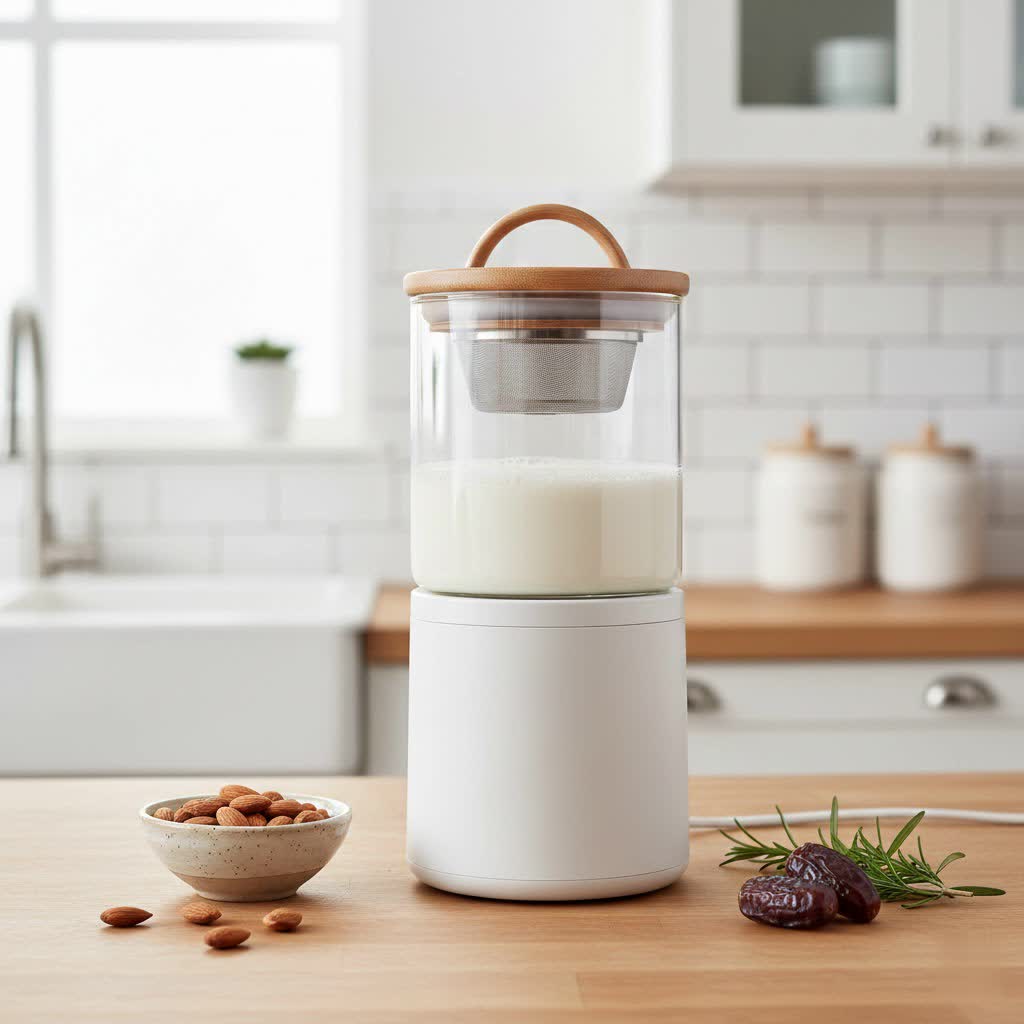
The world has embraced plant-based milks with open arms, moving beyond traditional dairy for a myriad of reasons, from health benefits to environmental concerns. However, the convenience of store-bought alternatives often comes with a hidden cost: added sugars, preservatives, and thickeners, not to mention the recurring expense. This shift has fueled a growing interest in homemade plant milk, promising purer ingredients and long-term savings. Enter the Almond Cow, a sleek kitchen appliance designed to simplify this process. But with a significant price tag, the burning question remains: Is the Almond Cow truly worth the investment for your kitchen?
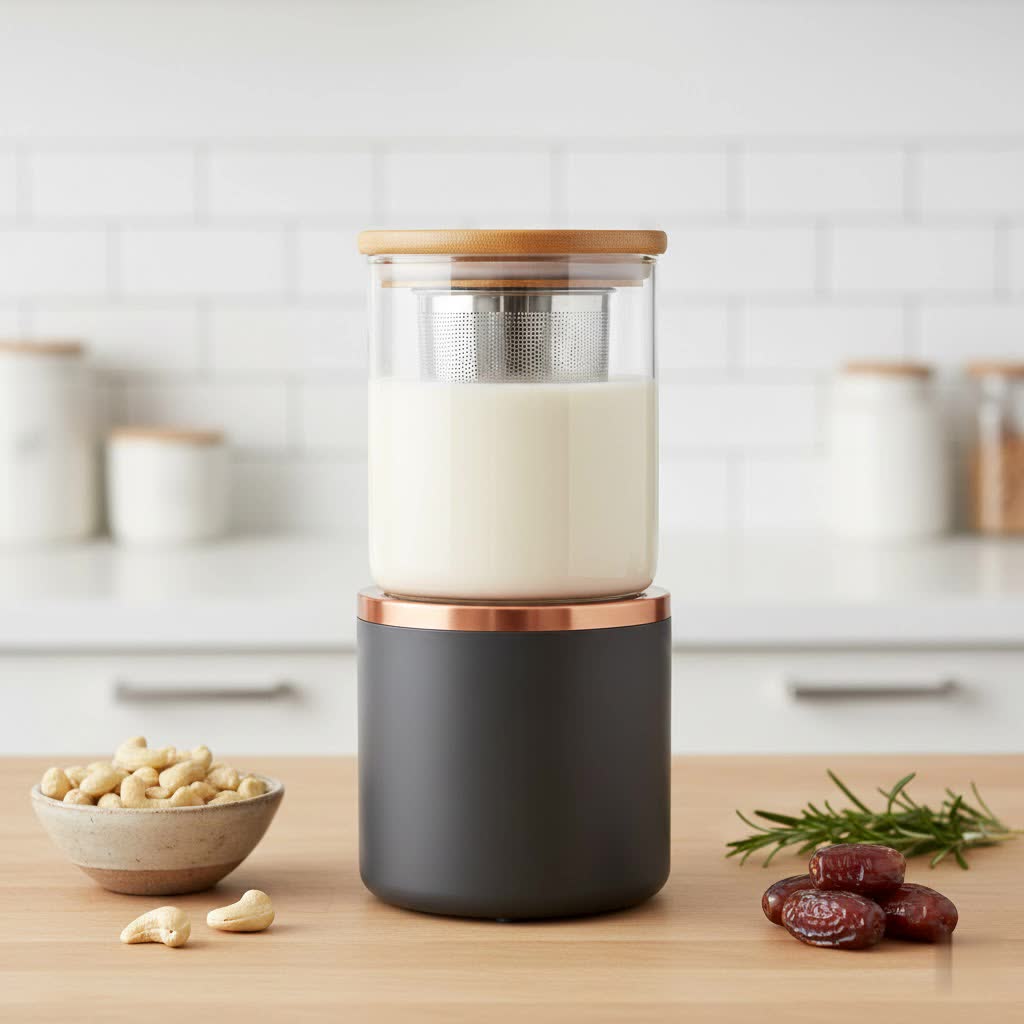
The Rise of Plant-Based Milk and Why Homemade Matters
Plant-based milks like almond, oat, and cashew have become staples in countless households, offering a delicious and versatile dairy-free alternative. They are often lauded for their lower calorie count, absence of cholesterol, and suitability for those with lactose intolerance or dairy allergies. Beyond personal health, many choose plant milks for their reduced environmental footprint compared to traditional dairy. Yet, commercially produced plant milks frequently contain a long list of additives, stabilizers, and artificial flavors, compromising their natural goodness. Making your own at home ensures complete control over ingredients, allowing you to create fresh, pure, and wholesome beverages tailored to your taste and dietary needs.
What Exactly is the Almond Cow? Features and How it Works
The Almond Cow is an innovative plant-based milk maker that elegantly streamlines the process of crafting homemade nut, seed, or grain milk. Designed with a modern aesthetic, it resembles an electric kettle, making it a stylish addition to any countertop. Its core appeal lies in its simplicity: a single-button operation that transforms raw ingredients into fresh milk in under a minute, eliminating the need for soaking or messy straining with nut milk bags.
At its heart, the machine features a powerful motor and a unique blending and filtration system. You place your chosen ingredients—such as almonds, oats, or cashews—into a stainless steel filter basket, which is then attached to the lid. Water is added to the base, and with the press of a button, the Almond Cow blends and extracts the milk, separating the liquid from the pulp. This intuitive design ensures a smooth, ready-to-drink beverage without any additional steps.
Almond Cow Pros: The Case for Investing
For many, the benefits of the Almond Cow far outweigh its initial cost, making it a truly valuable kitchen appliance.
- Speed and Convenience: The standout feature is its ability to produce fresh plant milk in as little as 60 seconds. This rapid process, coupled with its one-button operation, means no more overnight soaking of nuts or tedious straining through cheesecloth. It’s a game-changer for busy individuals seeking fresh milk on demand.
- Ingredient Control & Health Benefits: With the Almond Cow, you have absolute authority over what goes into your milk. This means no artificial sweeteners, gums, carrageenan, or preservatives often found in store-bought varieties. You can create pure, wholesome milk, retaining maximum nutritional value from your chosen nuts or seeds.
- Versatility of Ingredients: While named “Almond Cow,” this machine is far from a one-trick pony. It can effortlessly make milk from a wide array of ingredients, including almonds, cashews, oats, pecans, soy, coconut, hemp seeds, and even rice. This flexibility allows for endless experimentation and customization of flavors and textures.
- Long-Term Cost Savings: Although the upfront cost is significant, the Almond Cow can lead to considerable savings over time. Raw ingredients are often much cheaper than continually purchasing cartons of premium plant milk, especially for regular consumers. Many users find it pays for itself within a year or two.
- Sustainability: Embracing the Almond Cow significantly reduces your environmental footprint. By making your own milk, you drastically cut down on single-use plastic and Tetra Pak cartons, contributing to a more sustainable lifestyle.
- Pulp Utilization: The machine leaves behind a nutrient-rich pulp, which is not waste but a valuable byproduct. This pulp can be incorporated into a variety of recipes, such as baked goods, energy balls, crackers, or even savory dishes, adding fiber and flavor. The Almond Cow website even provides a range of inspiring pulp recipes.
- Ease of Cleaning: Most components of the Almond Cow are designed for easy cleaning. The jug and filter basket are often dishwasher-safe, or can be quickly rinsed by hand, simplifying post-milk-making cleanup.
Almond Cow Cons: Weighing the Drawbacks
Despite its many advantages, potential buyers should also consider the less favorable aspects of the Almond Cow.
- High Initial Price Tag: This is arguably the most significant barrier for many consumers. Retailing around $245, it represents a substantial investment compared to a basic blender or even other plant milk makers like the Nutr, which can be found for less. This cost must be weighed against individual usage frequency and budget.
- Noise Level: Some users report that the Almond Cow can be quite loud during its blending cycle. While the process is quick, the noise might be a consideration for those living in smaller spaces or with sleeping family members.
- Countertop Space: While designed to be relatively compact, the Almond Cow still requires dedicated kitchen space for storage and operation. For those with limited kitchen real estate, this could be a factor.
- Pulp Leftover: While many appreciate the option to use the pulp, for others, it might be perceived as an additional step or an unwanted byproduct if they have no intention of incorporating it into other recipes.
Almond Cow vs. The Alternatives: Blender & Nutr
When considering a plant-based milk maker, it’s natural to compare the Almond Cow to other methods and machines available.
-
Traditional Blender: A standard high-speed blender is a common alternative.
- Pros: Much more affordable, highly versatile for other kitchen tasks (smoothies, soups), and many households already own one.
- Cons: Requires a separate nut milk bag for straining, which can be messy and adds an extra step. The consistency might also vary, and the process is generally more hands-on.
- When is Almond Cow better? If convenience, speed, and mess-free operation are top priorities, the Almond Cow clearly surpasses a blender for milk making.
-
Nutr Machine: The Nutr is another popular dedicated plant milk maker that offers a more compact design.
- Pros: Significantly smaller and more portable, generally more affordable (around $169), and some models offer additional functions like heating.
- Cons: Has a much smaller capacity (around two cups per cycle) compared to the Almond Cow’s six cups, meaning frequent batches for larger households.
- When is Almond Cow better? For individuals or couples who consume smaller quantities of milk, or prioritize portability, the Nutr might be appealing. However, for families or those who consume plant milk regularly and in larger volumes, the Almond Cow’s capacity offers greater efficiency.
Ultimately, the Almond Cow excels in providing a streamlined, high-capacity, and mess-free experience specifically for plant milk creation, making it a superior choice for dedicated users compared to these alternatives.
Is the Almond Cow Worth the High Price Tag? The Verdict
After weighing the numerous advantages against the few drawbacks, the question of whether the Almond Cow is “worth it” largely depends on your lifestyle, consumption habits, and priorities.
It is most worth it for:
- Frequent Plant Milk Consumers: If you regularly go through several cartons of plant milk a week, the long-term cost savings and consistent access to fresh, additive-free milk make the Almond Cow an excellent investment.
- Health-Conscious Individuals: Those who prioritize knowing exactly what goes into their food and drink, avoiding artificial ingredients, will find immense value in the control the Almond Cow offers.
- Convenience Seekers: If you value speed, ease of use, and a mess-free process over manual methods, the one-button operation and strain-free design will be highly appreciated.
- Environmental Advocates: For those committed to reducing waste and promoting sustainability, the Almond Cow is a practical step towards a greener kitchen.
It might not be worth it for:
- Occasional Users: If you only consume plant milk sporadically, the initial investment might be hard to justify.
- Budget-Conscious Buyers: While it saves money over time, the upfront cost is a hurdle that might steer some towards cheaper blender methods or store-bought options.
- Those Unconcerned with Additives: If the ingredients in commercial plant milks don’t bother you, or if you don’t mind the manual process of a blender, the Almond Cow might seem unnecessary.
“The Almond Cow empowers you to reclaim control over your diet, transforming simple ingredients into nourishing, customized beverages without compromise. It’s an investment in health, convenience, and sustainability.”
Tips for Maximizing Your Almond Cow Experience
To truly get the most out of your Almond Cow, consider these tips:
- Experiment with Ingredients: Don’t limit yourself to just almonds. Explore oats for creamy lattes, cashews for rich bases, or even custom blends with dates or vanilla for added flavor.
- Utilize the Pulp: View the leftover pulp as a bonus ingredient. Incorporate it into oatmeal, smoothies, energy bars, or savory dishes to reduce food waste and boost nutrition.
- Proper Cleaning and Maintenance: Follow the cleaning instructions diligently, especially for the filter basket, to ensure the longevity and optimal performance of your machine. A quick rinse immediately after use makes cleanup effortless.
Conclusion
The Almond Cow stands out as a powerful and convenient solution for making fresh, homemade plant-based milk. While its initial price point is higher than conventional blenders or some smaller Nut Milk Makers, its unparalleled speed, ease of use, and ability to deliver pure, additive-free beverages make a compelling case for its value. For regular consumers of plant milk who prioritize health, convenience, and sustainability, the Almond Cow is more than just an appliance; it’s an investment that pays dividends in quality, control, and peace of mind.
Are you ready to transform your plant milk experience and take control of your ingredients?
Frequently Asked Questions
How much does an Almond Cow typically cost?
Table is empty.The Almond Cow generally retails around $245, placing it at the higher end of kitchen appliances for plant milk making. Prices can vary based on sales or bundles.
What types of milk can you make with the Almond Cow?
The Almond Cow is highly versatile, capable of making milk from a wide range of nuts (almonds, cashews, pecans), seeds (hemp, pumpkin), and grains (oats, rice), as well as coconut milk.
Is the Almond Cow easy to clean?
Yes, the Almond Cow is designed for easy cleanup. Its main components, including the stainless steel jug and filter basket, are often dishwasher-safe or can be quickly rinsed and wiped clean.
Can I use the leftover pulp from the Almond Cow?
Absolutely! The leftover pulp is a valuable byproduct rich in fiber and nutrients. It can be used in various recipes like baked goods, crackers, energy bites, or even added to smoothies and oatmeal.
Is the Almond Cow really faster than using a blender to make nut milk?
Yes, the Almond Cow is significantly faster and more convenient than a blender for making nut milk. It produces ready-to-drink milk in about 60 seconds without any straining, whereas a blender method typically involves soaking ingredients and then manually straining the milk through a nut milk bag.