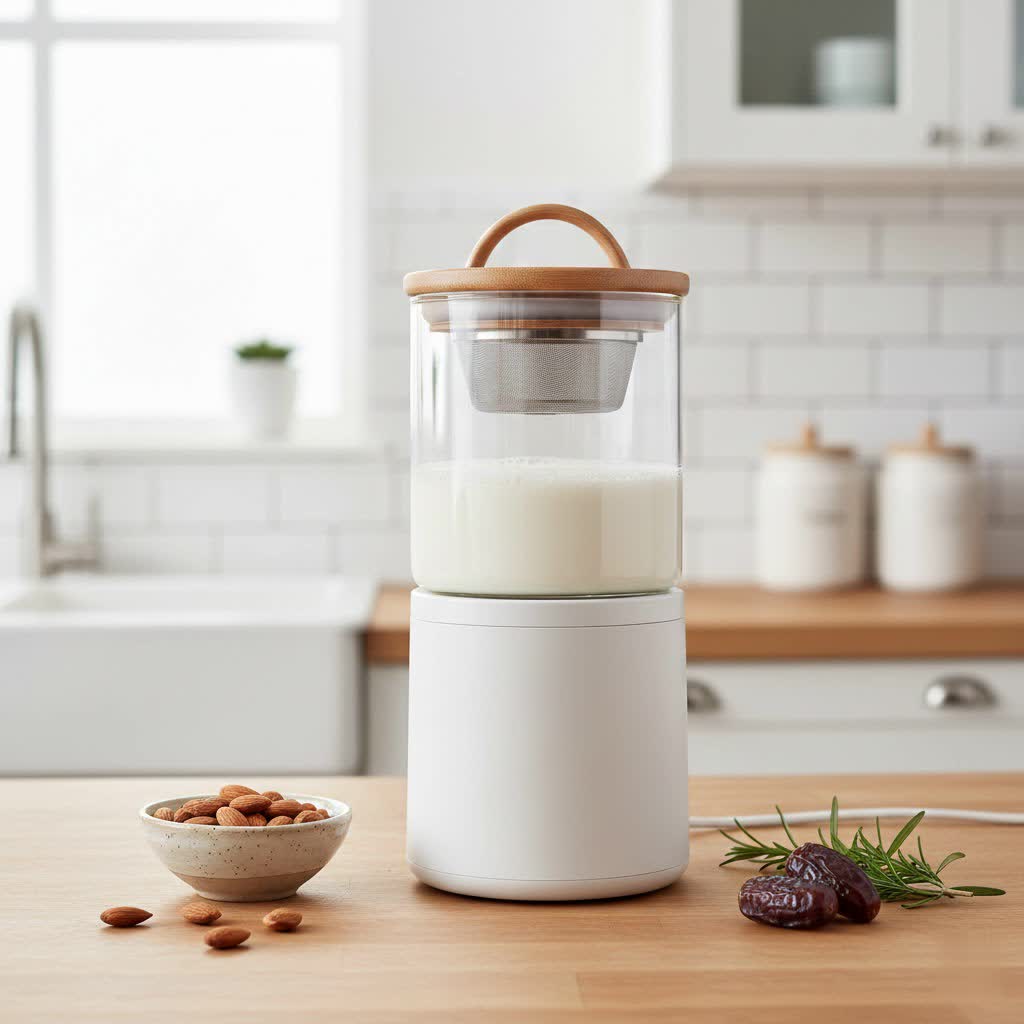
The world has embraced plant-based milk with open arms, moving beyond traditional dairy for reasons ranging from dietary preferences to environmental consciousness. As more individuals seek healthier, sustainable alternatives, the appeal of crafting fresh nut and seed milks at home grows stronger. This shift has led to a surge in innovative kitchen appliances designed to simplify the process. Among the latest contenders making waves is the Milky Plant machine, promising to transform your kitchen into a personal plant milk bar. But does this all-in-one gadget truly live up to the hype? This comprehensive review delves into its features, performance, benefits, and drawbacks to help you decide if the Milky Plant is the right investment for your plant-based journey.
The Rise of Plant-Based Milk and the DIY Movement
Plant-based milks have transcended niche diets to become a mainstream staple, driven by increasing awareness of health benefits, ethical considerations, and environmental impact. Consumers are actively seeking alternatives to cow’s milk, often turning to options like almond, oat, soy, and cashew milk. While store-bought varieties offer convenience, they frequently contain additives, preservatives, and emulsifiers that many prefer to avoid. This desire for purity and control over ingredients has fueled a robust DIY movement, with enthusiasts opting to make their own plant milks from scratch. Homemade versions typically boast a fresher taste, a cleaner ingredient list, and a significantly reduced environmental footprint by eliminating single-use cartons and transportation.
Introducing the Milky Plant Machine: What Is It?
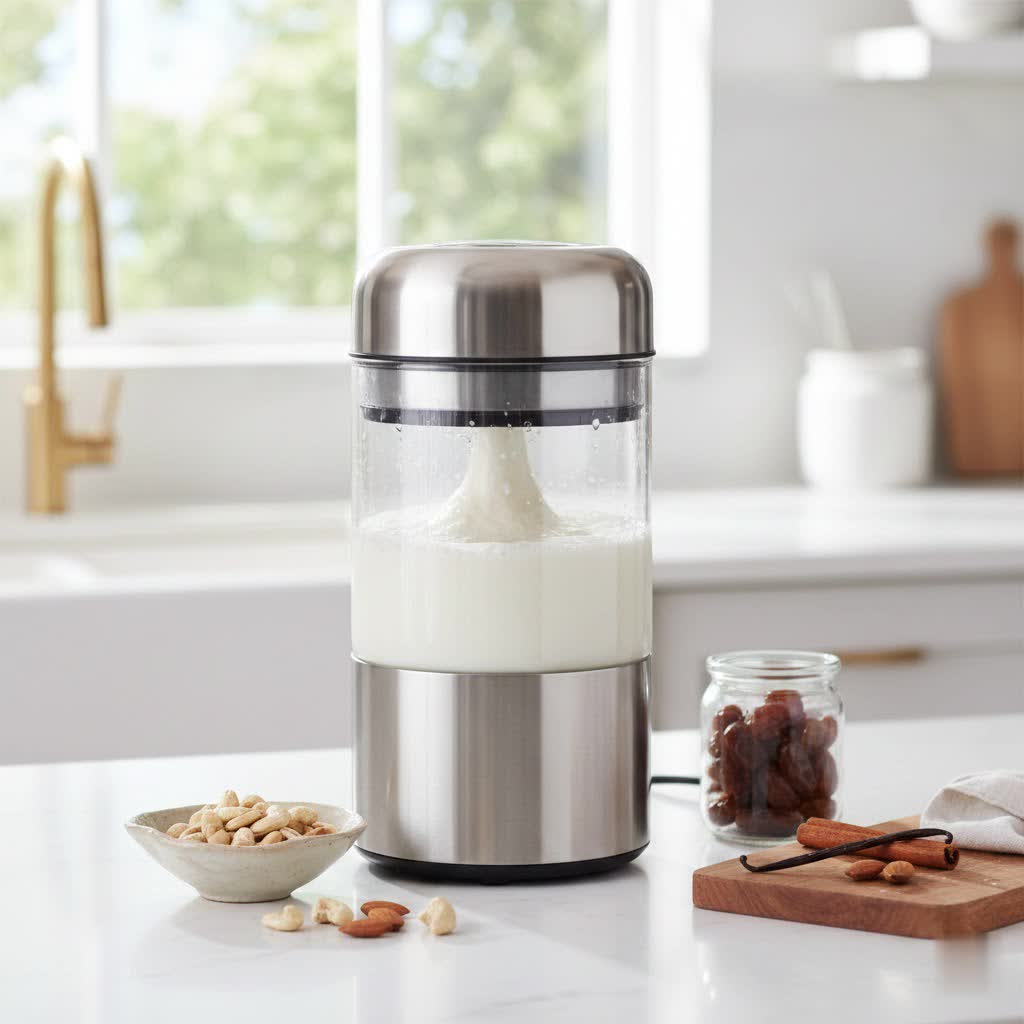
The Milky Plant is a sleek, modern kitchen appliance designed to streamline the homemade plant milk process. It functions as an all-in-one blender and strainer, taking raw ingredients and water to produce fresh plant-based milk in minutes. Its intuitive design aims to simplify what can often be a messy and time-consuming task involving traditional blenders and nut milk bags. The machine features a grinder at the top where ingredients are added, which then blends them with water and passes the liquid through an integrated filter to remove pulp, delivering a smooth, ready-to-drink beverage. Aesthetically, it’s designed to fit seamlessly into contemporary kitchens, often compared in size and presence to an espresso machine.
Unpacking the Experience: Design, Setup, and Daily Use
From the moment it arrives, the Milky Plant emphasizes a commitment to sustainability with its almost entirely plastic-free packaging. Inside the cardboard box, users find the main unit, a user manual, seed paper, and a single glass bottle with a metal cap, along with a handy metal measuring scoop. Setting up the Milky Plant is remarkably straightforward, requiring minimal assembly: simply position the water container, insert the drip tray, and place the filtering sieve/cup. Once your chosen ingredients are measured (typically 80g) and placed in the blending compartment and secured, it’s an approximate three-minute wait until 500ml of fresh plant-based milk is ready. This quick turnaround makes it an appealing option for daily use, integrating smoothly into morning routines.
Performance Deep Dive: Taste, Texture, and Variety
The Milky Plant excels in producing fresh and flavorful plant milks. Users consistently report that the homemade milk tastes superior and fresher than many store-bought alternatives, largely due to the absence of artificial additives. Cashew milk, for instance, is often praised for its immediate deliciousness. However, the initial consistency can vary; some milks, particularly almond and oat, may taste a bit watery straight out of the machine and benefit from chilling in the fridge for an hour or so to achieve a creamier texture.
The machine offers impressive versatility, capable of making milk from a wide array of ingredients including almonds, oats, cashews, coconut, soy, rice, hemp, and even less common options like pea and potato. The accompanying recipe book encourages experimentation, allowing users to create unique blends such as chocolate oat milk or vanilla almond milk. For those seeking additional nutritional benefits, the brand offers “Fortify Me,” a plant-based mixing powder. While versatile, the Milky Plant has some limitations: frothing for coffee might result in splitting for certain milk types, and ingredients rich in mucilage like flax and chia seeds can block the filter if overloaded, limiting specific recipe aspirations. The machine is also particular about ingredient volume, with overloading often leading to beeping alerts.
The Real-World Impact: Cost Savings and Environmental Benefits
One of the most compelling arguments for the Milky Plant is its potential for long-term cost savings. While the initial investment of around £290-£340 is significant, analyses suggest that the machine can pay for itself within approximately 180 uses, or less than a year for a regular household. Making oat milk at home, for example, can cost as little as £0.42 per liter compared to store-bought prices that can reach up to £2.50 per liter, potentially saving users hundreds of pounds annually.
Beyond financial benefits, the Milky Plant makes a tangible contribution to environmental sustainability. By making milk at home, consumers drastically reduce their reliance on single-use Tetra Pak cartons, which are notoriously difficult to recycle in many regions. The brand further reinforces its eco-conscious ethos by offering an end-of-life recycling program for the machine itself, ensuring components are reused and upcycled rather than contributing to landfill waste. This commitment aligns perfectly with the growing consumer demand for planet-friendly products and practices.
Beyond the Box: Key Features and Considerations
The Milky Plant boasts several features that enhance its user-friendliness and overall appeal. Its self-cleaning function is a standout, simplifying post-use maintenance by running a 60-second cycle that leaves the machine sparkling. While some users might opt for a more thorough manual clean after every use, adhering to the recommended instructions makes upkeep minimal. Another noteworthy aspect is the ability to repurpose the leftover pulp in various recipes, such as granola or biscuits, or simply adding it to compost, ensuring zero waste.
However, potential buyers should be aware of a few considerations. The machine can be a little noisy during operation, akin to a standard smoothie maker. Its medium size also means it requires a dedicated spot on the kitchen counter, which might be a drawback for those with limited space. The yield per cycle is 500ml, which can be sufficient for small households or individual daily use, but larger families consuming more than a liter daily might find batch-making somewhat laborious, as it requires refilling the water tank, emptying the pulp, and rinsing the filter between cycles.
Milky Plant vs. Traditional Methods: Is It Worth the Investment?
When comparing the Milky Plant to traditional methods like using a regular blender and a nut milk bag, the key differentiator is convenience. The Milky Plant eliminates the need for messy straining and often tedious pre-soaking of nuts, making the process significantly quicker and cleaner. For those who value ease of use, minimal cleanup, and a streamlined approach, the Milky Plant clearly excels.
However, traditional methods offer more flexibility for larger batch sizes and for crafting highly concentrated or “creamy” milks, which the Milky Plant’s fixed ingredient volume and filter design may not easily accommodate. The upfront cost of a Milky Plant is also a substantial investment compared to an inexpensive nut milk bag or an existing blender. Therefore, for individuals who consume large quantities of plant milk, prioritize ultra-thick consistency, or are on a tight budget and already own a capable blender, exploring traditional methods first might be a more suitable entry point into homemade plant milk. For those who prioritize convenience, freshness, and sustainability and are willing to invest, the Milky Plant presents a compelling solution.
Customer Perspectives: The Good, The Bad, and The Delays
Customer feedback for Milky Plant is largely positive regarding the core product experience. Users frequently praise the machine’s ease of use, the fresh and delicious taste of the milk it produces, and its positive environmental impact. Many appreciate the control over ingredients and the ability to customize flavors.
However, a recurring theme in some customer reviews, particularly on platforms like Trustpilot, revolves around mixed experiences with customer service and logistical issues. While some customers report smooth transactions and quick support, a notable number have highlighted concerns such as significant delivery delays, unfulfilled orders, difficulties with returns or refunds, and slow or unresponsive customer support, especially when dealing with faulty units. These operational inconsistencies are an important factor for potential buyers to consider, suggesting that while the product itself is innovative, the overall brand experience can be inconsistent.
Who is the Milky Plant Best For?
The Milky Plant is ideally suited for a specific demographic of plant-based milk consumers. It’s an excellent choice for:
- Health-Conscious Individuals: Those who prioritize knowing exactly what goes into their food and beverages, avoiding preservatives, emulsifiers, and unnecessary additives.
- Eco-Conscious Consumers: People actively looking to reduce their carbon footprint and minimize single-use plastic waste from milk cartons.
- Convenience Seekers: Busy professionals or families who want the benefits of homemade plant milk without the mess and time commitment of traditional methods.
- Explorers of Flavor: Individuals eager to experiment with a wide variety of nuts, seeds, and flavors beyond typical supermarket offerings.
- Small to Medium Households: Given its 500ml yield per cycle, it’s most efficient for those who consume moderate amounts of plant milk daily.
“The Milky Plant represents a significant leap forward in making homemade plant milk accessible and appealing. It addresses the core desire for fresh, clean ingredients while also tackling environmental concerns. For the right user, it’s a truly transformative kitchen addition.” – Dr. Eleanor Vance, Food Science Innovator
Conclusion
The Milky Plant machine stands out as an innovative and convenient solution for making fresh, delicious plant-based milk at home. It simplifies a traditionally laborious process, offering unparalleled ease of use, a clean ingredient list, and significant environmental benefits by reducing packaging waste. While it represents a premium investment and has minor considerations such as batch size and initial milk consistency, its ability to produce customized, additive-free milk quickly makes it a compelling contender in the world of plant-based living. For those who value fresh taste, health, sustainability, and kitchen convenience, and are prepared for the upfront cost, the Milky Plant is a worthy addition that could genuinely enhance your daily routine.
Are you ready to embrace the freshness and control that homemade plant milk offers, or does the initial investment give you pause?
Frequently Asked Questions
How does the Milky Plant machine compare to a regular blender for making plant milk?
|
Our Picks for the Best Nut milk maker in 2026
As an Amazon Associate I earn from qualifying purchases.
|
||
| Num | Product | Action |
|---|---|---|
| 1 | Nut Milk Maker, AlfaBot N2 Automatic Almond Milk Machine for Homemade Plant-Based Milk, Oat, Soy, Yogurt, 5 Modes/35OZ Big Capacity Soy Milk Maker with Delay Setting and Self Cleaning (Cream) |

|
| 2 | 8-in-1 Automatic Nut Milk Maker Blender, 40.6oz Homemade Almond, Oat, Coconut, Soy, Plant-Based & Non-Dairy Milks, Soybean Machine with Delay Start, Keep Warm, Self-Cleaning & Boil Water Functions |
|
| 3 | 50.73oz Nut Milk Maker Machine: 12-in-1 Automatic Soy Milk Maker with Detachable Design, Homemade Juice,Almond,Oat Milks for Plant-Based Milks, 24H Delay Start/Keep Warm/Auto-Clean/Safety Lock |
|
| 4 | 8-IN-1 IAGREEA Nut Milk Maker Machine, 35 oz Soy Milk Maker, Oat, Soy, Plant Based and Dairy Free Beverages, Juice, 2H Keep Warm Countertop Blender, 10 Blades, 12H Delay Start, BPA-Free, Self-Cleaning |
|
| 5 | KIDISLE 32oz Automatic Soy Machine for Homemade Almond, Oat, Coconut, Soy, Plant Based Milks and Non Dairy Beverages with Delay Start/Keep Warm/Self-Cleaning/Boil Water, Black |
|
| 6 | ChefWave Milkmade Soy Milk Maker – 6-in-1 Plant-Based Milk Machine for Almond, Oat, Soy, Cashew, Coconut & Macadamia – No Soaking, Auto-Clean, Delay Start, Glass Pitcher – White |
|
| 7 | Nut Milk Maker, 40 Oz 8 in 1 Homemade Automatic Plant-Based Milk, Soy Milk, Oat Milk, Almond Milk & More Multifunctional/12 Hours Timer/Auto-Clean/Room Temp/Keep Warm/Boil/Room Temp/Low-Noise |
|
| 8 | Automatic Nut Milk Maker, 35 oz(1000ml) Homemade Almond, Oat, Soy, Plant-Based Milk and Dairy Free Beverages, Almond Milk Maker with Delay Start/Keep Warm/Boil Water, Soy Milk Maker with Nut Milk Bag |
|
| 9 | 35oz Nut Milk Maker, Compact Soy Milk Maker with 12 Blades, Automatic Almond Oat Milk Machine, Hot & Cold Functions,12H Timer, Auto Clean, Keep Warm, White Batch Plant-Based Milk Maker |
|
| 10 | EanOruus Juicer Machines, 3-in-1 Cold Press Juicer with 6.5" Extra Large Chute, 100oz Large Capacity, AC Motor, Makes Juice, Nut Milk & Sorbet, Premium Gray |
|
The Milky Plant offers an all-in-one solution that grinds, blends, and strains, eliminating the need for pre-soaking and messy nut milk bags, common with traditional blenders. This makes the process much quicker and cleaner, though a regular blender can offer more flexibility in batch size and milk concentration.
Can I make hot plant milk with the Milky Plant?
The Milky Plant primarily produces cold or room-temperature milk. If you need hot plant milk, you would need to gently heat the freshly made milk on a stovetop or in a microwave after it’s been produced by the machine.
What ingredients can I use in the Milky Plant?
The Milky Plant is versatile and can process a wide range of ingredients including almonds, oats, cashews, coconut, soy, rice, hemp, and even certain vegetables like potatoes. It is generally recommended to use the provided recipe book and follow ingredient guidelines to ensure optimal performance and avoid issues like filter blockage with mucilage-rich seeds.
Is the Milky Plant difficult to clean?
No, the Milky Plant features a convenient self-cleaning function that runs a 60-second cycle to clean the internal components. While the filter needs to be emptied after each use, the overall cleaning process is designed to be much simpler and less messy than traditional methods.
How much plant milk does the Milky Plant make in one go?
The Milky Plant has a capacity to produce approximately 500ml of fresh plant-based milk per cycle. This yield is suitable for individual daily consumption or small households, but for larger quantities, multiple cycles would be required.