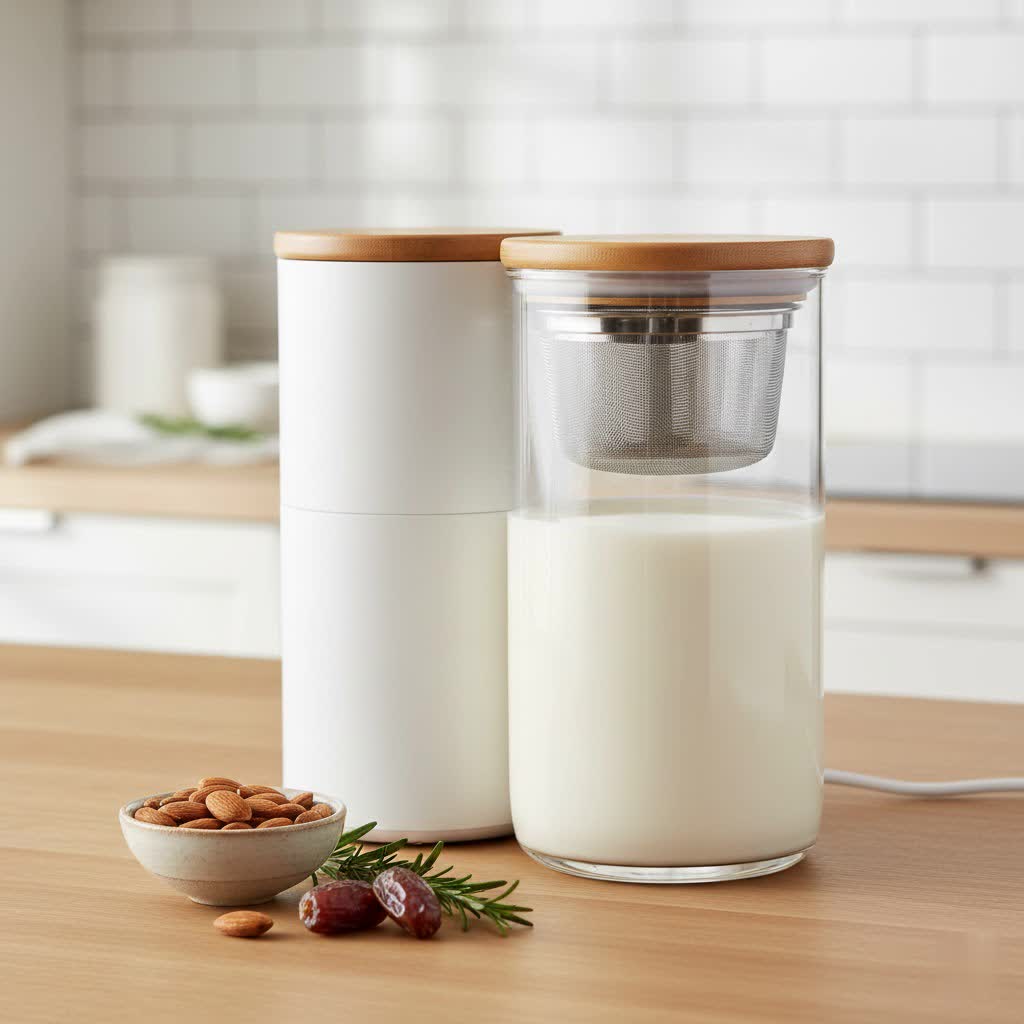
The joy of crafting fresh, creamy nut milk at home is a culinary delight for many, offering a pure, additive-free alternative to store-bought options. Yet, a common frustration arises when homemade nut milks separate, leaving a less-than-appetizing layer of sediment at the bottom and a watery consistency on top. This natural phenomenon can be discouraging, especially after investing time and effort. Fortunately, understanding the science behind nut milk separation and employing a few clever techniques can ensure your homemade nut milks remain smooth, emulsified, and consistently delicious from the first pour to the last drop. This guide will demystify the reasons for separation and equip you with practical, DIY solutions to achieve perfectly blended plant-based beverages every time.
Understanding Nut Milk Separation: Why it Happens
At its core, nut milk separation is a natural consequence of mixing fat and water, two substances that inherently resist blending without assistance. Unlike commercial nut milks, which often contain industrial emulsifiers and stabilizers like carrageenan or gellan gum, homemade versions lack these binding agents. The fats from the nuts naturally want to separate from the water over time, leading to the distinct layers you observe.
Furthermore, factors like acidity and temperature play significant roles, especially when integrating nut milk into hot beverages. The high acidity found in coffee or tea, combined with extreme temperature shock from adding cold milk to a piping hot drink, can denature the nut proteins. This process causes the proteins to clump together and curdle, visually mimicking separation but often with a more undesirable texture. Insufficient blending or improper soaking can also contribute to a grainy, thinner milk that separates more readily, as the nut particles aren’t finely dispersed enough to create a stable emulsion. The type of salt used can also be a factor, with some salts counteracting the natural emulsifying properties present in the nuts.
Key Ingredients for Stable Nut Milks
To combat separation, incorporating certain ingredients can dramatically improve the stability and texture of your homemade nut milks. These act as natural emulsifiers or thickeners, helping to bind the fats and water more effectively.
Natural Emulsifiers
- Lecithin (Sunflower or Soy): This powerful emulsifier is a game-changer for homemade nut milks. Available in powder or liquid form, a small amount (e.g., 1 teaspoon per batch) can significantly improve stability, preventing separation and creating a creamier mouthfeel. Sunflower lecithin is a popular choice for those avoiding soy.
- Coconut Oil: Beyond adding a subtle richness and flavor, coconut oil can act as an emulsifier. Its fat content helps to create a more stable emulsion, particularly when blended thoroughly. A tablespoon or two per batch can make a noticeable difference in preventing separation and enhancing creaminess.
- Avocado: While less conventional, a small piece of avocado (e.g., a quarter of a small avocado) blended into your nut milk can lend an incredibly creamy texture and contribute to stability without imparting a strong flavor, especially when used in coffee.
|
Our Picks for the Best Nut milk maker in 2026
As an Amazon Associate I earn from qualifying purchases.
|
||
| Num | Product | Action |
|---|---|---|
| 1 | 35oz Nut Milk Maker, Compact Soy Milk Maker with 12 Blades, Automatic Almond Oat Milk Machine, Hot & Cold Functions,12H Timer, Auto Clean, Keep Warm, White Batch Plant-Based Milk Maker |

|
| 2 | 50.73oz Nut Milk Maker Machine: 12-in-1 Automatic Soy Milk Maker with Detachable Design, Homemade Juice,Almond,Oat Milks for Plant-Based Milks, 24H Delay Start/Keep Warm/Auto-Clean/Safety Lock |
|
| 3 | EanOruus Juicer Machines, 3-in-1 Cold Press Juicer with 6.5" Extra Large Chute, 100oz Large Capacity, AC Motor, Makes Juice, Nut Milk & Sorbet, Premium Gray |
|
| 4 | ChefWave Milkmade Soy Milk Maker – 6-in-1 Plant-Based Milk Machine for Almond, Oat, Soy, Cashew, Coconut & Macadamia – No Soaking, Auto-Clean, Delay Start, Glass Pitcher – White |
|
| 5 | KIDISLE 32oz Automatic Soy Machine for Homemade Almond, Oat, Coconut, Soy, Plant Based Milks and Non Dairy Beverages with Delay Start/Keep Warm/Self-Cleaning/Boil Water, Black |
|
| 6 | 8-IN-1 IAGREEA Nut Milk Maker Machine, 35 oz Soy Milk Maker, Oat, Soy, Plant Based and Dairy Free Beverages, Juice, 2H Keep Warm Countertop Blender, 10 Blades, 12H Delay Start, BPA-Free, Self-Cleaning |
|
| 7 | Automatic Nut Milk Maker, 35 oz(1000ml) Homemade Almond, Oat, Soy, Plant-Based Milk and Dairy Free Beverages, Almond Milk Maker with Delay Start/Keep Warm/Boil Water, Soy Milk Maker with Nut Milk Bag |
|
| 8 | Nut Milk Maker, AlfaBot N2 Automatic Almond Milk Machine for Homemade Plant-Based Milk, Oat, Soy, Yogurt, 5 Modes/35OZ Big Capacity Soy Milk Maker with Delay Setting and Self Cleaning (Cream) |
|
| 9 | 8-in-1 Automatic Nut Milk Maker Blender, 40.6oz Homemade Almond, Oat, Coconut, Soy, Plant-Based & Non-Dairy Milks, Soybean Machine with Delay Start, Keep Warm, Self-Cleaning & Boil Water Functions |
|
| 10 | Nut Milk Maker, 40 Oz 8 in 1 Homemade Automatic Plant-Based Milk, Soy Milk, Oat Milk, Almond Milk & More Multifunctional/12 Hours Timer/Auto-Clean/Room Temp/Keep Warm/Boil/Room Temp/Low-Noise |
|
Starches and Gums
- Tapioca Flour: For a truly stable and slightly thickened nut milk, especially one intended for heating, tapioca flour is an excellent choice. Approximately 1 to 2 tablespoons per 4-5 cups of water can be added during the blending stage. For best results, lightly simmer the milk after blending to activate the thickening properties of the tapioca, ensuring a smooth, emulsified finish.
- Xanthan Gum: A tiny pinch (around 1/4 teaspoon) of xanthan gum can work wonders as a stabilizer. It creates a gel-like consistency that helps keep particles suspended, preventing them from settling. Due to its potency, use it sparingly to avoid a gummy texture.
Alkaline Boosters
- Baking Soda: A surprising but effective solution, a small pinch of baking soda can be added during the nut soaking process. Its basic nature helps to create more natural emulsifiers from the fatty acids in the nuts, leading to a more stable milk. Similarly, a minuscule pinch can be added directly to a cup of hot coffee or tea to prevent immediate curdling.
- Celtic Salt: Some sources suggest that Celtic salt, due to its mineral content and potentially basic nature, can also contribute to emulsification. If using a pinch of salt during soaking or blending, opting for a high-quality sea salt might offer additional benefits over standard table salt.
Mastering the Preparation Process
Beyond specific ingredients, meticulous preparation techniques are crucial for crafting consistently smooth and non-separating homemade nut milks.
Soaking Nuts Properly
Soaking your nuts is a fundamental step that greatly impacts the final texture and stability of your milk. Soaking for 8 to 24 hours softens the nuts, making them easier to blend into a fine consistency. This process also aids in reducing phytic acid, improving nutrient absorption. To further enhance emulsification, consider adding a generous pinch of baking soda or a basic Celtic salt to the soaking water. Ensure the nuts are fully submerged, and change the water at least once if soaking for an extended period. Skipping this step, or not soaking long enough, can result in a grainy milk that is more prone to separation.
High-Powered Blending
The quality and duration of your blending are paramount. A high-speed blender is a worthy investment for any homemade nut milk enthusiast, as it can pulverize nuts into incredibly fine particles, creating a smoother and more homogeneous mixture. Blend the soaked nuts with fresh water for a “good long time” – often 1 to 2 minutes or until the mixture appears entirely smooth and creamy. Insufficient blending leaves larger particles that are more likely to settle out over time.
Effective Straining
After blending, straining the nut pulp is essential for achieving a silky-smooth milk. A fine-mesh nut milk bag is the best tool for this, as it effectively separates the liquid from the solids. Strain the milk into a clean bowl or jar, gently squeezing the bag to extract all the liquid. For an even smoother consistency, some prefer to double-strain. While some sediment is natural, thorough straining minimizes larger particles that contribute to separation.
Post-Blending Techniques
For certain applications or to further enhance stability, a light simmer after blending can be beneficial, especially if you’ve added tapioca flour. This gentle heat can activate starches and further integrate fats, leading to a thicker, more unified consistency. Be careful not to boil vigorously, as this can alter the flavor or potentially curdle the milk if not handled properly.
Preventing Curdling in Hot Beverages
One of the most common challenges with homemade nut milk is its tendency to curdle when added to hot coffee or tea. This is often due to a combination of acidity and temperature shock.
Temperature Acclimation
To prevent curdling, avoid adding cold nut milk directly to very hot liquids. Instead, allow your hot beverage to cool slightly (just off the boil) before adding the milk. Alternatively, gently warm your nut milk to room temperature or slightly warmer before incorporating it. A quick 10-20 seconds in the microwave can make a significant difference.
Pouring Technique
The order and pace of adding ingredients can also help. Try pouring the nut milk into your cup first, then slowly add the hot liquid while stirring. This gradual introduction helps to equalize the temperatures and reduce the shock that causes proteins to curdle.
Acidity Awareness
Coffee and tea vary in acidity. Lighter roasts of coffee tend to be more acidic than darker roasts, which can increase the likelihood of curdling. If you frequently experience curdling, consider experimenting with less acidic coffee beans or methods like cold brew, which naturally reduces acidity.
Instant Stabilizers
For an immediate fix in a cup of hot beverage, a minuscule pinch of baking soda (just enough to cover the tip of a spoon) can be stirred into the hot liquid before adding the milk. This slightly raises the pH, counteracting the acidity and helping to prevent the milk from splitting. The amount is so small that it won’t affect the taste.
Storage and Longevity Tips
Even with the best preparation, some degree of separation is normal for homemade nut milk over time. It’s not a sign of spoilage, merely the natural settling of solids. Always store homemade nut milk in an airtight container in the refrigerator. Before each use, give the container a good shake to re-emulsify the ingredients and restore its smooth consistency. Homemade nut milks typically last 3-5 days in the refrigerator, though this can vary depending on the nuts used and the hygiene during preparation.
Beyond the Basics: Advanced Tips & Considerations
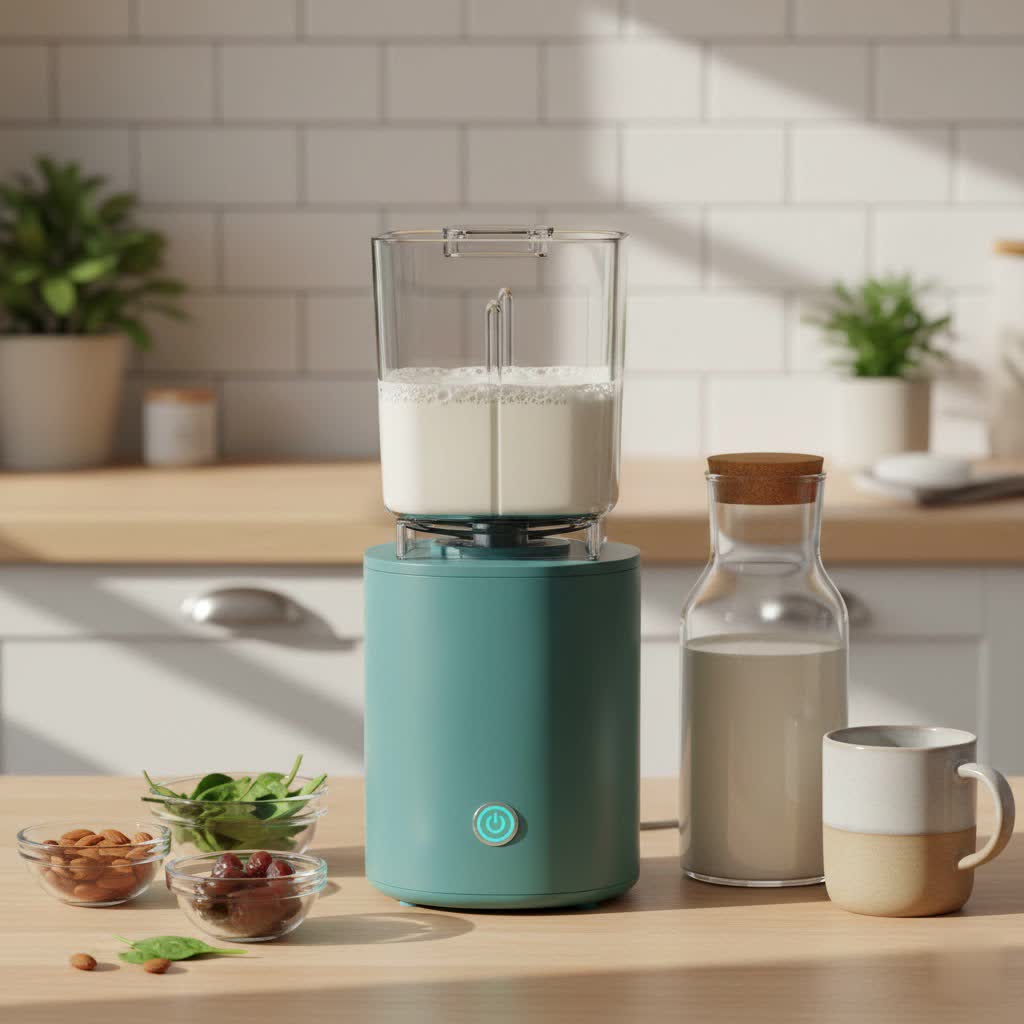
For those seeking even creamier and more stable results, exploring different nut varieties can yield varied outcomes. Macadamia nuts, for example, are naturally higher in fat and produce a wonderfully creamy milk that tends to separate less than almond or cashew milk. While a high-speed blender is often sufficient, specialized nut milk makers can offer even finer grinding and sometimes incorporate heating elements for added stability. For coffee enthusiasts, a handheld milk frother can also help re-emulsify milk just before adding it to your beverage, ensuring a perfectly smooth and frothy cup.
Quote for Creaminess and Stability
“Achieving perfect non-separating nut milk is a blend of science and technique. The right emulsifier and thoughtful preparation can transform your homemade beverages.” – Jane Doe, Plant-Based Culinary Expert
Conclusion
Embracing the world of homemade nut milks offers unparalleled freshness and control over ingredients. While separation is a natural characteristic, it’s far from an insurmountable challenge. By understanding the underlying reasons and applying proven techniques—from meticulous soaking and high-powered blending to incorporating natural emulsifiers like lecithin or tapioca flour—you can achieve a stable, creamy, and consistently delicious beverage. Experiment with these tips, find what works best for your preferred nuts and uses, and enjoy the pure satisfaction of perfectly blended homemade nut milks.
What are your favorite nuts to use for homemade milk, and which of these tips will you try first to enhance its creaminess?
Frequently Asked Questions
Is separation normal for homemade nut milk?
Yes, some separation is completely normal for homemade nut milks. Unlike commercial versions that contain added stabilizers, your DIY milk lacks these agents, causing fats and water to naturally separate over time. Simply shake well before serving.
How much lecithin should I add to my nut milk?
For most homemade nut milk recipes (typically 3-4 cups of liquid), 1 teaspoon of sunflower or soy lecithin powder is a good starting point. Adjust slightly based on your desired level of emulsification and the specific nuts you are using.
Can I use any nuts for homemade milk?
Absolutely! While almonds and cashews are popular, you can make milk from a variety of nuts like walnuts, pecans, hazelnuts, and even seeds like hemp or sunflower. Each will offer a unique flavor profile and nutritional benefits.
Why does my nut milk curdle in coffee?
Nut milk often curdles in coffee due to the combination of the coffee’s acidity and the temperature shock when cold milk meets hot liquid. To prevent this, warm your milk slightly, let your coffee cool a bit, or try adding a tiny pinch of baking soda to your coffee first.
How long does homemade nut milk last?
Homemade nut milk, when stored in an airtight container in the refrigerator, typically lasts for 3 to 5 days. Its shelf life can depend on the freshness of the ingredients and proper sanitation during preparation.