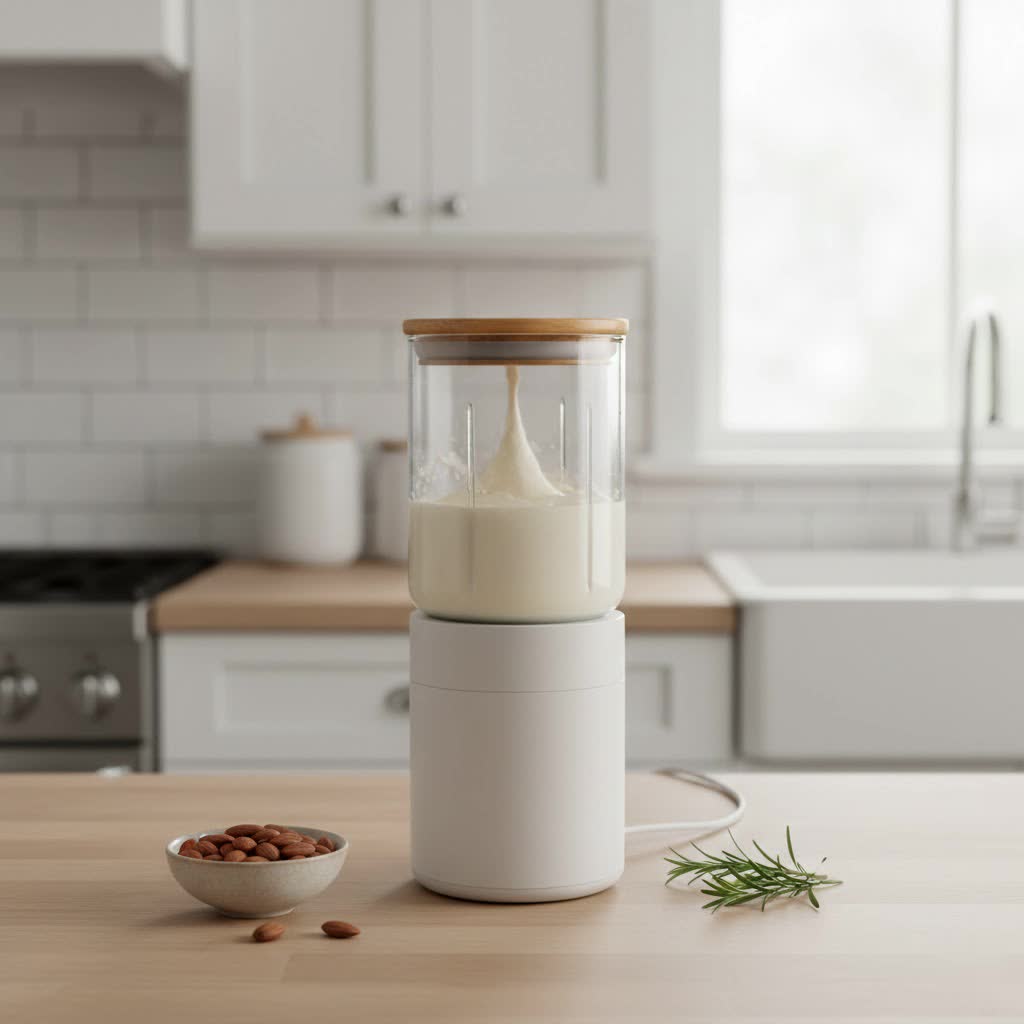
In the world of plant-based eating, homemade nut milk has become a staple for many. But what happens to the fibrous remnants left behind in your nut milk bag? Often, this “nut pulp” (or “okara” for soybean pulp) is simply discarded, a missed opportunity for both culinary creativity and enhanced nutrition. Far from being mere waste, this versatile byproduct is a treasure trove of goodness, ready to be transformed into delicious baked goods that are both healthy and sustainable. Let’s unlock the secrets of this kitchen gem and discover how to elevate your baking while reducing food waste.
The Hidden Gem: What is Nut Pulp (Okara)?
Nut pulp is the insoluble fiber and protein-rich material that remains after nuts or soybeans have been blended with water and strained to produce plant-based milk. For almonds, it’s almond pulp; for soybeans, it’s known as okara. This fibrous residue is often overlooked, ending up in compost bins or landfills. However, with a little know-how, this humble byproduct can become a star ingredient in your kitchen, adding texture, nutrients, and unique flavor notes to a wide array of recipes.
Nutritional Powerhouse: Why Bake with Nut Pulp?
Integrating nut pulp into your baking offers a multitude of health and environmental benefits. Nutritionally, nut pulp is a dense source of dietary fiber and plant-based protein, crucial for digestive health and satiety. Beyond these macronutrients, it’s also packed with essential vitamins and minerals, including calcium, iron, B vitamins, magnesium, omega-3 fatty acids, vitamin K, and potassium.
For those managing specific dietary needs, nut pulp is often naturally gluten-free, making it an excellent addition to gluten-free baking. Its high fiber content contributes to regulating blood sugar levels and promoting a healthy gut microbiome, while certain pulps, like okara, possess anti-inflammatory properties and can support heart health. By repurposing this leftover material, you actively participate in reducing food waste, a significant step towards more sustainable culinary practices. It’s a win-win: you enrich your diet and contribute to a healthier planet.
Preparing Your Nut Pulp for Baking Success
The state of your nut pulp is crucial for successful baking. Fresh pulp, still moist from milk extraction, has a short shelf life, typically lasting only 2-3 days in the refrigerator. To extend its usability, freezing is an excellent option, allowing storage for up to six months.
For maximum versatility, especially in baking that requires a flour-like consistency, drying your nut pulp is highly recommended. Spread the fresh pulp evenly on a parchment-lined baking sheet and bake it in a low-temperature oven (around 150°C / 300°F) for 30-60 minutes, stirring occasionally, until it’s completely dry and crumbly. Alternatively, you can use a food dehydrator or even air dry it over 1-2 days. Once thoroughly dried, the pulp can be ground into a fine “flour” using a food processor or blender. Be careful not to over-process, as it can turn into a nut butter if blended for too long.
When using fresh, moist pulp in recipes, remember to adjust the liquid content of your batter or dough accordingly to prevent it from becoming too wet. Dried nut pulp, on the other hand, can often be substituted for a portion of regular flour, adding fiber and a unique texture.
Delicious Baked Goods: Recipes to Try with Nut Pulp
Nut pulp’s subtle flavor and fibrous texture make it an incredibly versatile ingredient for a range of baked goods.
- Muffins and Quick Breads: Incorporating moist nut pulp into your muffin or banana bread batter adds a tender crumb and a significant fiber boost. It naturally enhances moisture, making for delightfully soft results.
- Cookies and Bars: For a chewy texture and added nutrition, nut pulp shines in cookies and energy bars. Think almond pulp chocolate chip bars or wholesome breakfast bars, where the pulp helps bind ingredients and provides a satisfying bite. No-bake energy bites are also a fantastic option, blending pulp with dates, nuts, and other healthy ingredients.
- Granola and Crisps: When dried, nut pulp becomes wonderfully crunchy, making it an ideal component for homemade granola. Mix it with oats, seeds, sweeteners, and spices, then bake until golden for a delicious, fiber-rich breakfast or snack. It can also be used as a topping for fruit crumbles and crisps, adding a delightful crunch.
- Crackers and Savory Bakes: Nut pulp can be transformed into crisp, savory crackers. Combine it with herbs, spices, a touch of oil, roll it thin, and bake for a gluten-free snack that pairs perfectly with dips. It can also be incorporated into savory quick breads or even as a base for veggie burgers.
- Pie Crusts and Crumbles: The fine, crumbly nature of dried nut pulp makes it an excellent candidate for healthy pie crusts or crumble toppings. It offers a unique texture and nutty flavor, enhancing the overall profile of your desserts.
Beyond Baking: Other Creative Uses for Nut Pulp
While baking offers numerous avenues for nut pulp, its utility extends further, providing even more ways to embrace a zero-waste kitchen:
- Veggie Burgers and Patties: Mix nut pulp with vegetables, spices, and binders to create hearty, plant-based burgers or meatballs. Its texture lends itself well to forming cohesive patties.
- Smoothies and Oatmeal: A few tablespoons of fresh nut pulp can easily be blended into smoothies for an extra dose of fiber and healthy fats, or stirred into your morning oatmeal to enhance its texture and nutritional profile.
- Soups and Stews: Nut pulp can act as a natural thickening agent for soups and stews, adding body and a subtle creamy texture without heavy creams or starches.
- Homemade Breadcrumbs: Dried and finely ground nut pulp makes an excellent gluten-free alternative to traditional breadcrumbs, perfect for coating proteins or topping casseroles.
- Raw Desserts: Beyond baked goods, nut pulp is fantastic in raw dessert bases, like those for cheesecakes or bliss balls, providing structure and nutritional value.
Tips for Mastering Nut Pulp Baking
Working with nut pulp is forgiving, but a few tips can help you achieve the best results:
- Start Small: If you’re new to baking with pulp, begin by replacing a small portion of your recipe’s flour (e.g., 1/4 to 1/2 cup) with dried nut pulp, or adding a few tablespoons of fresh pulp for moisture.
- Consider the Nut: Different nut pulps have distinct flavor profiles. Almond pulp is mild and versatile, while cashew pulp can add richness. Okara has a very neutral taste. Choose a pulp that complements your recipe’s flavors.
- Moisture Management: Fresh pulp adds significant moisture. Be prepared to reduce other liquids in your recipe or add a little extra dry ingredient if your batter seems too wet. Dried pulp, conversely, will absorb moisture, so ensure your recipe has enough liquid.
- Texture is Key: Nut pulp adds a unique texture. Embrace it! It can contribute a delightful chewiness or a rustic crumble, depending on how it’s incorporated.
- Experiment: Don’t be afraid to get creative. The beauty of nut pulp is its adaptability. Try it in your favorite recipes and adjust to your taste.
Frequently Asked Questions About Nut Pulp Baking
Can I use any type of nut pulp for baking?
|
Our Picks for the Best Nut milk maker in 2026
As an Amazon Associate I earn from qualifying purchases.
|
||
| Num | Product | Action |
|---|---|---|
| 1 | KIDISLE 32oz Automatic Soy Machine for Homemade Almond, Oat, Coconut, Soy, Plant Based Milks and Non Dairy Beverages with Delay Start/Keep Warm/Self-Cleaning/Boil Water, Black |

|
| 2 | EanOruus Juicer Machines, 3-in-1 Cold Press Juicer with 6.5" Extra Large Chute, 100oz Large Capacity, AC Motor, Makes Juice, Nut Milk & Sorbet, Premium Gray |
|
| 3 | 35oz Nut Milk Maker, Compact Soy Milk Maker with 12 Blades, Automatic Almond Oat Milk Machine, Hot & Cold Functions,12H Timer, Auto Clean, Keep Warm, White Batch Plant-Based Milk Maker |
|
| 4 | ChefWave Milkmade Soy Milk Maker – 6-in-1 Plant-Based Milk Machine for Almond, Oat, Soy, Cashew, Coconut & Macadamia – No Soaking, Auto-Clean, Delay Start, Glass Pitcher – White |
|
| 5 | Nut Milk Maker, AlfaBot N2 Automatic Almond Milk Machine for Homemade Plant-Based Milk, Oat, Soy, Yogurt, 5 Modes/35OZ Big Capacity Soy Milk Maker with Delay Setting and Self Cleaning (Cream) |
|
| 6 | Automatic Nut Milk Maker, 35 oz(1000ml) Homemade Almond, Oat, Soy, Plant-Based Milk and Dairy Free Beverages, Almond Milk Maker with Delay Start/Keep Warm/Boil Water, Soy Milk Maker with Nut Milk Bag |
|
| 7 | 8-IN-1 IAGREEA Nut Milk Maker Machine, 35 oz Soy Milk Maker, Oat, Soy, Plant Based and Dairy Free Beverages, Juice, 2H Keep Warm Countertop Blender, 10 Blades, 12H Delay Start, BPA-Free, Self-Cleaning |
|
| 8 | Nut Milk Maker, 40 Oz 8 in 1 Homemade Automatic Plant-Based Milk, Soy Milk, Oat Milk, Almond Milk & More Multifunctional/12 Hours Timer/Auto-Clean/Room Temp/Keep Warm/Boil/Room Temp/Low-Noise |
|
| 9 | 50.73oz Nut Milk Maker Machine: 12-in-1 Automatic Soy Milk Maker with Detachable Design, Homemade Juice,Almond,Oat Milks for Plant-Based Milks, 24H Delay Start/Keep Warm/Auto-Clean/Safety Lock |
|
| 10 | 8-in-1 Automatic Nut Milk Maker Blender, 40.6oz Homemade Almond, Oat, Coconut, Soy, Plant-Based & Non-Dairy Milks, Soybean Machine with Delay Start, Keep Warm, Self-Cleaning & Boil Water Functions |
|
Yes, most types of nut and seed pulp—including almond, cashew, pecan, oat, and even soybean (okara)—can be used in baking. Each type will impart a slightly different flavor and texture, so experiment to find your favorites.
How do I store nut pulp for longer periods?
Fresh nut pulp can be refrigerated for 2-3 days or frozen for up to 6 months. For longer storage and more versatile use, dry the pulp in a low oven or dehydrator and then grind it into a flour, which can be stored in an airtight container.
Will baking with nut pulp change the taste of my recipes?
Nut pulp generally has a mild flavor, with almond pulp being particularly neutral. While it may add a subtle nutty undertone, it typically doesn’t overpower other flavors. Okara (soybean pulp) is known for being very bland, making it highly adaptable.
Is nut pulp a good substitute for regular flour?
Nut pulp, especially when dried and ground, can be used as a partial substitute for regular flour. However, due to its high fiber and lack of gluten, it’s often best used in combination with other flours to achieve the desired structure and texture in baked goods.
What are the main nutritional benefits of adding nut pulp to baked goods?
Adding nut pulp significantly boosts the fiber and protein content of baked goods. It also contributes essential vitamins and minerals like calcium, iron, and B vitamins, making your treats more nutrient-dense and contributing to better digestive and overall health.
Conclusion
The journey from making homemade nut milk to baking with the leftover pulp is a rewarding one, transforming what might have been waste into delicious, nutrient-rich creations. By embracing nut pulp (or okara), you not only enrich your diet with fiber, protein, and essential minerals but also take a meaningful step towards a more sustainable kitchen. So next time you strain your homemade nut milk, remember the hidden potential in that fibrous residue. Don’t discard it; instead, let it inspire your next baking adventure. What delicious creation will you whip up with your leftover nut pulp?