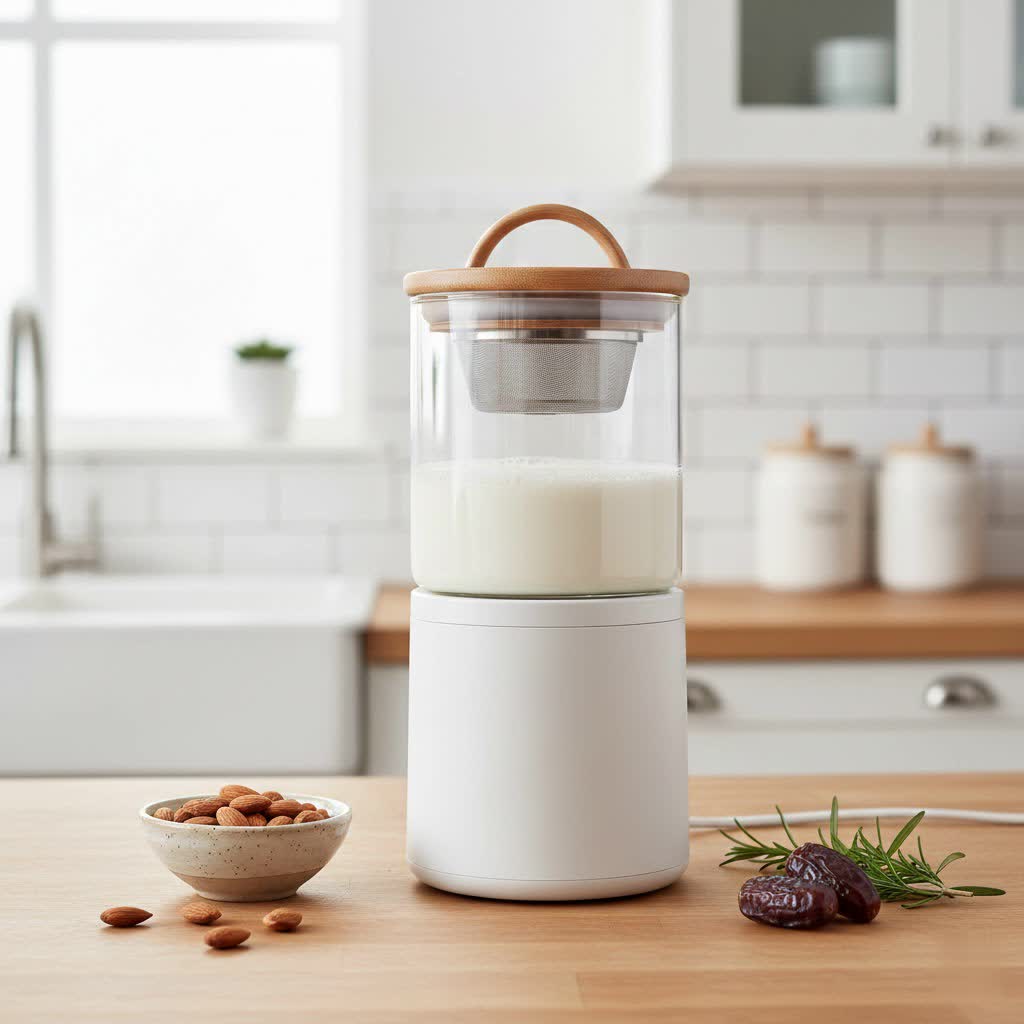
Stepping into the world of homemade plant-based milk can transform your daily routine, offering a fresh, additive-free alternative to store-bought cartons. If you’ve ever dreamt of perfectly creamy oat milk for your morning latte or rich, smooth soy milk for cooking, the right nut milk maker can turn that dream into a delicious reality. This comprehensive guide will navigate the best machines on the market, helping you choose a nut milk maker that perfectly aligns with your lifestyle and taste preferences, ensuring you consistently enjoy the freshest, most flavorful plant-based milks.
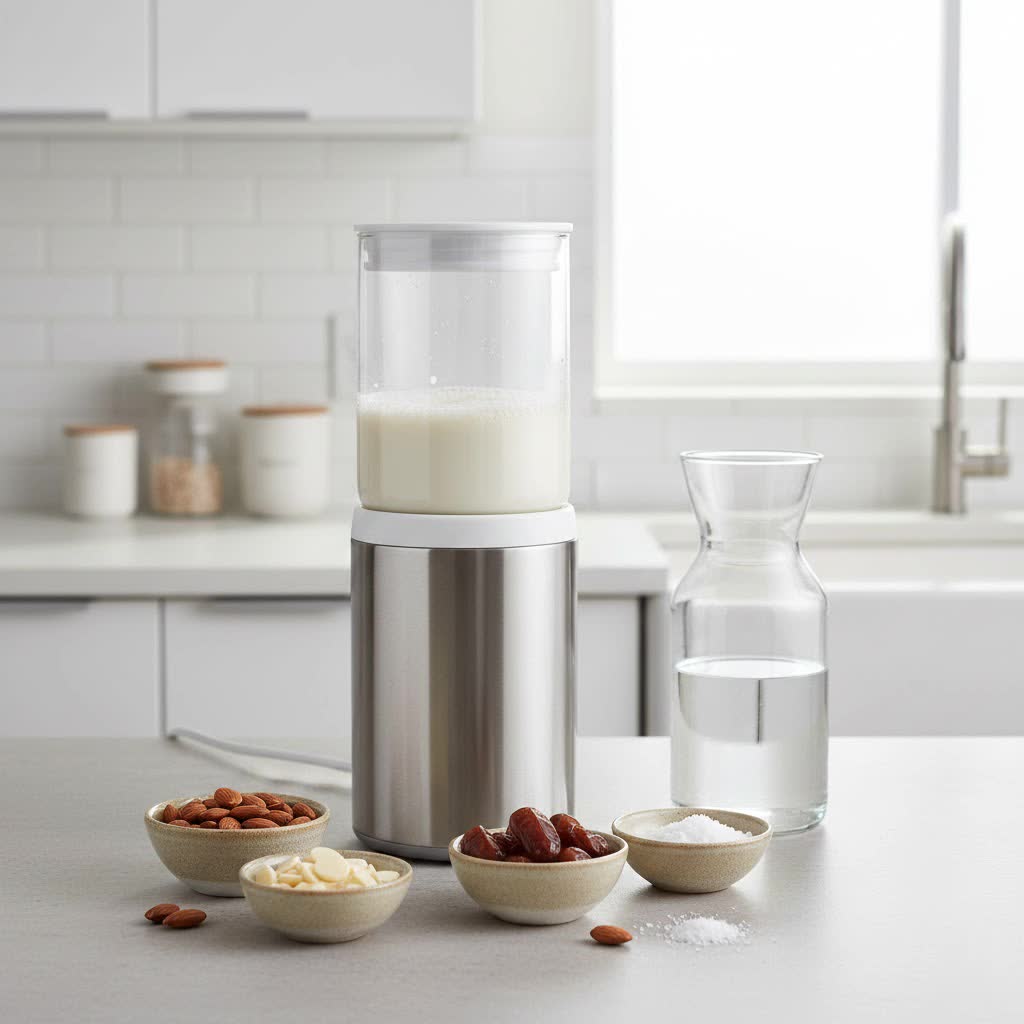
The Rise of Plant-Based Milks and Their Unbeatable Benefits
The surging popularity of plant-based milks isn’t just a trend; it’s a lifestyle shift driven by health consciousness, ethical considerations, and a desire for natural ingredients. Millions are opting for dairy-free alternatives due to lactose intolerance, dietary choices, or simply to explore new flavors and nutritional profiles. Homemade plant-based milks offer a distinct advantage over their store-bought counterparts, often laden with thickeners, stabilizers, and added sugars.
Making your own oat or soy milk at home ensures you control every ingredient, eliminating unwanted additives and preservatives. This translates to a purer, fresher taste and maximized nutritional value. Oat milk, for instance, is naturally sweet and rich in fiber, which can aid digestion and help maintain stable blood sugar levels. Soy milk is a complete protein, offering all nine essential amino acids, making it an excellent choice for muscle health and satiety. Beyond personal health, choosing a nut milk maker is also a sustainable choice, significantly reducing the waste from single-use cartons and plastic packaging. It’s a cost-effective solution in the long run, turning humble oats and soybeans into a delicious and nutritious staple.
Decoding the Types of Nut Milk Makers
The market offers a diverse range of nut milk makers, each designed with different functionalities and user experiences in mind. Understanding these types will help you narrow down your options:
- Dedicated Nut Milk Makers: These appliances are specifically engineered for making plant-based milks. They often feature integrated blending and straining mechanisms, and many include heating elements to cook grains like oats or soybeans, or to warm your finished milk. They prioritize ease of use and consistent milk quality. Examples include the Nutr and Almond Cow.
- Multi-functional Blenders/Juicers with Milk-Making Capabilities: Some high-powered blenders or cold-press juicers can also effectively make nut and oat milks. While versatile for a range of kitchen tasks, their primary design isn’t solely for milk production, meaning the process might involve more steps like additional straining. The Nama J2, for instance, is a juicer that also makes excellent plant milks.
- Simple Strainers (Manual): These are budget-friendly tools that require you to use a separate blender for grinding ingredients. They typically consist of a carafe and a fine mesh strainer, offering a more hands-on approach. While effective, they lack the automation and heating functions of dedicated machines.
For those seeking convenience and superior results, dedicated nut milk makers and multi-functional machines that excel in milk production are often the preferred choice.
Top 5 Nut Milk Makers for Creamy Oat and Soy Milk
Choosing the best nut milk maker hinges on what you prioritize: speed, capacity, versatility, or specific milk types. Here are five top contenders renowned for their ability to produce creamy oat and soy milks.
1. Nutr – The Compact Powerhouse
The Nutr machine is celebrated for its sleek design and ability to produce smooth, creamy plant-based milks across a range of ingredients, including oats and soybeans. It’s particularly suited for individuals or small households due to its single-serve capacity.
- Best For: Individuals, small spaces, variety of milks (almond, oat, soy, cashew).
- Key Features: Compact size (4.3 x 4.3 x 8.2 inches), three blend settings (room temperature, warm, hot), self-cleaning function, portable.
- Performance with Oat & Soy Milk: Reviewers consistently praise its ability to create super-smooth and silky oat and soy milk. The fine mesh filter effectively minimizes grittiness, and its heating function is ideal for cooked milks like soy.
|
Our Picks for the Best Nut milk maker in 2026
As an Amazon Associate I earn from qualifying purchases.
|
||
| Num | Product | Action |
|---|---|---|
| 1 | Automatic Nut Milk Maker, 35 oz(1000ml) Homemade Almond, Oat, Soy, Plant-Based Milk and Dairy Free Beverages, Almond Milk Maker with Delay Start/Keep Warm/Boil Water, Soy Milk Maker with Nut Milk Bag |

|
| 2 | EanOruus Juicer Machines, 3-in-1 Cold Press Juicer with 6.5" Extra Large Chute, 100oz Large Capacity, AC Motor, Makes Juice, Nut Milk & Sorbet, Premium Gray |
|
| 3 | 8-IN-1 IAGREEA Nut Milk Maker Machine, 35 oz Soy Milk Maker, Oat, Soy, Plant Based and Dairy Free Beverages, Juice, 2H Keep Warm Countertop Blender, 10 Blades, 12H Delay Start, BPA-Free, Self-Cleaning |
|
| 4 | 35oz Nut Milk Maker, Compact Soy Milk Maker with 12 Blades, Automatic Almond Oat Milk Machine, Hot & Cold Functions,12H Timer, Auto Clean, Keep Warm, White Batch Plant-Based Milk Maker |
|
| 5 | 50.73oz Nut Milk Maker Machine: 12-in-1 Automatic Soy Milk Maker with Detachable Design, Homemade Juice,Almond,Oat Milks for Plant-Based Milks, 24H Delay Start/Keep Warm/Auto-Clean/Safety Lock |
|
| 6 | 8-in-1 Automatic Nut Milk Maker Blender, 40.6oz Homemade Almond, Oat, Coconut, Soy, Plant-Based & Non-Dairy Milks, Soybean Machine with Delay Start, Keep Warm, Self-Cleaning & Boil Water Functions |
|
| 7 | Nut Milk Maker, AlfaBot N2 Automatic Almond Milk Machine for Homemade Plant-Based Milk, Oat, Soy, Yogurt, 5 Modes/35OZ Big Capacity Soy Milk Maker with Delay Setting and Self Cleaning (Cream) |
|
| 8 | Nut Milk Maker, 40 Oz 8 in 1 Homemade Automatic Plant-Based Milk, Soy Milk, Oat Milk, Almond Milk & More Multifunctional/12 Hours Timer/Auto-Clean/Room Temp/Keep Warm/Boil/Room Temp/Low-Noise |
|
| 9 | KIDISLE 32oz Automatic Soy Machine for Homemade Almond, Oat, Coconut, Soy, Plant Based Milks and Non Dairy Beverages with Delay Start/Keep Warm/Self-Cleaning/Boil Water, Black |
|
| 10 | ChefWave Milkmade Soy Milk Maker – 6-in-1 Plant-Based Milk Machine for Almond, Oat, Soy, Cashew, Coconut & Macadamia – No Soaking, Auto-Clean, Delay Start, Glass Pitcher – White |
|
2. Almond Cow – The Large-Batch Specialist
As its name suggests, the Almond Cow excels with nuts, but it’s also a strong performer for oat milk, especially when adjusted for creaminess. It’s designed for speed and capacity, making it perfect for larger families or frequent users.
- Best For: Large households, frequent plant-based milk drinkers, speed.
- Key Features: Makes up to 6 cups in under a minute, no pre-soaking required for nuts (though some recommend for oats), stainless steel construction, easy-to-use one-button operation.
- Performance with Oat & Soy Milk: Produces quick, large batches of oat milk, though some users recommend specific creamer recipes for thicker, coffee-friendly oat milk. For soy milk, while not its primary focus, it can process ingredients efficiently, requiring pre-cooked soybeans.
3. ChefWave Milkmade – Optimized for Oat Milk
The ChefWave Milkmade is a versatile appliance with a broad menu of settings, making it an excellent choice for those who specifically prioritize exceptional oat milk. Its ability to steam while grinding helps extract maximal flavors.
- Best For: Oat milk enthusiasts, versatile functions (nut butter, smoothies), those who like hot milk.
- Key Features: 6 pre-programmed options, customizable flavors, different straining options for desired consistency, quick operation (under 15 minutes for 20 oz).
- Performance with Oat & Soy Milk: Highly rated for producing creamy oat milk. Its steaming function is beneficial for making rich, cooked soy milk from pre-soaked soybeans, ensuring smooth results without much sediment.
4. Tribest Soyabella – The Versatile Healer
The Tribest Soyabella is a long-standing favorite, particularly for those who appreciate the option of both raw and heated milks. Its versatility extends beyond just nuts and oats to include various seeds and even grinding dry ingredients.
- Best For: Heated milks, raw milks, seed milks, grinding dry ingredients, soy milk.
- Key Features: Patented helical structure, built-in safety features, can make unheated/raw or heated plant-based milks, soup/cereal functions, 44 oz capacity.
- Performance with Oat & Soy Milk: Known for handling soybeans well, allowing for heated soy milk production directly in the machine. While it can produce smooth milks, some users find running cycles a few times yields the best, silkiest results for both oat and soy.
5. Milky Plant – The Fast & Sleek Choice
The Milky Plant is a relatively new but highly acclaimed contender, offering quick plant-based milk production (under three minutes) and a sleek design that fits well in any modern kitchen.
- Best For: Speed, minimalist design, self-cleaning, general plant-based milks.
- Key Features: Produces milk in less than three minutes, self-cleaning feature, compact footprint, UK/EU/USA/Australia compatibility.
- Performance with Oat & Soy Milk: Provides quick and convenient plant-based milk, including oat and soy. Its self-cleaning function makes daily use hassle-free, contributing to consistent quality with minimal user effort.
Comparing Top Nut Milk Maker Brands
To help you visualize the differences, here’s a comparison of these top machines:
| Feature | Nutr | Almond Cow | ChefWave Milkmade | Tribest Soyabella | Milky Plant |
|---|---|---|---|---|---|
| Capacity | 1.5 cups | 6 cups | 20 fl oz | 44 oz | Approx. 4 cups |
| Speed | Fast (few minutes) | ~1 minute | ~15 minutes | Moderate (preheat) | < 3 minutes |
| Heating Func. | Yes (3 settings) | No (makes cold milk) | Yes | Yes (heated/raw) | No (makes cold milk) |
| Self-Cleaning | Yes | No (easy to clean) | No (manual wash) | No (manual wash) | Yes |
| Best For | Single-serve, variety | Large batches, almonds | Oat milk, versatility | Heated/raw, seeds, soy | Speed, sleek design |
| Price Range | $$ | $$$ | $$$ | $$ | $$$$ |
Price Key: $$ (Under $200), $$$ ($200-$400), $$$$ (Over $400)
How to Choose the Right Nut Milk Maker for You
Selecting the ideal nut milk maker involves considering your specific needs and kitchen habits.
- Identify Your Usage Needs: How often will you make milk? If daily, invest in a durable, easy-to-clean model. How much milk do you need? Single-serve machines like Nutr suit individuals, while Almond Cow is better for families.
- Consider Your Budget: Prices vary significantly. Manual strainers are cheapest, while multi-functional machines can be a significant investment. Balance cost with desired features and frequency of use.
- Evaluate Essential Features:
- Heating Function: Crucial for perfectly cooked soy milk or warm beverages.
- Self-Cleaning: A game-changer for daily users, reducing cleanup time.
- Capacity: Matches your household size.
- Versatility: Do you want it to make other items like nut butter, soups, or juices?
- Noise Level: Some machines can be loud during operation.
- Assess Counter Space: Compact models like Nutr or Milky Plant are great for smaller kitchens, while larger machines like Almond Cow require more dedicated space.
Taking these factors into account will guide you to a machine that seamlessly integrates into your healthy lifestyle.
Mastering Your Nut Milk Maker: Tips for Use and Maintenance
To get the most out of your nut milk maker and ensure its longevity, here are some essential tips:
Crafting Creamy Oat and Soy Milk
- Soaking: While some machines claim “no soaking,” pre-soaking oats for 30 minutes to an hour and soybeans overnight significantly improves creaminess and reduces sediment. For oats, avoid over-soaking, which can lead to a gummy texture.
- Ratios are Key: Experiment with the water-to-ingredient ratio. More oats or soybeans generally mean a creamier, thicker milk. Start with recommended recipes and adjust to your preference.
- Sweeteners and Flavorings: Add a pinch of salt to enhance flavor. For sweetness, use dates, maple syrup, or vanilla extract. Add these during the blending cycle for best integration.
- Straining (Optional but Recommended): Even with integrated filters, a secondary strain through a fine-mesh bag or cheesecloth can yield an exceptionally smooth, pulp-free milk, especially for oat milk.
Cleaning and Care for Longevity
- Immediate Rinse: Rinse components immediately after use to prevent pulp from drying and sticking, making cleanup much easier.
- Self-Cleaning Cycles: Utilize built-in self-cleaning functions if your machine has them. Follow the manufacturer’s instructions carefully.
- Manual Washing: For parts that require hand-washing, use a soft brush to dislodge any stuck pulp. Avoid abrasive scrubbers that can scratch surfaces.
- Air Drying: Ensure all parts are thoroughly air-dried before reassembling or storing to prevent mold and mildew.
- Descaling: If your machine has a heating element, periodic descaling with vinegar and water might be necessary to remove mineral buildup.
Troubleshooting Common Issues
- Grainy Milk: This is often due to insufficient blending or inadequate straining. Try blending for a longer cycle or double-strain.
- Separation: Homemade plant milks can separate in the fridge. This is natural; simply shake well before serving.
- Thin/Watery Milk: Increase the amount of nuts or oats in your recipe, or reduce the water content.
- Burnt Smell (Heated Models): Ensure the minimum liquid level is met and don’t overfill. Clean the heating element regularly.
By following these simple guidelines, you’ll consistently enjoy delicious homemade plant-based milks and keep your machine in top condition.
Where to Purchase Your Nut Milk Maker
Once you’ve decided on the perfect nut milk maker, knowing where to buy it is the next step.
- Online Retailers: Major online platforms like Amazon, Walmart, and Newegg offer a vast selection, often with competitive pricing and customer reviews. Brand-specific websites (e.g., Nutr.com, AlmondCow.co) are also excellent sources, sometimes offering exclusive bundles or extended warranties.
- Specialty Kitchen Stores: Stores dedicated to kitchen appliances might carry a curated selection of higher-end nut milk makers, allowing you to see the product in person and get expert advice.
- Consumer Electronics Stores: Some larger electronics retailers also stock kitchen appliances, including popular nut milk maker brands.
Tips for Buying Online:
- Check Warranties: Always verify the manufacturer’s warranty and return policy before purchasing.
- Read Customer Reviews: Pay close attention to reviews, particularly those mentioning performance with oat and soy milk, ease of cleaning, and durability.
- Authenticity: Purchase from reputable sellers or directly from the brand to ensure you receive a genuine product.
Conclusion
Embracing a nut milk maker is more than just buying another kitchen gadget; it’s an investment in your health, budget, and a more sustainable lifestyle. The ability to craft fresh, creamy oat and soy milks at home, free from unwanted additives, provides unparalleled freshness and flavor. Whether you opt for the compact efficiency of the Nutr, the large-batch capability of the Almond Cow, or the oat-milk mastery of the ChefWave Milkmade, there’s a perfect machine waiting to revolutionize your plant-based milk experience.
So, are you ready to unlock a world of delicious, homemade dairy-free possibilities?
Frequently Asked Questions
Are nut milk makers just blenders?
No, while they share some similarities with blenders, dedicated nut milk makers offer distinct advantages such as built-in straining mechanisms, optimized heating functions for cooking certain ingredients like soybeans, and quieter operation, all designed specifically for plant-based milk production.
Can I make hot oat or soy milk directly in a nut milk maker?
Many advanced nut milk makers feature heating elements, allowing you to make warm or hot oat and soy milk, and even cook soybeans for soy milk, directly in the machine. Always check the specific model’s features before purchasing.
How long does homemade nut milk last?
Homemade nut and soy milk, without preservatives, typically lasts for 3 to 5 days when stored in an airtight container in the refrigerator. Oat milk usually has a slightly shorter shelf life compared to nut milks.
Is homemade plant-based milk more nutritious than store-bought?
Homemade plant-based milks often offer superior nutritional value as they are free from thickeners, added sugars, and preservatives found in many commercial versions. You also retain more natural nutrients that might be lost in processing.
Can I use the leftover pulp from making oat and soy milk?
Absolutely! The leftover pulp is rich in fiber and nutrients. It can be repurposed in various recipes, such as baking (muffins, crackers), adding to smoothies, or even making savory dishes.
Do I need to pre-soak oats and soybeans before using a nut milk maker?
While some machines claim to eliminate soaking, pre-soaking oats for a short period (30-60 minutes) and soybeans overnight generally results in a creamier texture and more efficient extraction, enhancing the quality of your homemade milk.