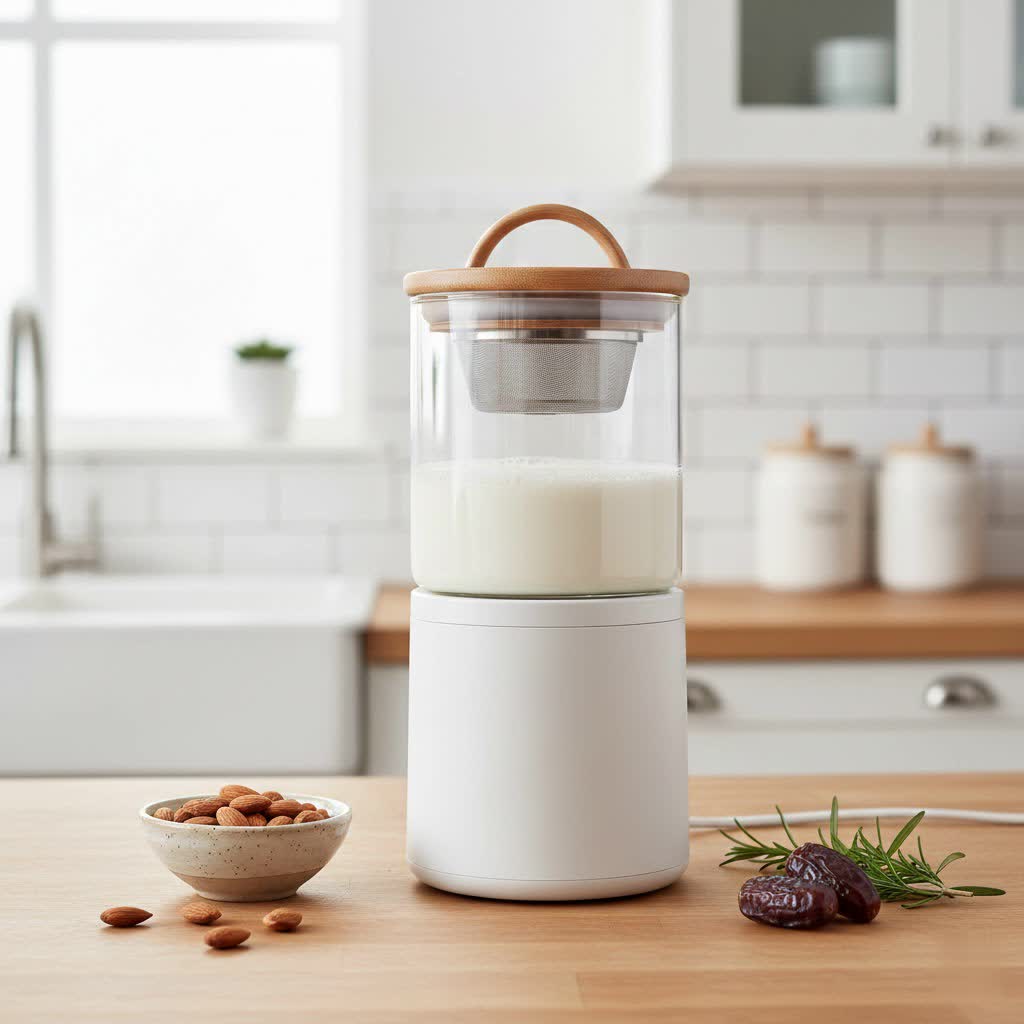
For many, homemade nut milk is a staple – a fresh, wholesome alternative to store-bought varieties, free from unwanted additives. You meticulously soak your nuts, blend them to creamy perfection, and strain for a silky smooth beverage. But have you ever considered the secret ingredient that can truly transform your homemade creation? The humble pinch of salt is far more than just a seasoning; it’s a game-changer for flavor, longevity, and even digestibility, turning your good nut milk into truly great nut milk.

Unlocking Superior Flavor: Beyond Just “Salty”
Why do store-bought nut milks often have a more rounded taste? The answer frequently lies in a dash of salt. Many people assume adding salt will simply make their nut milk salty, but its primary role is to act as a profound flavor enhancer, bringing out the best in your nuts.
A small amount of salt can dramatically enhance the natural sweetness of your nut milk while simultaneously reducing any inherent bitterness. This delicate balance of flavors is achieved through a scientific interaction with your taste buds. Salt contains sodium ions that can soften bitter notes and amplify sweeter sensations, creating a more harmonious and appealing taste profile. Furthermore, salt has the power to intensify aromatic compounds, making the subtle, nutty fragrances more discernible and enjoyable. Without this touch, homemade nut milk can sometimes taste flat or watery, lacking the depth found in its commercial counterparts. A strategic pinch of salt adds complexity and character, transforming a bland beverage into one that is both delicious and satisfying.
The Natural Preservative: Extending Shelf Life
One of the common challenges with homemade nut milk is its relatively short shelf life compared to commercially processed options. However, incorporating salt offers a simple, natural solution to this issue. Salt has been recognized for centuries as an effective natural preservative, and its properties extend to your freshly made nut milk.
By creating an environment less hospitable for microbial growth, salt actively inhibits the proliferation of bacteria and mold. This means your homemade nut milk can stay fresh and safe to consume for a longer period, typically extending its viability in the refrigerator to up to seven days. This preservation benefit is particularly advantageous for busy individuals or families who prefer to prepare larger batches of nut milk at once, reducing food waste and increasing convenience. Unlike many store-bought milks that rely on various gums and synthetic additives for preservation, salt provides a clean, natural way to maintain freshness, allowing you to enjoy pure, unadulterated nut milk for longer.
Digestive Harmony: The Role of Salt in Soaking Nuts
The benefits of salt in nut milk begin even before blending, playing a crucial role during the initial soaking process. Many nuts naturally contain compounds known as phytic acid and enzyme inhibitors. While not inherently harmful in small amounts, these “anti-nutrients” can interfere with the absorption of essential minerals and can sometimes lead to digestive discomfort in sensitive individuals.
Adding salt to the soaking water helps to neutralize these natural compounds. The saline solution assists in breaking down phytic acid and deactivating enzyme inhibitors, making the nuts more digestible and enhancing the bioavailability of their nutrients. This not only supports better digestion but also ensures you’re getting the most nutritional value from your homemade milk. Moreover, the soaking process itself, aided by salt, softens the nuts considerably. This softening makes them much easier for your blender to process, resulting in an exceptionally smooth, creamy, and lump-free nut milk—a texture often difficult to achieve without proper pre-soaking.
“A common misconception is that salt only makes food taste salty. In homemade nut milk, a small amount of salt works wonders by balancing flavors, much like it does in baking, preventing any dullness and highlighting the nuts’ inherent sweetness and richness.”
How Much Salt to Add? Finding the Perfect Balance
Finding the right amount of salt is key to unlocking its benefits without making your nut milk overtly salty. The goal is enhancement, not seasoning in the traditional sense.
For most homemade nut milk recipes, a small quantity is sufficient. A general guideline is to add approximately 1/4 to 1/2 teaspoon of salt per 4 cups of water or per cup of nuts used in your recipe. This amount is usually enough to achieve the desired flavor enhancement and preservative effects without imparting a noticeable salty taste. When it comes to the type of salt, fine sea salt or Himalayan pink salt are excellent choices. Their mineral content can subtly contribute to the overall flavor profile, and their fine texture ensures they dissolve easily. Always start with a smaller amount and taste before adding more. Remember, you can always add a little extra, but you can’t take it away once it’s in.
Adjusting the quantity based on your specific application is also important. If you plan to use your nut milk primarily in sweet dishes or coffee, you might lean towards the lower end of the recommended range. Conversely, if it’s for savory applications or you simply prefer a more pronounced flavor, a slightly higher pinch might be appropriate.
Beyond the Basics: Advanced Tips for Your Nut Milk
Once you’ve mastered the art of adding salt, you can further elevate your homemade nut milk with additional tips and techniques:
- Combine with Sweeteners: For those who prefer a sweeter milk, salt pairs beautifully with natural sweeteners like dates, maple syrup, or a touch of vanilla extract. The salt will intensify the sweetness and provide a more balanced flavor, preventing the milk from tasting overly sugary.
- Experiment with Nut Types: While the benefits apply to most nuts, different varieties may react slightly differently. Almonds and cashews, for instance, are popular choices that greatly benefit from salt during both soaking and blending.
- Proper Rinsing: After soaking your nuts with salt, always remember to rinse them thoroughly with fresh, filtered water before blending. This step is crucial to remove any loosened phytic acid and excess salt from the soaking water, ensuring a clean taste and optimal digestion.
- High-Quality Water: Just as important as the nuts and salt is the water you use. Filtered water will prevent any unwanted flavors or chemicals from impacting your milk’s taste.
Conclusion
The journey of making homemade nut milk is a rewarding one, offering unparalleled freshness and control over ingredients. The seemingly minor act of adding a pinch of salt is, in fact, a powerful technique that dramatically elevates the end product. From enhancing natural flavors and extending shelf life to promoting easier digestion by neutralizing anti-nutrients during soaking, salt proves to be an indispensable ally in your plant-based kitchen. It transforms a simple blend of nuts and water into a richer, more vibrant, and more satisfying beverage.
So, the next time you embark on making a batch of your favorite nut milk, don’t overlook this secret ingredient. A little salt goes a long way in perfecting your homemade creation. Have you tried adding salt to your homemade nut milk? What differences have you noticed in taste and freshness?
Frequently Asked Questions
Is salt always necessary when making homemade nut milk?
|
Our Picks for the Best Nut milk maker in 2026
As an Amazon Associate I earn from qualifying purchases.
|
||
| Num | Product | Action |
|---|---|---|
| 1 | KIDISLE 32oz Automatic Soy Machine for Homemade Almond, Oat, Coconut, Soy, Plant Based Milks and Non Dairy Beverages with Delay Start/Keep Warm/Self-Cleaning/Boil Water, Black |

|
| 2 | ChefWave Milkmade Soy Milk Maker – 6-in-1 Plant-Based Milk Machine for Almond, Oat, Soy, Cashew, Coconut & Macadamia – No Soaking, Auto-Clean, Delay Start, Glass Pitcher – White |
|
| 3 | Nut Milk Maker, 40 Oz 8 in 1 Homemade Automatic Plant-Based Milk, Soy Milk, Oat Milk, Almond Milk & More Multifunctional/12 Hours Timer/Auto-Clean/Room Temp/Keep Warm/Boil/Room Temp/Low-Noise |
|
| 4 | 35oz Nut Milk Maker, Compact Soy Milk Maker with 12 Blades, Automatic Almond Oat Milk Machine, Hot & Cold Functions,12H Timer, Auto Clean, Keep Warm, White Batch Plant-Based Milk Maker |
|
| 5 | Automatic Nut Milk Maker, 35 oz(1000ml) Homemade Almond, Oat, Soy, Plant-Based Milk and Dairy Free Beverages, Almond Milk Maker with Delay Start/Keep Warm/Boil Water, Soy Milk Maker with Nut Milk Bag |
|
| 6 | 8-in-1 Automatic Nut Milk Maker Blender, 40.6oz Homemade Almond, Oat, Coconut, Soy, Plant-Based & Non-Dairy Milks, Soybean Machine with Delay Start, Keep Warm, Self-Cleaning & Boil Water Functions |
|
| 7 | 8-IN-1 IAGREEA Nut Milk Maker Machine, 35 oz Soy Milk Maker, Oat, Soy, Plant Based and Dairy Free Beverages, Juice, 2H Keep Warm Countertop Blender, 10 Blades, 12H Delay Start, BPA-Free, Self-Cleaning |
|
| 8 | Nut Milk Maker, AlfaBot N2 Automatic Almond Milk Machine for Homemade Plant-Based Milk, Oat, Soy, Yogurt, 5 Modes/35OZ Big Capacity Soy Milk Maker with Delay Setting and Self Cleaning (Cream) |
|
| 9 | 50.73oz Nut Milk Maker Machine: 12-in-1 Automatic Soy Milk Maker with Detachable Design, Homemade Juice,Almond,Oat Milks for Plant-Based Milks, 24H Delay Start/Keep Warm/Auto-Clean/Safety Lock |
|
| 10 | EanOruus Juicer Machines, 3-in-1 Cold Press Juicer with 6.5" Extra Large Chute, 100oz Large Capacity, AC Motor, Makes Juice, Nut Milk & Sorbet, Premium Gray |
|
While not strictly “necessary” for the milk to form, adding salt is highly recommended for enhancing flavor, acting as a natural preservative, and aiding in the digestion of nuts, leading to a superior final product.
What kind of salt is best for homemade nut milk?
Fine sea salt or Himalayan pink salt are generally recommended. Their subtle mineral profiles can complement the nuts, and their fine texture helps them dissolve easily and integrate smoothly into the milk.
Can I add too much salt to my homemade nut milk?
Yes, absolutely. Too much salt can overpower the natural flavors of the nuts and result in an unpleasantly salty taste. It’s best to start with a small pinch (around 1/4 teaspoon per 4 cups of water) and adjust to your preference.
Does adding salt affect the nutritional value of homemade nut milk?
Adding a small amount of salt for flavor and preservation does not significantly alter the primary nutritional value of the nut milk. When used in soaking, it can actually improve the bioavailability of nutrients by reducing anti-nutrients.